Early Signs and Detection of Melanoma for Skin Health
How to Spot Melanoma Before it Spreads
Melanoma is a type of skin cancer that develops when the pigment-producing cells (melanocytes) mutate and grow uncontrollably. In recent years, the rate of diagnosed cases has significantly increased, emphasizing the importance of early detection. In fact, according to the American Academy of Dermatology, nearly one in five Americans will develop skin cancer in their lifetime. Recognizing the early signs of melanoma on the skin can be life-saving. In this article, we will delve into the ABCDE rule for melanoma detection, explore the differences between benign moles and malignant melanomas, and discuss when it is crucial to seek the advice of a dermatologist.
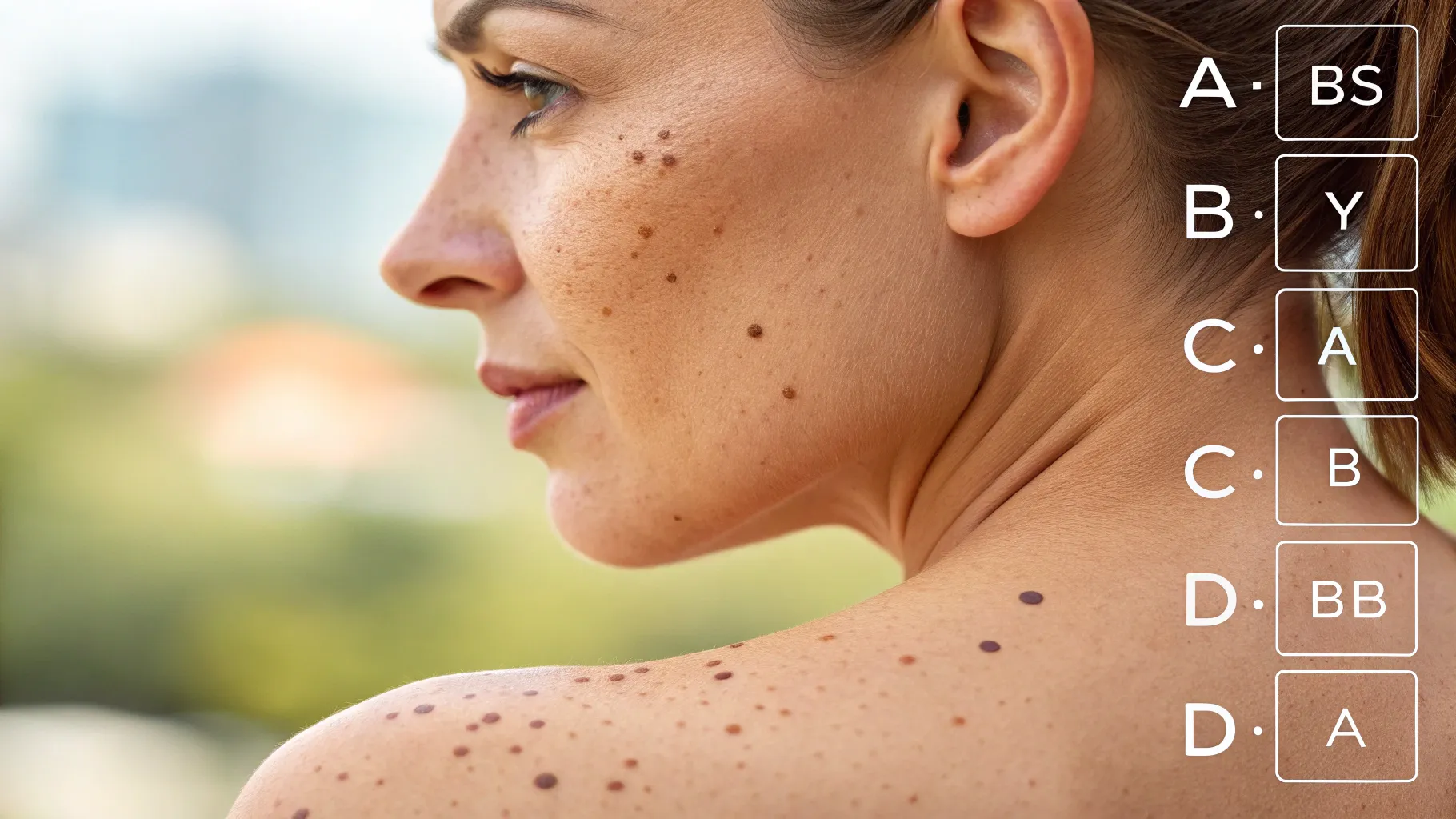
Early Signs of Melanoma on Skin
Identifying melanoma early is key to increasing the chance of successful treatment. The most effective way to recognize melanoma is to closely monitor any changes in your skin. The ABCDE rule is a simple and effective guideline for doing just that:
- A - Asymmetry: One half of a mole or skin lesion does not match the other.
- B - Border: The edges are irregular, ragged, notched, or blurred.
- C - Color: There is not uniformity in color – multiple shades of brown, black, or tan can be observed. Additionally, areas of red, white, or blue may be noted.
- D - Diameter: Melanomas are usually larger than 6mm, about the size of a pencil eraser, although they can be smaller.
- E - Evolving: Any change in size, shape, or color over time should be taken seriously.
By using the ABCDE rule, people can conduct regular self-exams to detect unusual mole changes early.
Distinguishing Between Mole and Melanoma
Before we dive deeper into melanoma symptoms, it's essential to understand the differentiation between a mole and melanoma. Moles are usually harmless skin growths that are typically even in color and round or oval in shape. In contrast, melanomas may display uneven borders, an array of colors, and a tendency to bleed or crust over. The pivotal factor is that moles typically do not change rapidly, while melanomas can evolve significantly over a matter of weeks or months.
Additionally, individuals need to be aware of melanoma symptoms on the scalp. The scalp is often overlooked during self-examinations, leading to late detections. Watch for any new spots, particularly if they are dark or have changed over time. Hair can sometimes mask these changes, hence the need for thorough checks.
Melanoma Under Fingernails and Toenails
Interestingly, melanoma can also appear under fingernails and toenails, known as subungual melanoma. These types of melanomas often present as dark streaks beneath the nails and can be mistakenly attributed to bruising or fungal infections. Anyone noticing unusual changes in the color or texture of their nails, especially if there is a change from the typical appearance, should consult a dermatologist without delay.
Self-Exams for Skin Cancer Detection
Conducting regular self-exams is vital for all adults. It is recommended to perform a skin check every month. To carry out a thorough examination, follow these steps:
- Begin by looking at your body in the mirror, checking your front, back, and both sides.
- Check your arms, including the upper and lower parts.
- Inspect the backs of your legs and the soles of your feet.
- Don’t forget to look between your toes and under your nails.
- Use a handheld mirror to examine your scalp and neck.
- Record any changes or concerns for future reference.
Melanoma Risk Factors and Genetics
Certain risk factors increase the likelihood of developing melanoma. These factors include:
- Having a fair skin tone, light hair, and light eye color.
- A personal or family history of skin cancer.
- Excessive sun exposure, particularly during childhood.
- Sunburns that occur frequently.
- Locations with high UV radiation.
Genetics plays a significant role, as individuals with a family history of melanoma are at a higher risk. Recent studies have identified over 30 genes associated with an increased risk of melanoma, proving that genetics is intertwined with environmental factors. Understanding your background can help you assess your risk and encourage preventive measures.
When to See a Dermatologist for Suspicious Moles
It is essential to visit a dermatologist and have skin checks if you notice any of the following:
- A mole that exhibits the ABCDE characteristics.
- New moles appearing after the age of 30.
- A mole that itches, bleeds, or doesn’t heal.
- A change in a mole’s color or shape.
Regular dermatologist visits should also be a part of your health routine, especially if you have risk factors for skin cancer. Screening by a professional is invaluable in catching signs of melanoma that could easily go unnoticed.
Being proactive about your skin health can lead to early detection and treatment of melanoma. Remember, early identification plays a significant role in survival rates. In fact, when detected early, the five-year survival rate for melanoma can exceed 98%. As of 2025, continuing awareness and education on melanoma detection are pivotal in saving lives.
Authored by FreshLifeWire team