Recognizing Early Parkinson's Warning Markers & Hand Tremors
Facts:
- Parkinson's disease affects nearly one million people in the United States.
- Non-motor symptoms like loss of smell can precede motor issues by years.
Decoding the Subtle Onset: Key Early Parkinson's Warning Markers
Parkinson's disease is a progressive neurodegenerative disorder that primarily affects dopamine-producing neurons in a specific area of the brain called the substantia nigra. The resulting dopamine deficiency leads to the characteristic motor symptoms. However, recognizing the disease early can be challenging as the initial signs are often subtle and easily dismissed as normal aging. Understanding these early indicators is crucial for timely diagnosis and management, which can significantly improve quality of life. Many people first become concerned when they notice changes that could be interpreted as the first warning signs of neurological decline in older adults, prompting them to seek medical advice. It is this early awareness that can make a substantial difference in managing the condition's progression and exploring treatment options before symptoms become more severe.
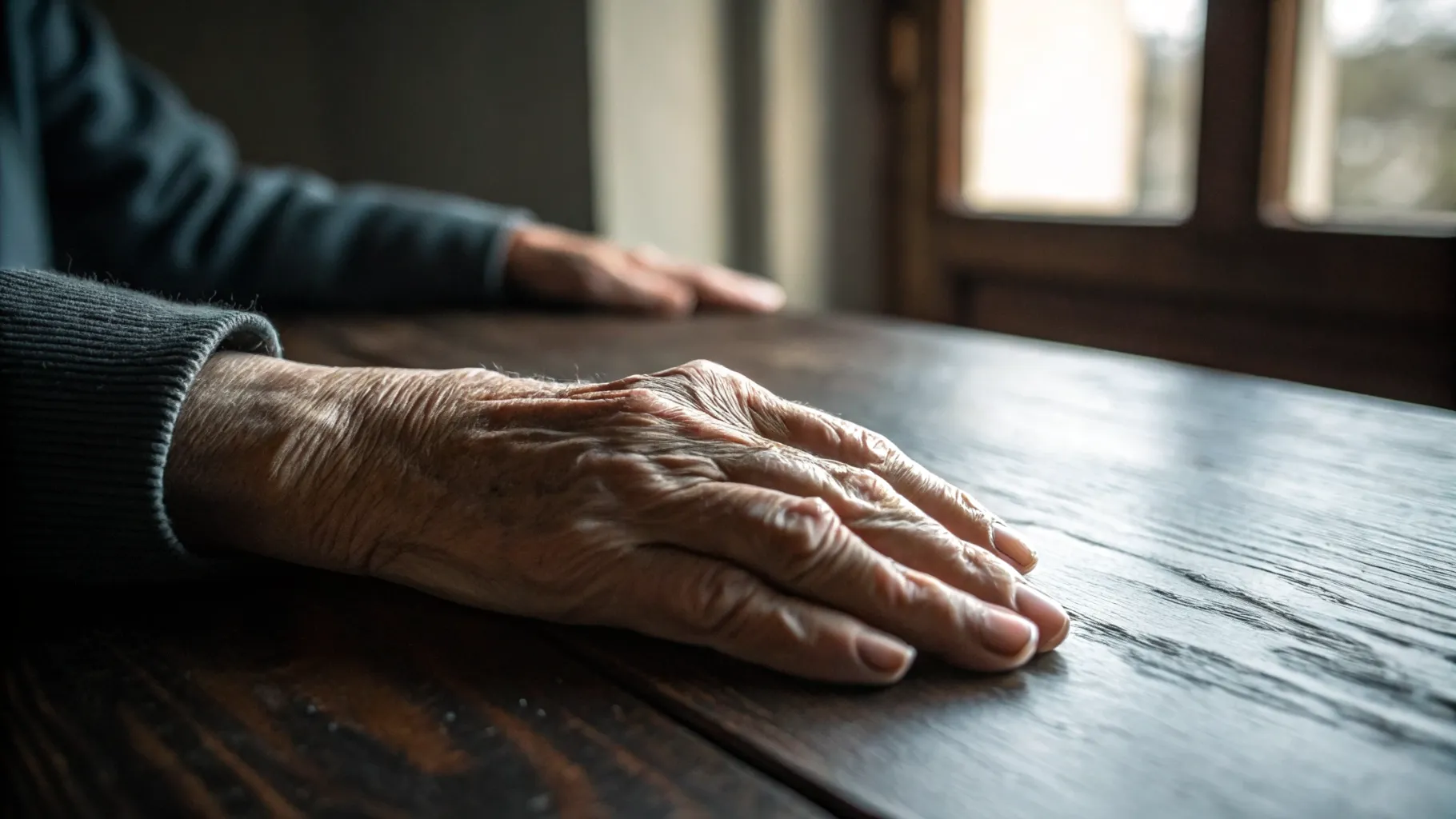
The Motor Symptoms Spectrum: More Than Just Tremors
While tremor is the most recognized sign, a comprehensive list of 10 early motor symptoms to watch for in parkinsons provides a clearer picture. These include not just tremors, but also bradykinesia (slowness of movement), limb rigidity, and postural instability. Bradykinesia can manifest as a decreased ability to perform routine tasks, such as buttoning a shirt or writing, making handwriting (micrographia) noticeably smaller and more cramped. Limb rigidity involves stiffness in the arms, legs, or trunk, which can cause discomfort and limit the range of motion. Another crucial sign involves changes in automatic movements, like a reduced arm swing on one side while walking or decreased blinking. These symptoms often start on one side of the body (unilateral onset) and may remain more pronounced on that side as the disease progresses. Observing these varied signs is key to a holistic understanding beyond just the shaking.
Focus on the Hands: How to Recognize Early Stage Parkinson's Hand Tremors
One of the most specific indicators is the nature of the tremor itself. Learning how to recognize early stage parkinsons hand tremors involves observing its characteristics. The classic Parkinsonian tremor is a 'resting tremor,' meaning it is most prominent when the hand is at rest, for example, when resting on a lap. It often lessens or disappears with voluntary movement, such as reaching for an object. The tremor typically starts in one hand or even just a single finger and has a characteristic 'pill-rolling' quality—a rhythmic, circular motion of the thumb and forefinger. Differentiating this from other types of tremors, like an essential tremor which worsens with action, is a critical diagnostic step. This specific type of tremor is one of the most significant first warning signs of neurological decline in older adults associated with Parkinson's disease.
Changes in Movement: Gait and Balance Issues Timeline
The progression of movement difficulties is a core aspect of the disease. The gait changes and balance issues parkinsons timeline often begins subtly. Early on, an individual might notice they are not swinging one arm as freely as the other when walking. As the condition advances, steps may become shorter and shuffling (a gait pattern known as 'festination'). Turning may become difficult, requiring multiple small steps instead of a smooth pivot. Postural instability, or impaired balance, tends to appear later in the timeline but can lead to an increased risk of falls. People may develop a stooped posture, with the head and shoulders bent forward. This combination of shuffling steps, reduced arm swing, and postural changes are hallmark signs that neurologists assess when evaluating the progression of the disease and are considered among the most impactful of the 10 early motor symptoms to watch for in parkinsons.
Understanding Stiffness and When to Seek Help
Muscle rigidity is another primary motor symptom. It's more than just the typical stiffness associated with arthritis or age. This rigidity, caused by an inability of the muscles to relax, can affect any part of the body but is common in the limbs and neck. It can be painful and reduce the range of motion, leading to a 'frozen' feeling. Many people wonder when to see a doctor for minor muscle stiffness. The key is to pay attention to stiffness that is persistent, doesn't resolve with stretching, is accompanied by other signs like slowness, or affects one side of the body more than the other. This symptom, combined with others, should prompt a consultation with a healthcare professional to rule out or diagnose a neurological condition. It's a critical component among the 10 early motor symptoms to watch for in parkinsons.
Beyond Motor Control: Non-Motor First Warning Signs
It's crucial to understand that Parkinson's is not just a motor disorder. Many non-motor symptoms can appear years before the classic motor signs and are powerful first warning signs of neurological decline in older adults. These can include hyposmia (a reduced sense of smell), constipation, REM sleep behavior disorder (acting out dreams), and mood changes like depression or anxiety. While these symptoms are non-specific and can be caused by many conditions, their presence in combination, especially with subtle motor changes, can be a significant clue for an underlying neurodegenerative process. Acknowledging these non-motor symptoms is vital for a comprehensive and early diagnosis.
Actionable Advice: When to Consult a Neurologist
Deciding when to see a doctor for minor muscle stiffness or a slight tremor can be daunting. The best approach is proactive observation and professional consultation. Here are some actionable steps:
- Document Your Symptoms: Keep a detailed log of what you are experiencing, how often it occurs, and what makes it better or worse. This is invaluable information for a doctor. Note any of the 10 early motor symptoms to watch for in parkinsons you observe.
- Observe Both Sides: Pay close attention to whether symptoms are affecting one side of your body more than the other, as unilateral onset is a classic feature of early Parkinson's.
- Consider the Full Picture: Don't just focus on one symptom. Note any changes in your handwriting, sleep patterns, sense of smell, or mood, as these can be important non-motor signs.
- Seek a Specialist: If your primary care doctor suspects a neurological issue, they will likely refer you to a neurologist, specifically a movement disorder specialist, for a definitive diagnosis and management plan. Early intervention is key.
Frequently Asked Questions
What is the difference between an essential tremor and how to recognize early stage parkinsons hand tremors?
An essential tremor typically occurs when your hands are in use (an action tremor), such as when writing or drinking from a glass. In contrast, the classic Parkinsonian tremor is a 'resting tremor,' most noticeable when the hand is completely at rest and often diminishing with purposeful movement. The Parkinson's tremor also tends to start on one side of the body.
At what point in the gait changes and balance issues parkinsons timeline do falls become a major concern?
While subtle gait changes can be an early sign, significant balance problems and falls typically become a more prominent concern in the middle stages of Parkinson's disease. In the early stages, balance is often relatively preserved. The progression varies greatly between individuals, but as postural reflexes decline over time, the risk of falling increases, necessitating physical therapy and safety modifications.
Is there a definitive test for Parkinson's disease?
Currently, there is no single blood test or brain scan that can definitively diagnose Parkinson's disease. Diagnosis is based on a person's medical history, a review of their signs and symptoms, and a neurological and physical examination. A neurologist may also look for a positive response to levodopa, a Parkinson's medication, to help confirm the diagnosis.
References
- National Institute of Neurological Disorders and Stroke
- Parkinson's Foundation
- The Michael J. Fox Foundation for Parkinson's Research
- American Academy of Neurology
Authored by FreshLifeWire team