Early Enamel Damage Signs You Should Not Ignore
Understanding Early Enamel Damage Signs You Shouldn't Ignore
Tooth enamel, the body’s hardest substance, surprisingly faces vulnerabilities that can lead to significant damage over time. Current studies show that enamel erosion is a rising concern among individuals across all age groups. This condition, primarily driven by acid wear, can result in irreversible enamel thinning, making early detection essential for maintaining oral health.
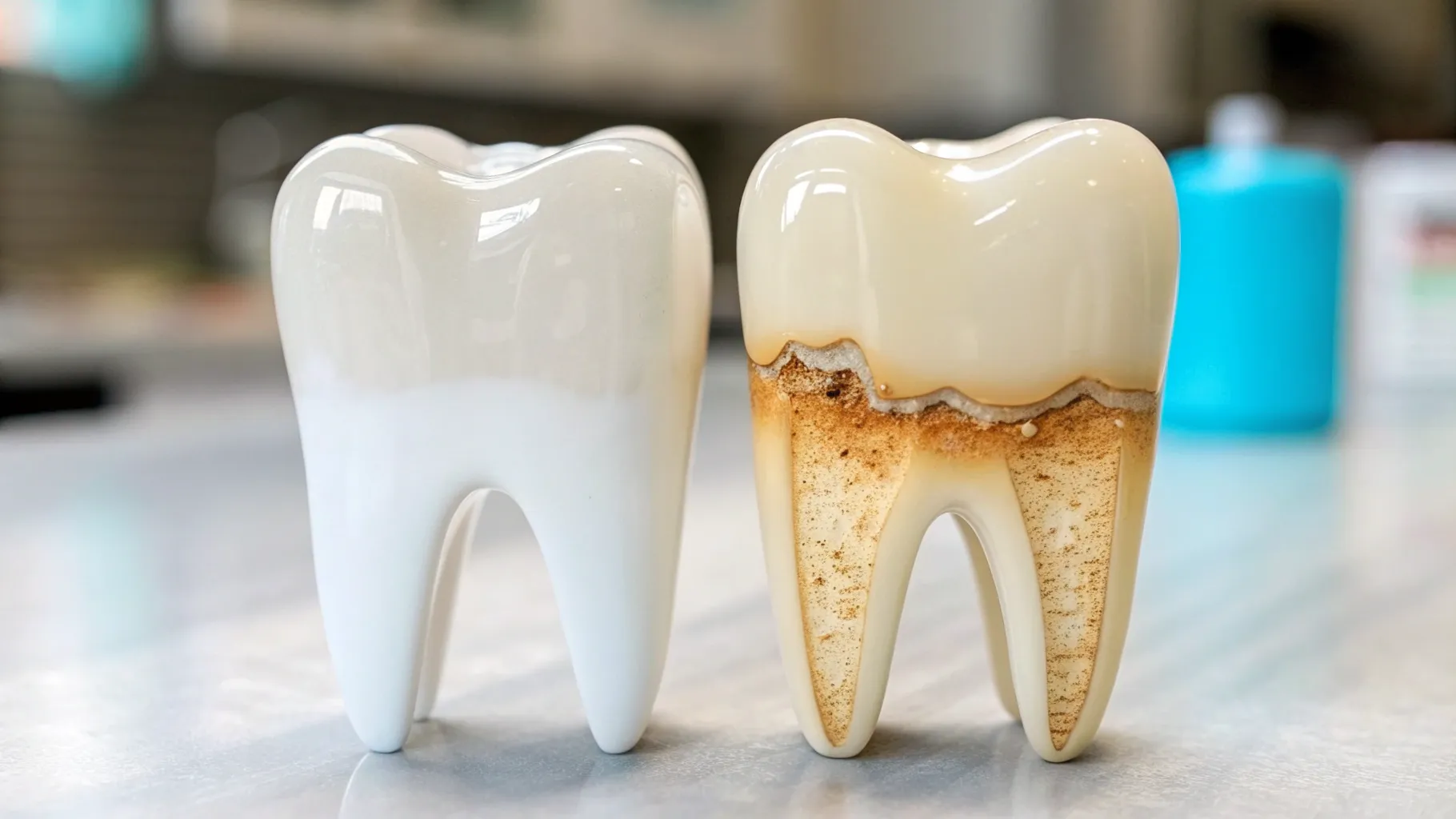
Key Early Symptoms of Enamel Erosion
Recognizing the telltale signs of enamel erosion can empower you to take action before the damage escalates. Here are some oral health warning signs that indicate potential enamel deterioration:
- Sensitive Teeth: Experiencing discomfort or pain while consuming hot, cold, or sweet foods? Increased sensitivity often indicates that your enamel is weakening. Many individuals report heightened sensitivity as one of the most noticeable symptoms of acid wear.
- Tooth Discoloration: Noticing a yellowish tint to your teeth? This discoloration can signal enamel erosion, as the underlying dentin becomes visible through thinning enamel. Keeping an eye on color changes can help you catch erosion early.
- Enamel Thinning: Regular dental check-ups can aid in detecting enamel thinning. If you notice that your teeth appear less shiny and more translucent than before, you should be concerned and consult your dentist.
- Unusual Wear Patterns: If you observe distinctive wear on specific teeth, this could indicate detrimental habits like grinding or clenching, further exacerbating enamel loss. Early intervention can prevent more significant issues down the line.
Why Early Detection Matters
The statistics surrounding enamel erosion are alarming. Current research reveals that nearly 50% of adults aged 18 and older experience some degree of enamel damage. It's not just about aesthetics; weakened enamel heightens the risk of cavities, infections, and other serious dental problems. Swift intervention when early symptoms arise can potentially save your teeth and avoid costly treatments later on.
Common Causes of Enamel Loss
Weak enamel results primarily from acid wear, caused by various dietary choices and lifestyle habits. Understanding the root causes can help you take preventive measures. Here are some common culprits:
- Diet: Consuming acidic foods and drinks, such as soda, citrus fruits, and sugary snacks, can significantly contribute to enamel erosion. The modern diet often includes these harmful items, making awareness crucial.
- Poor Oral Hygiene: Skipping daily brushing and flossing leads to plaque buildup, which can erode enamel over time. Neglecting your oral hygiene routine directly contributes to enamel loss and could result in cavities and gum disease.
- Medical Conditions: Certain medical conditions, including gastroesophageal reflux disease (GERD), expose teeth to harmful stomach acids, accelerating enamel erosion. Understanding your health conditions can provide insight into potential risks.
The Importance of Maintaining Oral Health
With enamel erosion on the rise, prioritizing oral health is more critical than ever. Research indicates that 32% of adults actively avoid certain foods due to fear of sensitivity related to enamel loss. This fear can inhibit dietary choices and affect overall health. Here are some strategies to help protect your teeth:
- Maintain Proper Oral Hygiene: Daily brushing with fluoride toothpaste and regular flossing can combat plaque buildup and enamel erosion. Make it a habit to visit your dentist every six months for a thorough check-up to monitor your dental health.
- Make Smart Dietary Choices: While it’s impossible to completely avoid acidic foods and beverages, limiting their intake is essential. If you do indulge, consider using a straw for drinks to reduce contact with your teeth.
- Stay Hydrated: Drinking plenty of water, especially after consuming acidic items, can help wash away harmful acids that contribute to enamel erosion. Staying hydrated is a simple yet effective way to aid your enamel.
- Consider Dental Treatments: Consult with your dentist about fluoride treatments or dental sealants that can enhance your enamel's strength. Preventive treatments can play a vital role in protecting your teeth from further erosion.
Identifying Symptoms Early
Your body often sends warning signals when something is wrong. If you observe changes like increased sensitivity or discoloration, it’s essential to seek dental advice without delay. Ignoring the early signs of enamel damage can lead to more severe problems that require extensive dental work and increased costs in the future. Proactive measures in response to these symptoms can greatly reduce the risk of further complications.
What to Do Next
At the first sign of enamel erosion, reach out to your dentist for professional advice tailored to your specific situation. A dental professional can offer personalized recommendations and treatments based on the severity of your enamel loss. Educating yourself about enamel erosion empowers you to make informed decisions regarding your oral health, fostering a proactive approach to maintaining strong, healthy teeth.
In our fast-paced world, the pressures on dental health are greater than ever. Taking preventive measures to safeguard enamel is vital. By understanding the early signs of enamel damage, you can ensure your teeth remain robust and healthy for years to come.
Authored by FreshLifeWire team