Early Detection and Screening for Glaucoma in Seniors
Early Detection and Screening for Glaucoma in the Elderly
Glaucoma is often referred to as the "silent thief of sight" because it can lead to irreversible vision loss without any noticeable symptoms in its early stages. For the elderly, the risk of developing this condition significantly increases, making early detection and screening paramount. In this article, we’ll explore the importance of glaucoma screening, the various methods used for testing, and current practices for managing this condition among older adults.
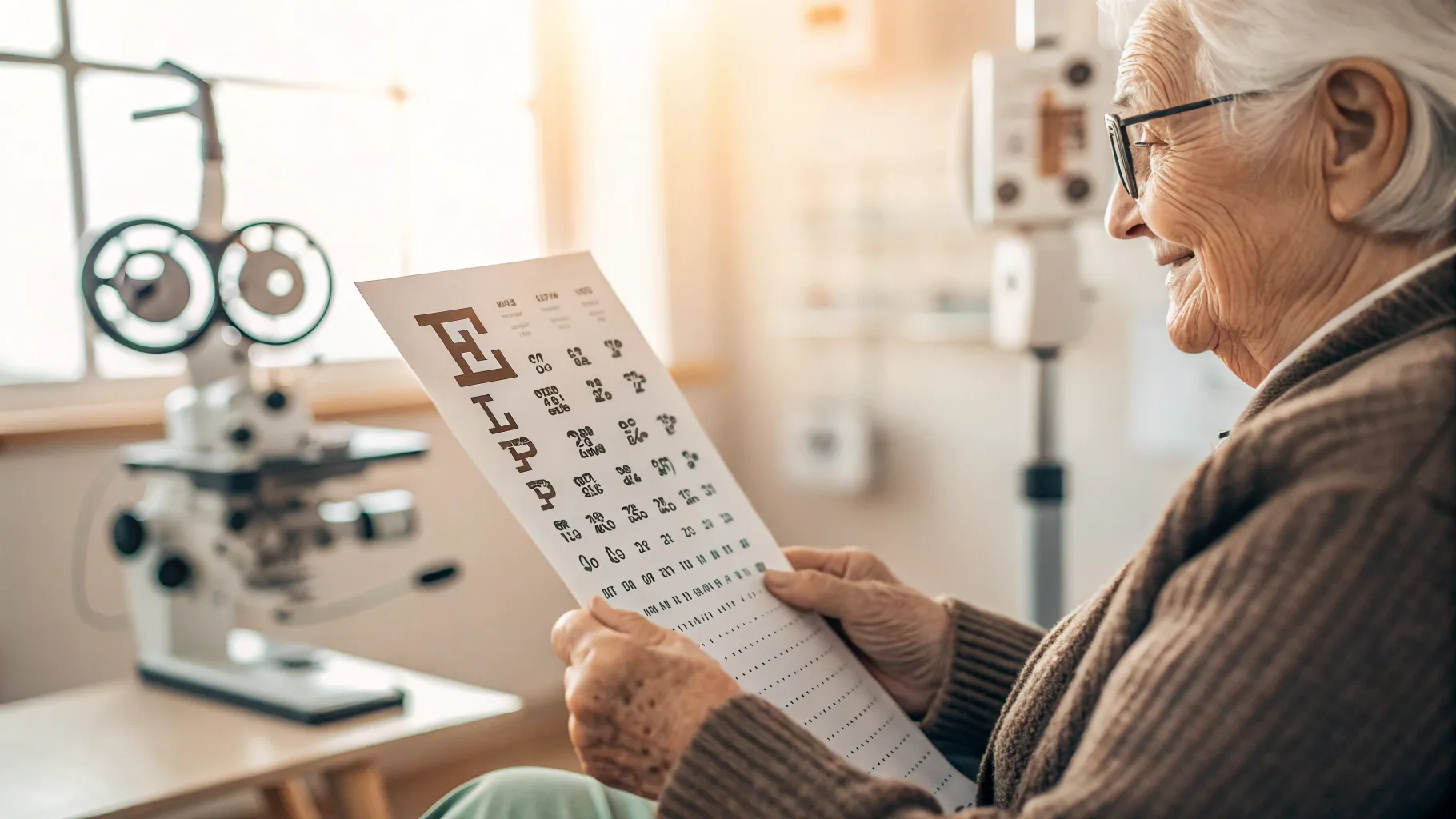
Understanding Glaucoma and Its Risk Factors
Globally, approximately 76 million people are affected by glaucoma, with the numbers expected to rise as the population ages. In particular, individuals over 60 years old are at a heightened risk. Some of the key risk factors associated with glaucoma include:
- Family history of glaucoma
- High intraocular pressure (IOP)
- Age (especially over 60)
- Ethnic background (higher prevalence in African Americans)
- Other medical conditions such as diabetes or high blood pressure
Early detection through glaucoma screening can significantly change the outcome for many elderly patients. Regular check-ups enable healthcare providers to monitor changes in eye health and prevent the progression of the disease.
Methods for Glaucoma Screening
Several tests are commonly used to screen for glaucoma. Each of these plays a crucial role in assessing eye health and detecting abnormalities.
Dilated Eye Exam
The dilated eye exam is an essential component of glaucoma screening. An eye care professional uses drops to widen (dilate) the pupil, allowing a more comprehensive view of the optic nerve and the internal structures of the eye. During this exam, the eye doctor looks for signs of damage to the optic nerve that may indicate glaucoma. According to recent studies, early detection through this method has improved interventions and has helped many patients maintain their vision.
Intraocular Pressure Test
One of the most critical measurements in diagnosing glaucoma is the intraocular pressure (IOP) test. High IOP can indicate the potential for glaucoma, although it’s essential to note that not everyone with high pressure will develop the disease. The Goldmann applanation tonometer is the most common method for measuring IOP during the exam. With technology's advancements, portable tonometers are now available, making it easier for more elderly patients to access screening services.
Visual Field Test
The visual field test assesses peripheral vision, which is often the first area affected by glaucoma. During this test, the patient is asked to identify lights or objects that appear in their peripheral vision. Loss of peripheral vision can indicate the progression of glaucoma. Recent data suggests that integrating this test into routine screenings for seniors leads to better detection and outcomes.
Optic Nerve Imaging
Technological advancements have introduced various imaging techniques such as Optical Coherence Tomography (OCT) and scanning laser polarimetry. These methods provide detailed images of the optic nerve and the surrounding retina, allowing for early detection of changes associated with glaucoma. Notably, OCT technology has been shown to provide critical information about the health of the optic nerve head and the retinal nerve fiber layer.
Importance of Regular Screening
For the elderly, the necessity of regular glaucoma screening cannot be overstated. Many older adults may not experience any symptoms until significant damage has occurred. Thus, proactive screening is vital.
According to the American Academy of Ophthalmology, individuals over 60 should undergo a comprehensive dilated eye exam at least every two years. Those with risk factors, however, should have exams more frequently. For instance, a case study from a local clinic reported that 60% of seniors who underwent regular screenings were diagnosed at an earlier stage of glaucoma, which permitted more effective management of the condition.
Overcoming Barriers to Screening
Despite the clear need for early detection, many elderly individuals do not receive routine eye care. Barriers such as lack of transportation, financial constraints, and limited health literacy often hinder access to necessary screenings. Community outreach programs are vital in addressing these issues, providing education about the importance of eye health, and making screenings more accessible.
In 2025, many organizations are implementing mobile eye clinics and telemedicine options to facilitate easier access for seniors. These innovations are pivotal in ensuring that those who may be most at risk do not fall through the cracks.
The Future of Glaucoma Management
As we advance, the approach to glaucoma detection and management continues to evolve. Research is ongoing to develop new treatment methods that not only help manage IOP but also protect the optic nerve. Current options include medications, laser treatments, and surgical procedures that have shown promising results.
Additionally, educating the elderly about the importance of eye health and the impact of lifestyle choices can play a significant role in prevention. Simple actions, such as maintaining a healthy diet, keeping active, and controlling systemic health issues, can contribute to better eye health overall.
In summary, early detection and screening for glaucoma in the elderly should be a priority. By utilizing comprehensive methods such as dilated eye exams, intraocular pressure tests, visual field tests, and optic nerve imaging, we can help protect the sight of our aging population. With the right awareness and access to care, we can mitigate the risks of this silent sight-stealer.
Authored by FreshLifeWire team