Dog Adoption for Seniors Benefits and Choosing Guide
Dog Adoption for Seniors: Finding The Perfect Companion
Aging can sometimes feel lonely, but adopting a dog can bring joy, companionship, and an active lifestyle into the lives of seniors. As we step into 2025, more seniors than ever are recognizing the advantages of dog ownership. However, there are essential pros and cons of dog adoptions for seniors that need careful consideration. Understanding these factors can ensure a fruitful match between a senior and their new furry friend.
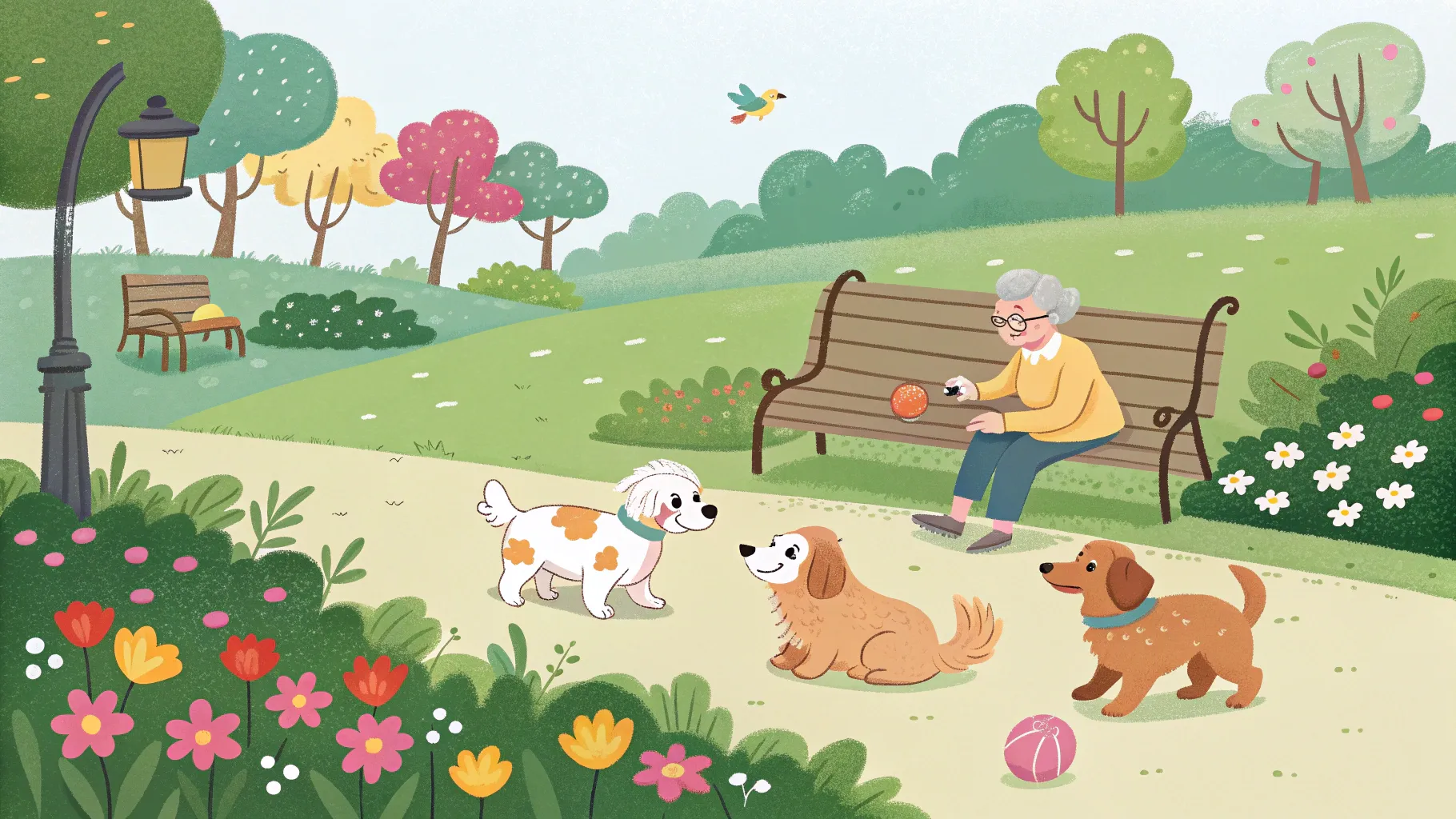
Pros and Cons of Dog Adoptions for Seniors
Pros:
- Companionship: Dogs provide unconditional love and companionship, which can help combat loneliness among seniors.
- Physical Activity: Having a dog encourages regular exercise, whether through walks or playtime, helping seniors stay active and healthy.
- Social Interaction: Dog ownership often leads to increased social engagement, with opportunities to meet other dog owners at parks and training classes.
- Routine and Purpose: Caring for a pet helps seniors establish a daily routine and gives them a sense of purpose.
Cons:
- Physical Demands: Depending on the dog's size and energy levels, some might require more exercise than seniors can provide.
- Financial Intent: Dog ownership comes with expenses like food, vet visits, and grooming, which can be a concern for many.
- Time Commitment: Dogs need regular care and attention, which can be challenging for seniors with other commitments or health issues.
- Potential Health Risks: Seniors with allergies or compromised immune systems may need to consider these factors before adopting.
How to Choose a Dog for Seniors
The choice of a dog can greatly influence a senior's experience as a pet owner. Here are factors to consider:
- Size Matters: Smaller dogs are often easier to manage and require less space, making them ideal for seniors. Breeds like the French Bulldog, Cavalier King Charles Spaniel, and Pug are popular due to their friendly disposition and moderate exercise needs.
- Temperament: Look for breeds known for being calm and affectionate. Dogs such as the Bichon Frise and Shih Tzu often fit this category. They tend to be good companions without being overly energetic.
- Health and Lifespan: Seniors might prefer adopting older dogs, as they tend to be less energetic and are often already trained. Also, consider the dog's health history to ensure you are not facing unexpected vet bills.
- Energy Levels: Assess whether the dog’s energy suits the senior's lifestyle. Breeds with moderate energy levels are typically easier for seniors to manage effectively.
Best Dog Breeds for Seniors
When dog adoption is in question, certain breeds emerge as far better fits for seniors. Here are a few that stand out:
- Yorkshire Terrier: This tiny breed is perfect for apartment living, friendly, and low-maintenance.
- Pomeranian: Small and fluffy, Pomeranians are affectionate and easy to train, making a great company for seniors.
- Golden Retriever: They are known for their friendly nature and are generally gentle around older individuals.
- Cocker Spaniel: With a loving temperament, this breed is also known for its good behavior and ease in temperament.
- Havanese: This breed has a cheerful personality and is incredibly adaptable to various living environments.
What to Consider When Seniors Adopt Dogs
Before adopting a dog, seniors should reflect on several vital considerations:
- Living Arrangements: Assess if your living situation is pet-friendly. Rental agreements sometimes have restrictions on pet ownership.
- Daily Routine: Understand your daily schedule and determine how much time you can devote to your new pet.
- Physical Ability: Evaluate your health and mobility. Ensure you can handle a dog of the size and energy level you’re considering.
- Support Network: Consider if family or friends can help with dog care, especially during emergencies or if you travel.
- Vet Care Accessibility: Ensure there’s easy access to veterinary care to maintain the dog's health.
Are Small Dogs Good for Seniors?
Absolutely! Small dogs are generally ideal for senior pet owners. Their compact size makes them easier to handle, and many small breeds have fewer exercise needs than larger ones. This characteristic coupled with sweet dispositions creates an optimal blend of companionship and manageable care needs. Additionally, studies have indicated that small dogs can also provide significant emotional support, drastically reducing feelings of loneliness and enhancing overall quality of life.
How to Adopt a Dog as a Senior
The adoption process for seniors is relatively straightforward, yet it requires careful thought:
- Research: Start by exploring local shelters and rescue groups. Many organizations specialize in matching seniors with suitable pets.
- Visit: Spend time with potential dogs at shelters to gauge compatibility. Interaction will give insights into the dog's behavior.
- Monitor Adoption Events: Many communities host adoption events that cater specifically to seniors—these can be great opportunities to find the right match.
- Complete Application: Prepare to fill out a detailed application that often requires references and perhaps a home visit.
- Post-Adoption Support: Once adopted, ensure you have access to support groups for senior dog owners, where you can share experiences and advice.
Adopting a dog can bring immense joy to seniors, enriching their golden years with companionship and love. By considering various breeds and taking time to reflect on personal circumstances, seniors can find their perfect canine companions in 2025.
Authored by FreshLifeWire team