Does Medicare Cover Mobility Scooters
Understanding Medicare and Mobility Scooters in 2025
In 2025, mobility scooters have become more than just a convenience for many; they are essential tools that enable individuals with mobility challenges to lead independent lives. However, a common question arises: does Medicare cover these crucial devices? Let's dive into the specifics.
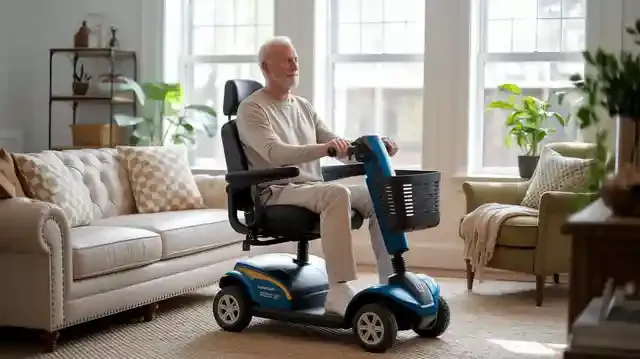
Medicare is a federal program in the United States designed to provide health insurance primarily to people over the age of 65, although younger people with disabilities may also qualify. Navigating the intricacies of Medicare can sometimes feel daunting, especially with the frequent updates in policy and coverage. As of this year, Medicare does provide coverage for mobility scooters, but it's essential to understand the conditions under which such coverage applies.
How Medicare Part B Covers Mobility Scooters
To determine if you qualify for a mobility scooter under Medicare, you'd primarily look at Medicare Part B, which covers Durable Medical Equipment (DME). Mobility scooters fall under the DME category. However, not everyone automatically qualifies for one.
Firstly, the need for a mobility scooter must be deemed medically necessary. This approval usually requires documentation from a healthcare provider confirming that a scooter is crucial for the beneficiary to carry out daily activities, particularly within their home. Once necessity is established, the provider must be enrolled in Medicare, and the scooter itself must be purchased from a supplier that accepts Medicare assignment.
- Medical necessity is confirmed by a doctor's order.
- The scooter must be meant for use primarily in the home.
- Both the supplier and doctor must participate in Medicare.
In 2025, statistics from a recent survey indicate that approximately 8% of Medicare recipients have filed claims for mobility scooters, demonstrating a significant reliance on these devices.
Eligibility Criteria and Out-of-Pocket Costs
It's important to be prepared for potential out-of-pocket expenses even if Medicare covers a portion of the cost. Typically, if approved, Medicare covers 80% of the cost, while you may be responsible for the remaining 20%. It's advisable to look into Medigap plans, which can help offset these costs by providing additional coverage.
More than just the price, the eligibility process itself requires a thorough assessment. The process begins with consultation with a doctor who evaluates whether you face significant mobility challenges that prevent you from performing day-to-day activities like getting out of bed or moving around your house without a scooter. This evaluation usually results in a written document certifying your need, a requirement for Medicare coverage.
Recent data suggests that out-of-pocket costs for those who qualify still range approximately from $500 to $1,500, depending on the model and features requested. Some beneficiaries may also explore local and state-level assistance programs, which, in some cases, might cover part or all of the remaining costs. Exploring these options with the help of a social worker can be beneficial.
The Role of Local Community Programs
Aside from federal insurance, various local and state programs have expanded their support for mobility devices as a response to an aging population. Many states now offer supplementary plans providing broader coverage or better cost-sharing arrangements. For example, California's state health initiative for seniors reported a 20% increase in scooter accessibility funds this fiscal year.
Furthermore, community centers and non-profits frequently hold informational sessions to assist beneficiaries in comprehending these options. Digital platforms also provide ample resources, but real-world sessions remain invaluable, especially for individuals less internet-savvy.
In conclusion, understanding your options in 2025 requires not just knowledge of Medicare but also awareness of other potential supplements and aids. While Medicare does offer substantial help, other resources can fill in gaps and provide much-needed assistance. Therefore, reaching out to local advocacy groups and government agencies can be an effective strategy to ensure the best possible support for mobility needs.
Authored by Neda