Does Medicare Cover Dental Implants Explained in Detail
Does Medicare Cover Dental Implants Understanding Your Options
As healthcare dynamics shift in 2025, many people find themselves asking a vital question: Does Medicare cover dental implants? Dental implants serve as an important solution for those grappling with tooth loss, restoring not only smiles but also essential oral functionality. Yet, the financial implications can be overwhelming, especially for our senior population relying heavily on Medicare for their healthcare needs.
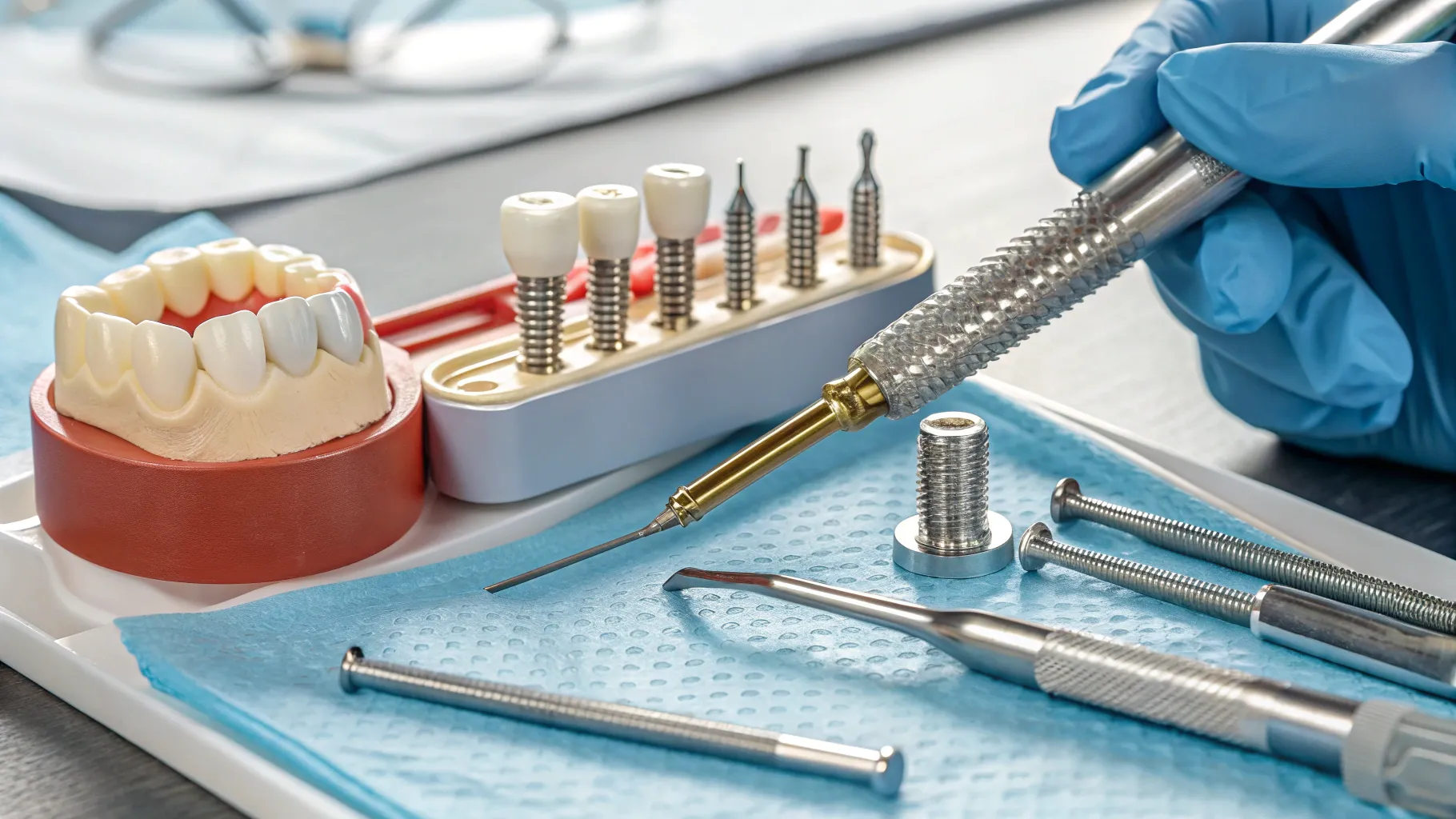
Medicare and Dental Coverage The Basics
Medicare, the federal health program for individuals aged 65 and older, primarily focuses on medical services rather than dental care. To shed some light, Original Medicare—comprising Part A and Part B—typically does not provide coverage for dental procedures, including dental implants. This reality means that for the majority of beneficiaries, the expenses associated with implants will not be covered by Medicare.
It’s crucial to unpack the rationale behind this exclusion. Medicare categorizes dental procedures based on their necessity regarding overall health. While they are selective in covering only procedures deemed medically essential, dental implants are generally considered elective rather than medically necessary. Thus, understanding the nuances of coverage can often result in confusion and disappointment for those eager to secure implants.
Medicare Advantage Plans A Potential Solution
A notable trend is the increasing number of seniors opting for Medicare Advantage (MA) plans. This raises an important question: do these plans offer something that Original Medicare does not? The answer is often yes. Many MA plans come equipped with supplementary benefits, which frequently encompass dental coverage. This expanded coverage can include routine check-ups, cleanings, and in some cases, even surgical procedures.
Current surveys suggest that over 70% of Medicare Advantage enrollees report having some level of dental coverage, marking a significant increase from previous years. If dental implants are essential for you, it is imperative to delve into the specific details of any Medicare Advantage plan you are considering. Some may offer partial assistance for dental implants, while others can facilitate connections with dental care providers for discounted rates.
Consider Dental Insurance for Comprehensive Coverage
For those who find Medicare’s dental coverage lacking, obtaining a separate dental insurance policy may be a sound strategy. Numerous standalone dental plans cover an array of services, including dental implants. Policyholders can take advantage of negotiated rates, which can significantly reduce their out-of-pocket costs. Recent studies indicate that the costs for dental implant procedures can range from $3,000 to $4,500 per implant without insurance—pointing to the necessity for coverage.
- Understand Your Costs: The final cost of a dental implant involves not only the implant itself but also pre-surgical assessments and potential additional procedures (like bone grafting).
- Provider Variability: Costs can fluctuate widely based on the dentist and the geographic location, with urban practitioners often charging higher fees.
- Exploring Payment Plans: Many dental offices provide financing options or payment plans to help manage the costs more effectively.
Exploring Alternatives to Dental Implants
If dental implants appear financially unfeasible, several alternatives might be available that either fall under Medicare coverage or offer similar benefits at a lower expense. Let’s examine these alternatives closely:
- Dental Bridges: A dental bridge could effectively replace missing teeth by anchoring onto neighboring teeth. This option is often considerably less expensive than dental implants, providing a practical solution for many.
- Dentures: Full or partial dentures may serve as more accessible options for those missing multiple teeth, bringing back the functionality of a complete smile.
- Preventative Care: Diligently engaging in preventative dental care—often covered under Original Medicare—can help delay the necessity for more invasive treatments like implants.
Navigating the intricacies of Medicare coverage can seem overwhelming, particularly concerning dental health. As we witness continued changes in healthcare access throughout 2025, it’s vital for individuals to explore all available options regarding dental implants. Consulting with healthcare professionals, scrutinizing Medicare Advantage plans, and contemplating additional dental insurance can significantly enhance the chances of receiving adequate dental care without incurring disproportionate expenses.
This proactive approach not only helps in making informed decisions about dental health but also assists in managing financial commitments effectively. Understanding your options is essential. By staying informed, seniors can navigate the complexities of their healthcare needs with confidence.
Key Takeaways Regarding Dental Implants and Medicare Coverage
Addressing the frequent inquiry about whether Medicare covers dental implants requires a broader understanding of healthcare access and coverage. While Original Medicare does not typically provide for these procedures, exploring Medicare Advantage plans and considering additional dental insurance can help lighten the burden of dental care costs.
With the ongoing evolution of healthcare policies, staying ahead regarding your dental health and financial considerations is crucial. Implementation of a well-structured plan today can not only foster a healthier future but also ensure that your smile remains vibrant and your teeth functional well into your later years.
In this ever-changing landscape, keeping abreast of your coverage options and seeking professional guidance tailored to your specific needs can empower you to make the best decisions for your dental well-being. With the right approach and informed choices, achieving your desired dental health is well within your reach without the financial stress.
Authored by FreshLifeWire team