Do You Really Need to Brush Your Teeth 3 Times a Day
Do You Really Need to Brush Your Teeth 3 Times a Day
Many of us grow up hearing that brushing our teeth is important for maintaining a bright smile and overall oral health. But lately, the question of how often we should brush has gained traction: do you really need to brush your teeth three times a day? It’s a debate that many carry into adulthood, often influenced by personal preference, cultural practices, and dental advice. In this article, we'll delve into the reasoning behind the three-times-a-day recommendation, explore how it aligns with current dental research, and help you decide what’s best for your oral hygiene regime in 2025.
Understanding the Benefits of Frequent Brushing
Brush away plaque, bacteria, and food particles—this is the mantra that guides most dental health experts. According to the ADA (American Dental Association), brushing your teeth not only removes visible debris but also prevents cavities and gum disease by disrupting the biofilm formation of bacteria that adhere to enamel. Here’s why the frequency of brushing holds significance:
- Reduction in Cavities: A 2025 study published in the Journal of Dental Research indicated that patients who brushed three times a day had 30% fewer cavities compared to those who brushed twice daily.
- Gum Health: Gum disease is often a silent killer, progressing without noticeable symptoms until it's advanced. Brushing three times a day can reduce plaque bacteria levels dramatically, reducing the risk of periodontitis.
- Fresh Breath: One of the most immediate effects of brushing is the enhancement of breath freshness. A study from last year showed that brushing more often correlates directly with lower complaints of bad breath.
The arguments for brushing three times a day have merit, especially considering the busy lifestyles many of us lead today. With coffee in the morning, snacks throughout the day, and late-night meals, our teeth face constant exposure to sugar and acids. This frequent exposure can lead to increased enamel erosion and higher risks of cavities.
Brushing Technique Matters Too
It's essential not just how often you brush, but how you brush that counts. Many people assume they’re doing it right by simply moving the toothbrush back and forth a few times, but effective tooth brushing requires a little more finesse.
A 2025 survey found that nearly 60% of people don’t use the correct brushing technique. To ensure you’re getting the most out of your brushing sessions, consider the following:
- Use a soft-bristled toothbrush to avoid damaging your gums.
- Angle your toothbrush at a 45-degree angle to your gums to maximize plaque removal.
- Spend at least two minutes brushing, focusing for about 30 seconds on each quadrant of your mouth.
The goal is to brush all surfaces of your teeth—outside, inside, and chewing surfaces. Brushing too hard can lead to receding gums and enamel wear, undermining the benefits you seek by brushing frequently.
The Perfect Balance: Personal Considerations
While brushing three times a day sounds optimal, individual needs can vary. Factors such as diet, lifestyle, and personal health all influence how frequently you should brush. For example, if you frequently consume acidic or sugary foods, it would be beneficial to increase the frequency of your brushing. On the opposite end, someone with sensitive teeth may need to take a gentler approach and possibly brush less often.
Dietary Impact: Dieticians note that the pH level of our diet significantly affects oral health. Foods that are sticky or sugary can leave residue that contributes to decay. If you find yourself munching on sugary snacks all day, a mid-day brush can be a barrier against cavities.
Health Conditions:Let's not forget about emotional factors, too! Stress can lead to behaviors that compromise oral health, like teeth grinding. Engaging in self-care and regular brushing can help keep your dental health intact despite these challenges.
The Role of Dental Products
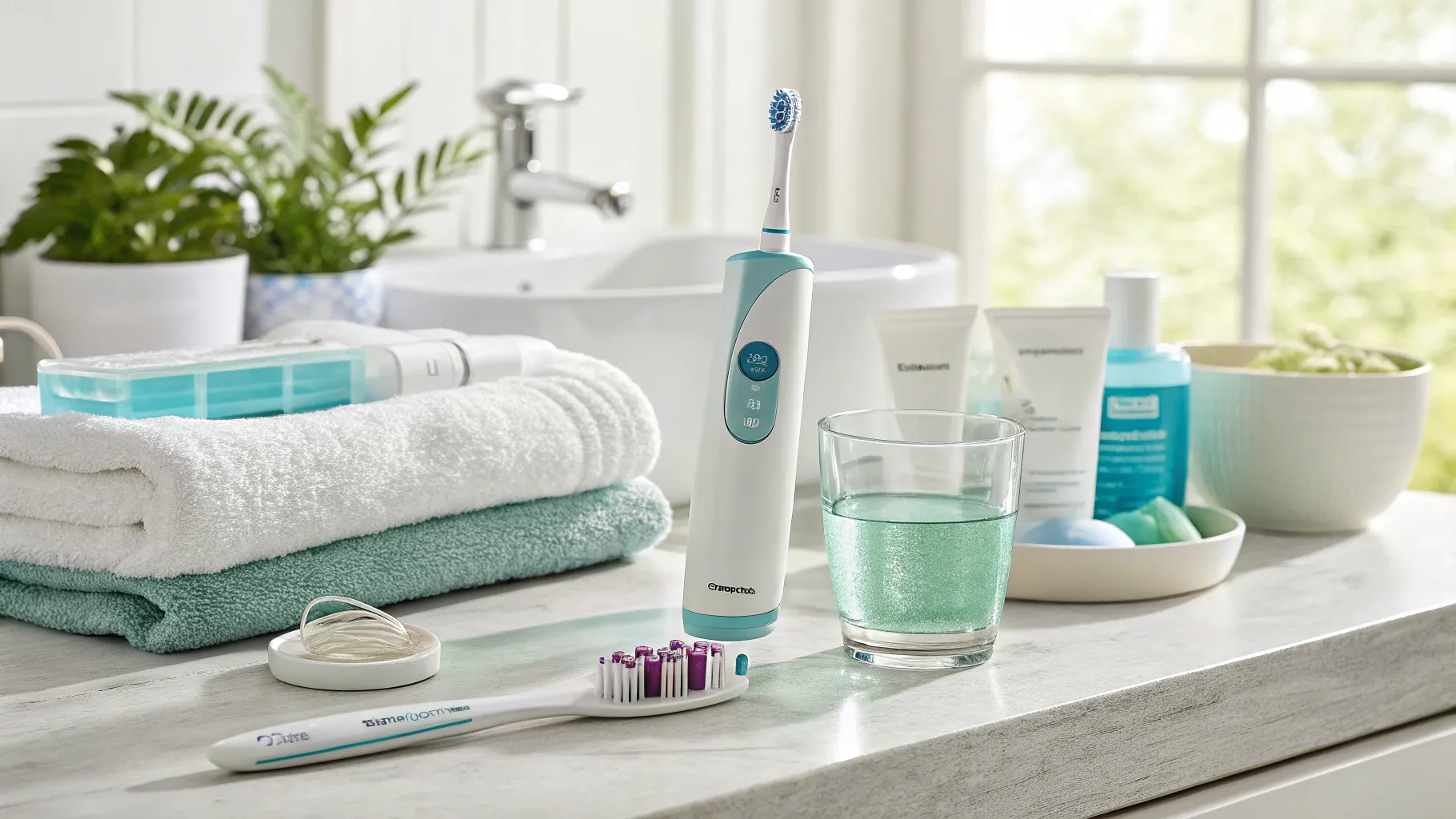
Today, the availability of diverse dental products can enhance the effectiveness of our brushing routine. While toothpaste is the cornerstone of any oral hygiene regimen, various rinses, flosses, and even water flossers are essential for cleaning between teeth and along the gumline. Using mouthwash after brushing can provide an additional layer of protection against decay and bad breath.
Moreover, a recent shift in dental technology has introduced innovative devices like electric toothbrushes, which have been shown to effectively reduce plaque buildup more than manual toothbrushes. According to a study conducted in June 2025, electric brushes can remove 21% more plaque due to their efficient cleaning motions.
In light of these advancements, it's worth considering whether employing these technologies might allow for less frequent brushing—safeguarding oral health without the need to adhere strictly to the three-times-a-day rule.
Ultimately, if you find it manageable and it works for your lifestyle, brushing three times a day is undoubtedly beneficial. However, the crux of effective oral hygiene lies in consistent brushing paired with good techniques and comprehensive dental strategies.
As we navigate through 2025, the conversation around oral health continues evolving. Adapting your brushing habits to fit your unique lifestyle and ensuring the correct techniques can yield a healthier mouth and a brighter smile for years to come.
Authored by FreshLifeWire team