Do Blue Light Glasses Actually Work A Hit or a Myth
Understanding Blue Light Glasses: A Hit or a Myth
The surge in popularity of blue light glasses has sparked discussions about their effectiveness. With an increasing number of people spending more time on screens, questions arise: Do these glasses genuinely help protect our eyes, or are they just another fad?
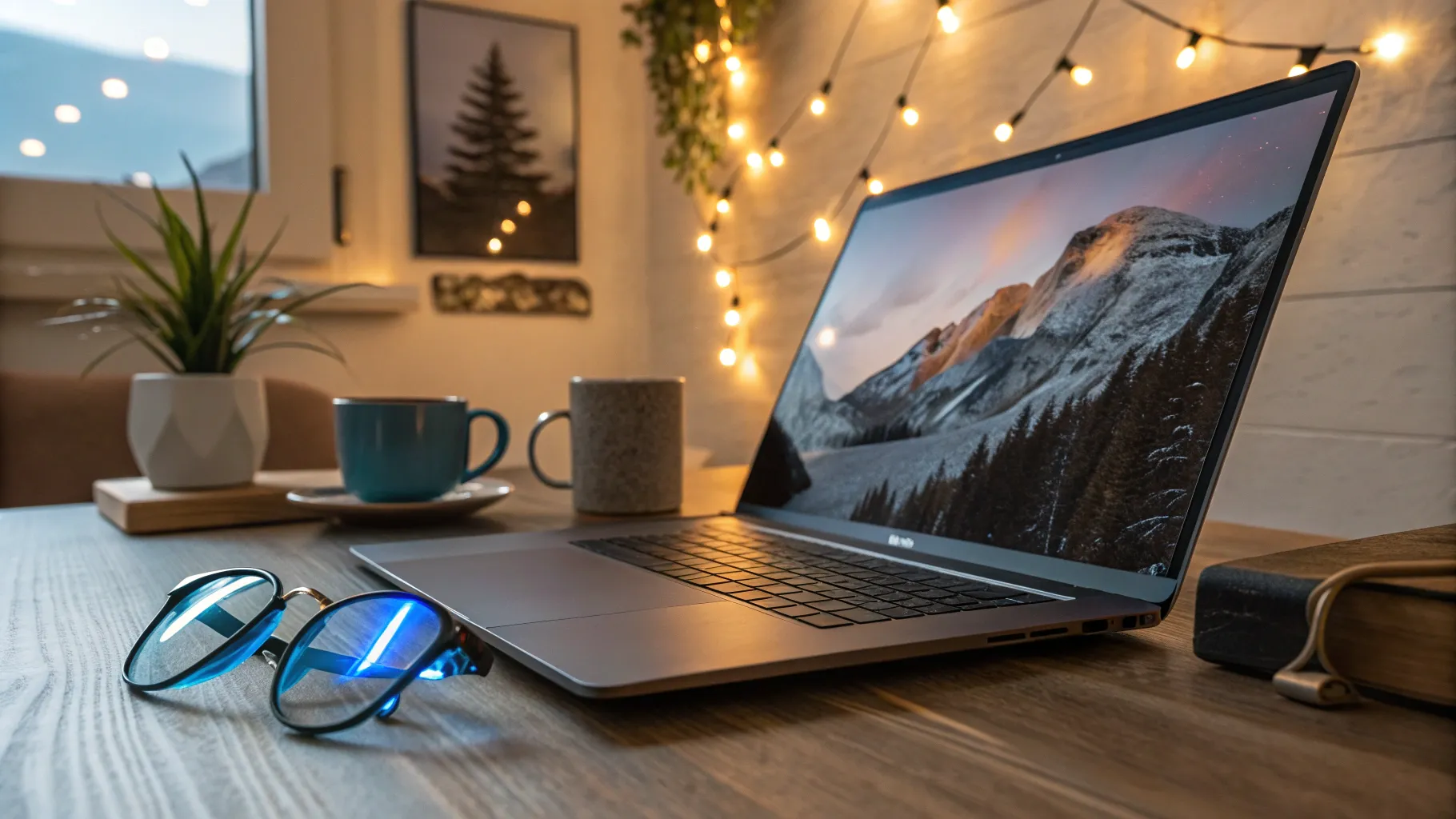
In 2025, the conversation surrounding blue light and the potential fatigue caused by prolonged exposure remains relevant. Blue light, emitted by digital screens, artificial lighting, and even sunlight, has been studied extensively. Advocates of blue light glasses suggest that they filter out harmful blue light, theoretically reducing eye strain and improving sleep quality. However, contrasting views claim these glasses may not have any significant impact.
The Science Behind Blue Light
Before diving into whether blue light glasses work, it’s essential to understand what blue light is. Blue light consists of short wavelengths in the visible spectrum and is believed to impact our circadian rhythms. Research in the past few months indicates that overexposure to blue light can lead to digital eye strain, characterized by symptoms such as discomfort, dryness, and fatigue.
- Recent studies show that nearly 80% of adults experience digital eye strain.
- More than 60% report symptoms associated with this condition.
As the reliance on screens continues to grow, the demand for solutions to combat these symptoms has also risen sharply. Enter blue light glasses, marketed as a remedy to alleviate eye strain and to promote better sleep.
Do Blue Light Glasses Actually Work?
To determine whether blue light glasses are effective, we need to look at recent findings. A 2024 study published in The Journal of Vision confirmed that while blue light does have some effects on visual comfort, the differences noticed by users wearing these glasses may vary significantly based on personal experience.
Here are some insights from research conducted in late 2024 and early 2025:
- A controlled trial found that participants wearing blue light glasses reported a 30% reduction in eye strain compared to those not wearing them.
- Another notable finding indicated improved sleep patterns, as reported by about 65% of users, who claimed better sleep quality after wearing blue light glasses in the evening.
However, it’s essential to curl back to the core of these statistics. Some experts argue that the perception of relief may stem more from psychological effects rather than any actual decrease in blue light exposure. If individuals feel that the glasses are helping, they may be less likely to experience discomfort simply because they believe they have taken a positive step.
Alternatives to Blue Light Glasses
If blue light glasses aren’t for everyone or if their effectiveness isn’t universally agreed upon, what other measures can be taken to alleviate eye strain? The 20-20-20 rule has gained traction and is recommended by many professionals: every 20 minutes of screen time, divert your gaze to something 20 feet away for at least 20 seconds. This simple practice helps your eye muscles relax.
Moreover, adapting your workstation could yield significant comfort. Here are some helpful suggestions:
- Use adjustable chairs and desks to ensure correct posture while using screens.
- Maintain proper screen brightness and contrast, ensuring your screen is not much brighter than your surrounding environment.
- Take regular breaks—short, frequent breaks are more beneficial than long, infrequent ones.
Recent reports suggest more companies are encouraging employees to take scheduled breaks from screens, recognizing the growing trend of digital eye fatigue. Also, programs promoting eye health are becoming part of workplace wellness initiatives.
The Marketing Influence and User Experience
With a booming market, blue light glasses come in various styles and prices. Some brands claim to have scientifically-backed technology while others are merely capitalizing on the trend. As a consumer, how do you sift through the noise? The key is to rely on user experiences and reviews. In the past months, countless testimonials shared online reflect a wide range of sentiments:
- Some users celebrate their enhanced comfort during extended screen time, crediting the glasses for reducing headaches.
- Conversely, others claim negligible differences, emphasizing the role of regular breaks and proper screen settings.
This user variability highlights an important understanding: personal experience plays a critical role in determining the effectiveness of these glasses.
Final Thoughts on Blue Light Glasses
The question of whether blue light glasses work still has many layers to explore. On one hand, scientific evidence supports some benefits, particularly amid a tech-driven age where screen use is ubiquitous. On the other hand, individual experiences vary from notable relief to indifference. At the end of the day, users should consider combining blue light glasses with other eye care strategies. Those who find relief in wearing them should continue to do so, while maintaining healthy screen habits. The emphasis should always be on creating an environment that minimizes strain—whether it’s through new technology or age-old recommendations like the 20-20-20 rule.
As technology advances and our screen engagement evolves, the conversation around blue light protection will remain a hot topic. With personal comfort at the forefront, the decision to wear blue light glasses may ultimately come down to individual preference and lifestyle choices.
Authored by FreshLifeWire team