Do Blue Light Glasses Work A Comprehensive Evaluation
Do Blue Light Glasses Actually Work
In a world dominated by screens, from smartphones to laptops, blue light exposure has become an undeniable concern. As we continue to spend more hours in front of digital devices, the question arises: Do blue light glasses actually work? Are they a hit or a myth? In this article, we’ll delve into the science behind blue light, evaluate the effectiveness of blue light glasses, and examine the impact they have on our daily lives.
Understanding Blue Light
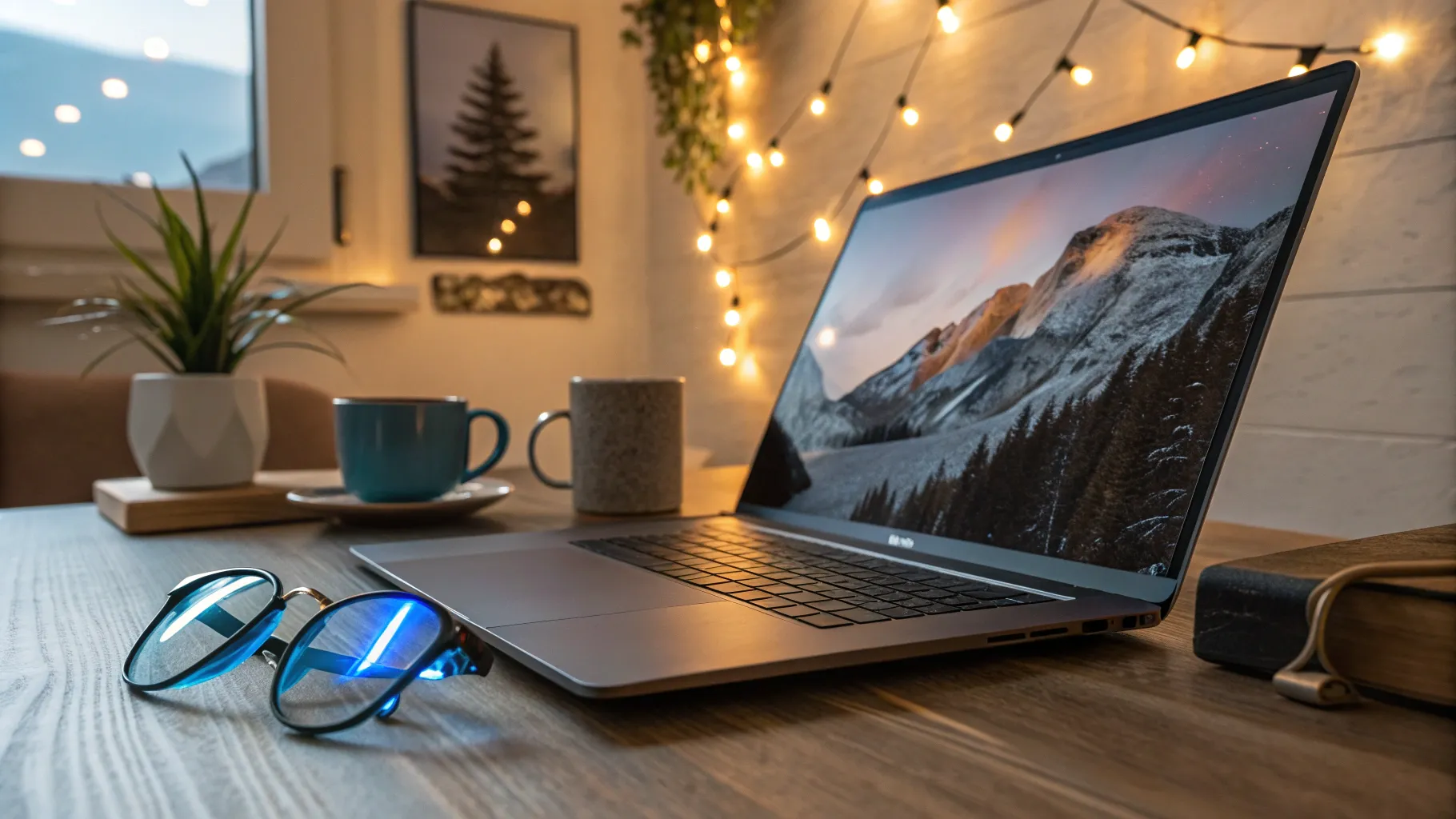
Before we can assess the benefits of blue light glasses, it’s essential to understand what blue light actually is. Blue light is part of the visible light spectrum, ranging from about 380 to 495 nanometers. It is emitted by various sources, including the sun, LED lighting, and digital screens.
In recent studies, researchers have found that excessive exposure to blue light, especially during nighttime, can disrupt sleep patterns and possibly contribute to digital eye strain. Symptoms of digital eye strain include eye dryness, irritation, and difficulty focusing, which many professionals now refer to as a common ailment of our screen-centric lives.
How Blue Light Glasses Claim to Work
Blue light glasses are designed to filter out a significant portion of blue light emitted by digital devices. Most manufacturers claim that their lenses can help reduce glare, improve contrast, and enhance visual comfort. This is particularly appealing to individuals who spend long hours in front of screens, whether for work or leisure. With blue light glasses, users hope to alleviate the uncomfortable symptoms associated with prolonged screen time.
- Glare Reduction: One of the primary benefits users report is reduced glare from screens, leading to a more comfortable viewing experience.
- Enhanced Contrast: By filtering out blue light, some glasses claim to enhance the contrast of colors, making visuals more vibrant.
- Less Eye Strain: Proponents argue that less exposure to blue light can reduce overall eye strain, potentially improving productivity and comfort.
Current Research on Blue Light Glasses
To evaluate if blue light glasses are effective, we must turn to current research. According to a study published in early 2025, a significant percentage of users reported improved comfort while using digital devices when wearing blue light filtering glasses. The study surveyed over 2,000 participants regularly using screens and found that approximately 70% of them experienced less eye fatigue when wearing the glasses.
However, other scientific reviews have provided a more balanced perspective. They argue that while blue light glasses may reduce glare and warm up the color spectrum of screens, their overall impact on eye strain and sleep quality is still up for debate. The American Optometric Association notes, "There isn’t sufficient evidence that blue light glasses can prevent damage to the eyes or prevent digital eye strain, although many users appreciate the comfort they provide." In compliance with these findings, some eye care professionals recommend systemic practices—like the 20-20-20 rule (looking away every 20 minutes at something 20 feet away for 20 seconds)—as effective ways to mitigate eye strain.
Real-World Examples
Many individuals have shared their experiences with blue light glasses. For instance, Sarah, who works as a graphic designer, reports significant improvement in her eye comfort since she began using them three months ago. "I used to experience headaches and fatigue. Now, with blue light glasses, my eyes feel less tired at the end of the day," she states.
On the flip side, Tom, a software engineer, found that while the glasses reduced glare, he noticed no substantive difference in his overall eye strain or productivity levels. After three weeks of use, he decided to stop wearing them, believing that other factors, such as proper hydration and regular breaks, were more effective in alleviating his symptoms.
- User Experience: Real-world testimonials appear mixed; while many find comfort in blue light glasses, others see limited benefits.
- Professional Recommendations: Eye care specialists encourage a holistic approach to eye health rather than solely relying on glasses.
Balancing Technology Use and Eye Health
While blue light glasses may offer some users a more comfortable screen experience, achieving overall eye health should involve more than just their use. Here are some best practices that complement wearing blue light glasses:
- Regular Breaks: Follow the 20-20-20 rule to reduce eye strain effectively.
- Proper Lighting: Adjust the lighting in your work environment to reduce glare.
- Hydration: Stay hydrated to support overall eye health.
- Regular Eye Exams: Schedule annual exams to monitor eye health and discuss concerns with a professional.
In 2025, as we continue to adapt to evolving technology, assessing the pros and cons of blue light glasses remains crucial. They may work wonders for some, providing a filter against harsh screen exposure, but for others, adopting comprehensive eye care practices may lead to even better outcomes. Ultimately, the choice to wear blue light glasses is personal and should be make after considering the available information, user experiences, and professional advice.
Authored by FreshLifeWire team