Diverticulitis Symptoms Treatment and Medicine Guide 2025
Understanding Diverticulitis Symptoms
Diverticulitis is an increasingly common digestive condition that affects millions of individuals worldwide, particularly those over the age of 40. Distinct from diverticulosis, which features small bulging pouches in the colon without inflammation, diverticulitis involves the inflammation or infection of these pouches. Recognizing the symptoms of diverticulitis is crucial for effective treatment. This article explores the key symptoms associated with diverticulitis, along with the latest treatment options and medications available in 2025.
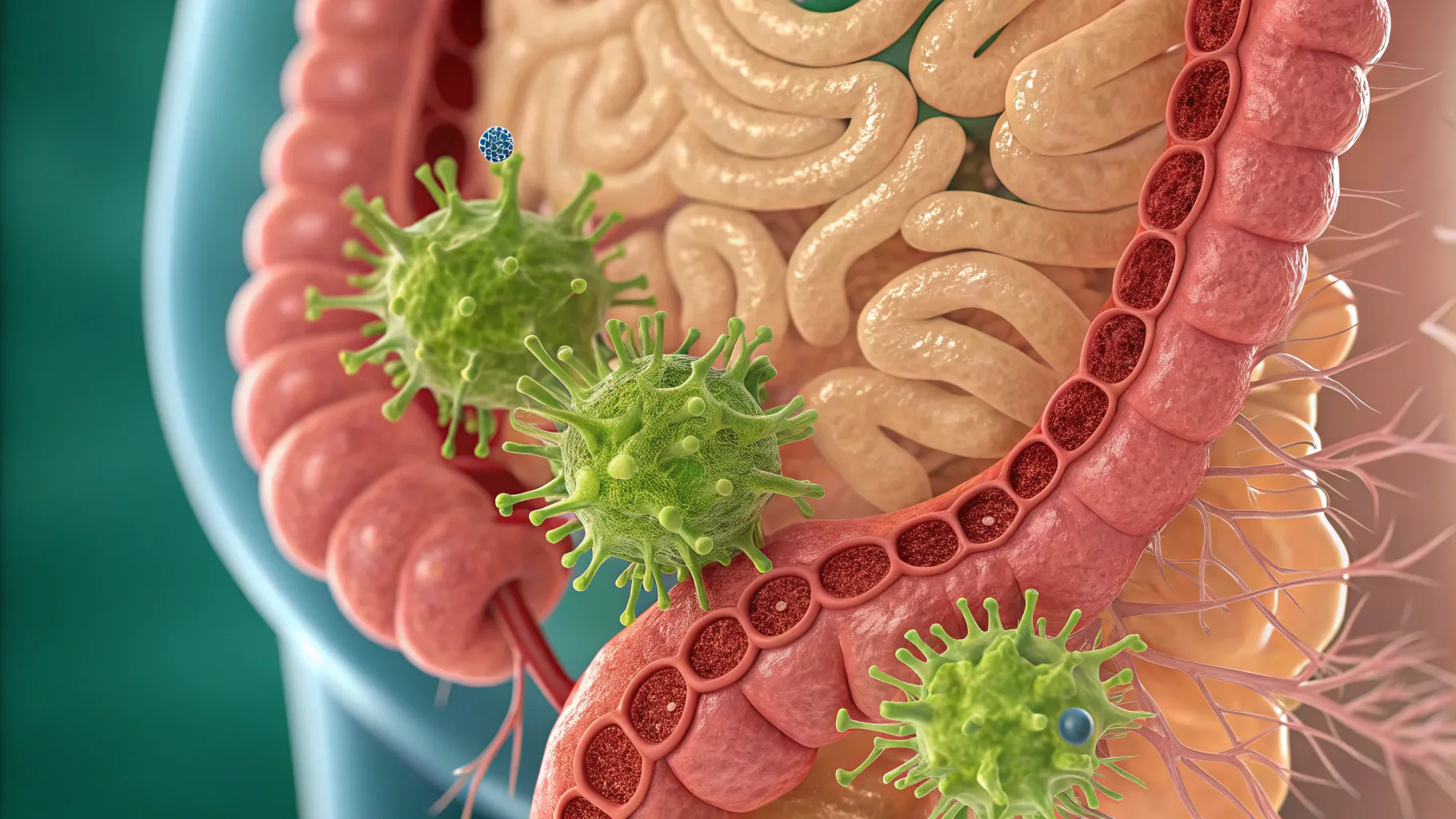
Key Symptoms of Diverticulitis
Identifying diverticulitis symptoms can sometimes prove challenging, as they may mimic other gastrointestinal disorders. However, understanding the common signs can help you seek timely medical attention:
- Abdominal Pain: This is often the most pronounced symptom, typically concentrated on the lower left side of the abdomen. The pain can vary significantly; some report mild discomfort, while others may experience intense cramping that can be persistent or come and go.
- Fever and Chills: Inflammation or infection may trigger a low-grade fever, often accompanied by chills that can make one feel uncomfortable.
- Changes in Bowel Habits: Those suffering from diverticulitis might notice alterations in their bowel movements, which can manifest as either constipation or diarrhea.
- Nausea and Vomiting: Patients frequently report an upset stomach, leading to nausea and sometimes vomiting, which can exacerbate their discomfort.
- Loss of Appetite: The combination of gastrointestinal distress may reduce one’s desire to eat, although this can also lead to unintentional weight loss.
- Bloating and Gas: Feelings of bloating and excessive gas are common complaints during an episode of diverticulitis, contributing to overall discomfort.
It's important to note that the severity of these symptoms can differ markedly from patient to patient. A recent analysis from early 2025 indicates that around 25% of those suffering from diverticulitis may present with less common symptoms, highlighting the importance of detailed medical evaluations.
Severity and Complications
While less severe forms of diverticulitis can often be managed through dietary adjustments and rest, more serious cases can lead to significant complications. These may include abscess formation, bowel obstruction, or peritonitis, which can escalate symptoms and complicate treatment plans. A 2025 case study detailed the experience of a 67-year-old male who suffered from diverticulitis and developed an abscess due to delayed diagnosis and treatment, necessitating emergency surgery. His case underscores the critical nature of early symptom recognition and proactive management in preventing serious complications.
Diverticulitis Treatment Options
Upon receiving a diverticulitis diagnosis, treatment options generally hinge on the severity of the symptoms presented. A healthcare professional may suggest various approaches based on individual patient needs, including:
- Dietary Changes: For those with mild complaints, a high-fiber diet is commonly recommended to enhance digestion and prevent future flare-ups. Incorporating fiber-rich foods such as fruits, vegetables, and whole grains into one’s diet can be beneficial. Recent guidelines from the American College of Gastroenterology suggest that after an acute episode, fiber should be reintroduced gradually to allow the digestive system to recover without causing additional discomfort.
- Medications: The use of nonsteroidal anti-inflammatory drugs (NSAIDs) can help alleviate pain and discomfort. In scenarios where an infection is present, antibiotics such as metronidazole or ciprofloxacin may be prescribed. Notably, a recent clinical trial in 2025 has shown that using a combination of NSAIDs and antibiotics can significantly reduce symptoms within a mere 48 hours for many patients.
- Home Remedies: Patients are encouraged to maintain hydration and consume warm fluids which can aid in easing bowel movements and discomfort. Some individuals also explore natural supplements for relief, all while ensuring they consult their healthcare provider beforehand.
- Surgery: Surgical intervention may become necessary for patients experiencing recurrent diverticulitis or those with complications such as abscesses or perforations. Typically, this would involve the resection of the affected segment of the colon.
According to a survey conducted by the American College of Gastroenterology in late 2024, almost 30% of patients with diverticulitis experience a recurrence of symptoms within five years, underscoring the vital importance of ongoing management and lifestyle adjustments.
Medications for Diverticulitis
Choosing the right medications for diverticulitis hinges on the severity of the condition. For uncomplicated diverticulitis, healthcare providers might recommend:
- Antibiotics: Common options like metronidazole or ciprofloxacin can help control infections, particularly when accompanied by significant abdominal pain or fever.
- Pain Management: Acetaminophen is often preferred over NSAIDs due to the potential for NSAIDs to worsen diverticulitis symptoms.
In instances where diverticulitis is recurrent or particularly severe, patients might need a tailored therapeutic regimen that could include stronger prescriptions, probiotics, or diet-specific supplements designed to support gut health. A notable development in 2025 involves a new line of gut-health supplements that have demonstrated promising results in clinical trials, offering hope for better management of diverticulitis symptoms.
The journey with diverticulitis can indeed be complex and often frustrating. However, a solid understanding of the symptoms is essential for seeking timely and effective treatment. Always consult with healthcare professionals when faced with abdominal discomfort or other related symptoms. Prompt intervention can lead to significantly better outcomes and reduced chances of serious complications.
Authored by FreshLifeWire team