Discover Walkers and Rollators for Elderly
Innovations in Walkers and Rollators
As 2025 moves forward, the landscape of mobility aids such as walkers and rollators continues to expand and innovate. The demand for effective solutions catering to seniors is on the rise, reflecting an increasing awareness of mobility needs in ageing populations. Walkers and rollators are at the forefront of these advancements, providing not only physical support but also a sense of independence.
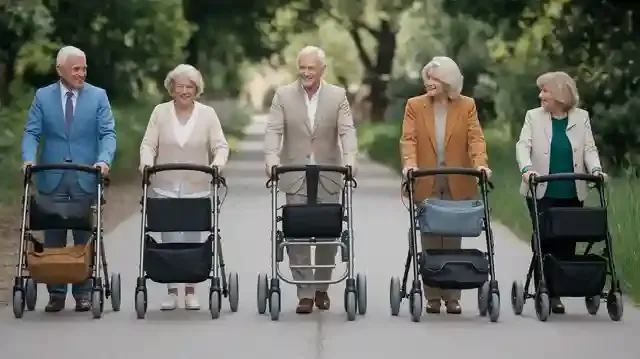
Rollators have become a staple in senior mobility, thanks to their versatility. One key development is the integration of smart technology into these aids. Smart rollators can now monitor vitals, track location, and even send alerts in emergencies. ElderTech, a notable company, has introduced a model that synchronizes with apps to provide caregivers real-time updates.
Features and Types
The variety of walkers and rollators available today is vast, catering to diverse needs. Lightweight walkers are ideal for indoor use, especially in tight spaces, while rollators with all-terrain wheels allow seniors to enjoy the outdoors without concerns about uneven paths or surfaces. In urban settings, compact models like the CityWalker are popular, designed to fold seamlessly for easy transport in crowded public transport.
Another popular option is the hybrid rollator-chair. This design allows the user to alternate between walking support and a seat when a rest break is necessary. Moreover, bariatric walkers reflect an inclusivity trend, supporting those who require additional stability and weight capacity.
- Standard Walkers: Known for simplicity and typically don’t have wheels.
- Two-wheeled Walkers: Offer a balance between stability and maneuverability.
- Three-wheeled Rollators: Highly mobile and easy to handle, ideal for narrow spaces.
- Four-wheeled Rollators: Provide maximum support and often include a seat.
Benefits of Using Advanced Mobility Aids
Adopting modern walkers and rollators brings several benefits. Firstly, aids enhance safety. For instance, advanced braking systems in newer models are crucial in preventing falls, especially on slopes or inclines. Secondly, they encourage physical activity. With features like shock-absorption, even those with joint issues can enjoy longer and more frequent walks.
Moreover, the psychological boost these devices offer is immeasurable. Maintaining mobility not only reduces the risk of isolation but also contributes significantly to mental health. Seniors who continue to participate in community activities experience higher satisfaction and happiness.
A real-world example of the impact of these aids can be seen with Mr. Harris, a 78-year-old New Yorker, who began using a smart rollator. He notes, "The built-in GPS has been a blessing. It makes my kids feel safe about me going to the park on my own.” Furthermore, innovations like the storage compartments and cup holders in newer models add practical benefits that can enhance the quality of daily activities.
Navigating the variety of options can be daunting. However, healthcare professionals are equipped to guide seniors and families in making informed choices, tailored to individual needs and lifestyles. Whether it's choosing a rollator with electric assistance for uphill climbs or a walker with ergonomic grips for arthritis sufferers, options are abundant.
In conclusion, the field of mobility aids is rapidly evolving. The design and technology integrated into today's walkers and rollators offer unprecedented support and convenience. These enhancements are crucial in promoting autonomy and wellbeing for the elderly in 2025. Thus, understanding and selecting the right type of walker or rollator is an important step towards maintaining an active and fulfilling lifestyle.
Authored by Neda