Discover Storage Unit Auction Insights and Bidding Tips
How Storage Auctions Work
Storage unit auctions have surged in popularity over the past few years, transforming into an unexpected treasure hunt for many individuals. At their core, these auctions are held when the owner of a storage unit fails to pay the required rent. When the payments go unpaid, storage facilities typically provide a grace period and issue notices, but ultimately, if the unit remains unpaid, the contents are auctioned off to the highest bidder.
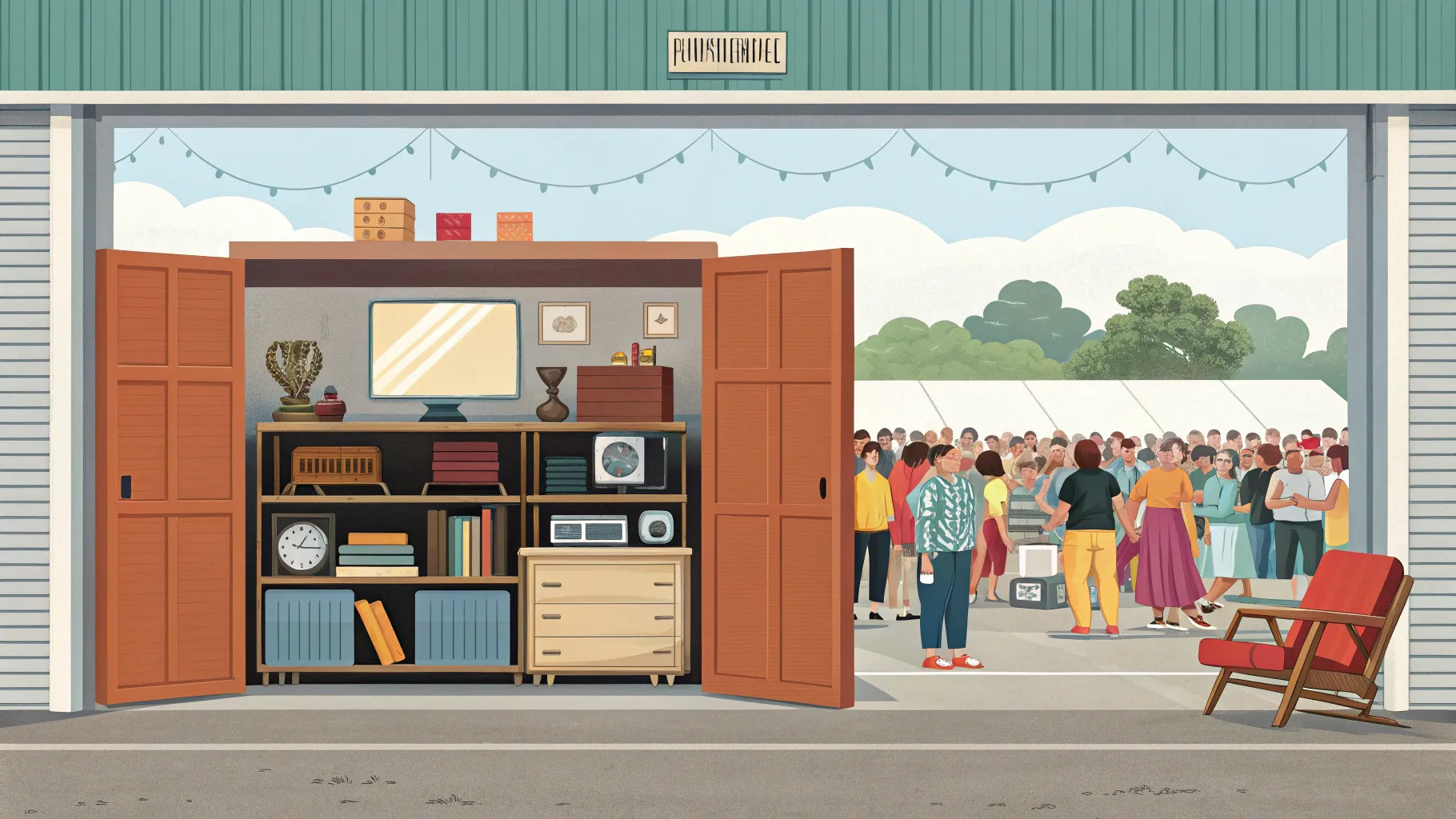
Here’s the basic rundown of how the process works:
- Notification: Storage facilities are required to notify the renter about unpaid dues. This often involves a series of letters and phone calls. If the unit remains unpaid, they will proceed to auction the contents.
- Advertising the Auction: Once it’s confirmed that costs remain unpaid, the auction is advertised. Facilities may use local newspapers or online platforms to inform potential bidders about the date and contents of the auction.
- Viewing the Units: Interested bidders usually have a chance to briefly view the outside of the unit. They can often only see what is visible from the door, which makes it a thrilling gamble.
- Bidding Process: On the auction day, bidders present their registration information and begin placing bids. The highest bidder would win the unit and will have to pay immediately.
- Post-Auction Responsibilities: After winning, the bidder typically has a specific time frame to clear out the unit. If the contents aren’t removed in time, additional fees may apply.
What Happens When Units Go Unpaid
Unpaid storage units can lead to a series of consequences, directly impacting the storage facility and the storage unit owner. For the storage owner, frequent non-payments can mean lost income and increased costs related to management and maintenance of the units. For the management, it's crucial to establish a systematic approach to handle unpaid accounts to mitigate losses effectively.
In many cases, storage facilities claim the right to auction any unit that remains unpaid after a specified period, which often varies by state law. In 2025, many states still operate under similar regulations as before, but it’s essential to stay informed about any local changes to these laws.
Storage owners often lose personal items that hold sentimental value. From photographs to family heirlooms, many stories exist regarding lost treasures simply because of an inability to pay rent. In contrast, auction attendees are often optimistic about the potential hidden riches they may uncover.
Tips for Bidding and Valuing Items
For those entering the world of storage auctions, a few insightful tips can make the experience less daunting and potentially more profitable. Here’s how to approach your bidding strategy:
- Set a Budget: It’s crucial to determine beforehand how much money you are willing to spend. Bidding can get competitive, so having a budget helps ensure you don’t overspend.
- Research Similar Auctions: Understanding what items typically go for in your local area can assist in valuing the units you are bidding on. Prices can vary significantly from one location to another.
- Know What to Look For: Familiarize yourself with the types of items that frequently show up in storage units, such as furniture, electronics, and collectibles. Having a discerning eye will help you spot valuable items more efficiently.
- Consider Labor Costs: If you plan to resell items from the unit, don’t forget to account for time and labor. It can take significant effort to sort through everything, clean items up, and sell them.
- Network with Other Bidders: Building relationships with other auction-goers can provide you with insights and leads on future bids. Plus, you may find someone willing to partner with you on future projects.
Legal Considerations and Rules
It’s not just about bidding and finding items; there are also legal rules governing storage auctions that bidders must be aware of. Laws can significantly vary by state, but some common themes remain constant:
- Notice Requirements: Many states require that storage facilities wait a specified period and provide adequate notice to renters before the auction. This allows tenants to reclaim their belongings before they are sold.
- Local Regulations: Certain states have specific laws governing how storage auctions should be conducted, such as how to advertise the auction and where it may take place.
- Title Transfer Policies: Understanding how ownership is transferred legally is crucial. Winning bidders often receive a bill of sale, but awareness of how to document ownership is essential for reselling any contents later.
- Professional Conduct: Bidders are also expected to conduct themselves appropriately. Disruptive behavior during an auction can lead to ejection from the event and possible bans from future auctions.
Real Stories of Successful Finds
Every storage auction enthusiast loves hearing stories about incredible finds, and these accounts can serve as motivation for new bidders. In August 2025, reports surfaced about a lucky bidder in Texas who stumbled upon multiple vintage guitars in a unit. After some initial cleaning and restoration, he resold the items for a whopping $10,000, which showcased how valuable found items can be.
In a different case, a couple in California spent approximately $300 on a storage unit and found various collectible toys dating back to the 1980s. After thorough research, they realized they had struck gold, and they now plan to list these items for thousands online.
Each auction tells a unique story, and while not every unit will result in a treasure trove, the practice of bidding itself remains an exciting community of risk, reward, and discovery.
Authored by FreshLifeWire team