Discover Exciting Careers in Recycling Plants Today
Exploring Careers in Recycling Plants
As the world continues to grapple with the challenges of waste management and sustainability, the recycling industry has emerged as a beacon of opportunity. The demand for recycling plant careers is on the rise, reflecting a growing awareness of environmental issues and the need for effective waste processing. If you are considering a career in this vital field, it’s essential to understand the roles available, the skills required, and the benefits and challenges you may face in this industry.
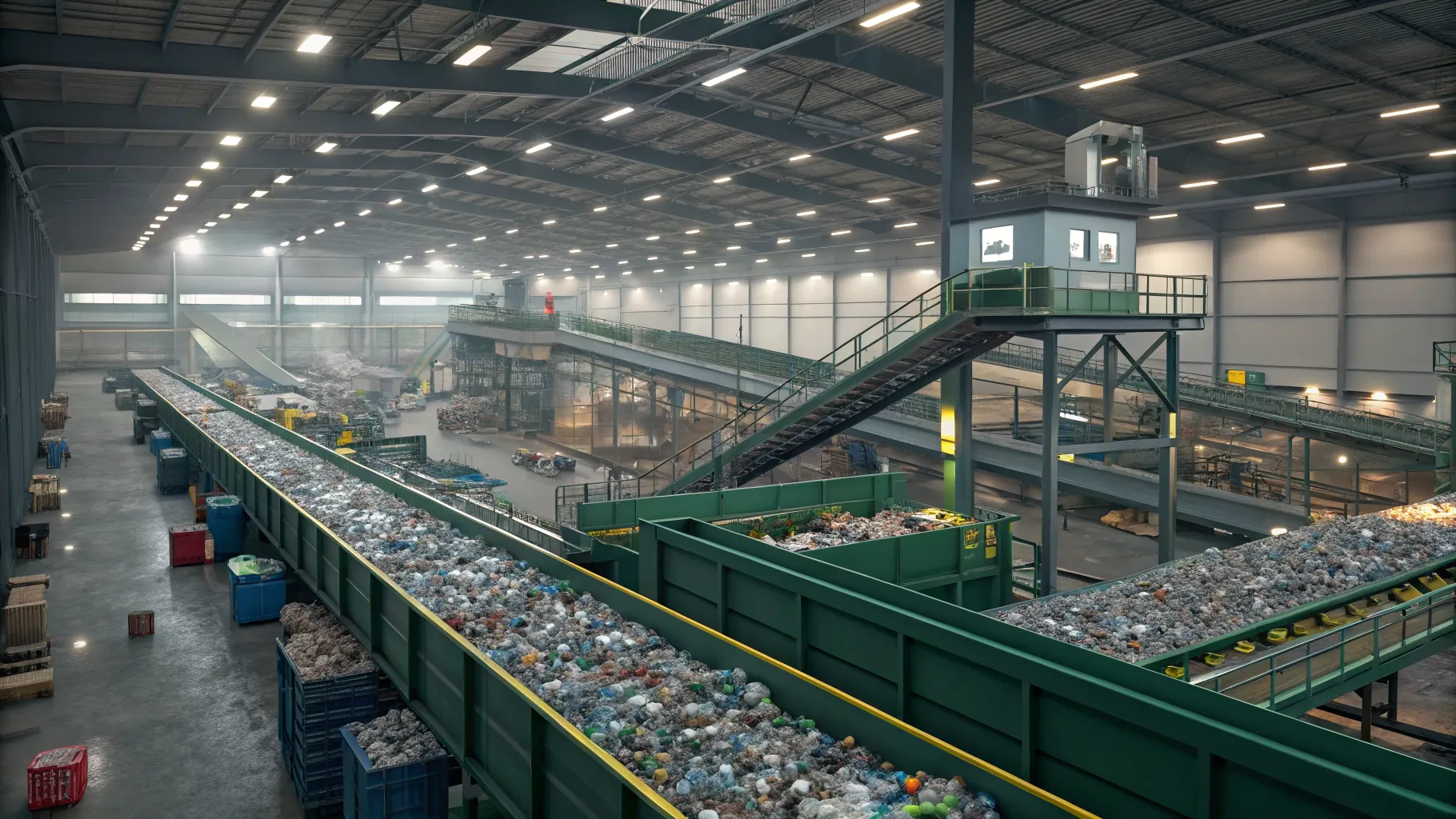
Types of Recycling Plant Jobs and Their Responsibilities
Recycling plants are bustling hubs of activity, and a variety of jobs exist within this sector. Below are some common roles you might find, each with distinct responsibilities:
- Sorters and Processors: These individuals are on the front lines, manually or automatically sorting materials for recycling. Their keen attention to detail ensures that recyclable items are properly categorized, which significantly impacts the efficiency of the recycling process.
- Plant Operators: Responsible for overseeing the machinery and processes in a recycling plant, plant operators ensure that everything runs smoothly. They must regularly perform maintenance checks and troubleshoot equipment issues to minimize downtime.
- Environmental Technicians: These specialists monitor emissions and waste output to ensure compliance with environmental regulations. Their work contributes directly to sustainable practices within the plant.
- Logistics Coordinators: Managing the flow of materials in and out of the plant, logistics coordinators ensure that operations run efficiently. They handle scheduling, transportation, and inventory management, playing a crucial role in operational success.
- Sales and Marketing Representatives: With a focus on promoting recycling initiatives, these professionals develop relationships with local businesses and government programs to increase the volume of materials collected for recycling.
Each of these roles contributes to the overarching goal of reducing waste, promoting sustainability, and conserving natural resources.
Skills Needed for Recycling Plant Jobs
Working in a recycling plant requires a unique blend of skills, including both technical abilities and soft skills. Here are key skills that job seekers should consider when applying:
- Attention to Detail: Precision in sorting materials is essential. Mistakes can lead to contamination in recyclable loads, which might result in entire shipments being sent to landfills.
- Technical Skills: Familiarity with machinery and knowledge of operational processes are invaluable. Many roles require the ability to troubleshoot equipment and perform routine maintenance.
- Physical Stamina: Recycling plant jobs often demand physical labor, including lifting and moving materials, which can be physically challenging.
- Communication: Working as part of a team is crucial; clear communication ensures safety and efficiency within the workplace.
- Problem-Solving Skills: Issues are bound to arise, and recycling plant employees need to think on their feet to resolve challenges quickly.
Enhancing these skills can greatly increase your suitability for a variety of roles within the recycling industry.
Benefits of Working in Recycling Plants
A career in a recycling plant offers numerous advantages that go beyond a paycheck:
- Environmental Impact: By working in recycling, employees contribute to a sustainable future, making a positive impact on the environment.
- Job Stability: As more communities prioritize recycling, the demand for skilled workers in this industry is steadily increasing, translating to job security.
- Career Growth: There are ample opportunities for advancement within recycling plants, ranging from entry-level roles to management positions, especially for those willing to further their education and skills.
- Team Environment: Many employees find camaraderie among colleagues who share a common passion for environmental stewardship.
Challenges in Recycling Plant Careers
While rewarding, careers in recycling plants are not without their challenges. Here are a few to consider:
- Health and Safety Risks: Recycling plants can be hazardous environments, with moving machinery and potential exposure to harmful materials. Adhering to safety protocols is non-negotiable.
- Physical Demands: The labor-intensive nature of many positions can lead to fatigue, and some workers may experience physical strain.
- Variable Work Conditions: Employees may work in different weather conditions, especially in outdoor facilities, which can be less than ideal.
Understanding these challenges can help you prepare for the realities of a career in the recycling industry.
Entry-Level Recycling Plant Jobs
The recycling sector is increasingly open to entry-level positions, making it a viable option for those just starting their careers. Typical entry-level roles include sorters and general laborers, which generally require minimal experience. On-the-job training is often provided, allowing newcomers to develop essential skills. Job seekers can find these opportunities through local job boards, industry-specific listings, and community resource centers. Additionally, networking within environmental advocacy groups can uncover job leads in the recycling field.
How to Apply for Recycling Plant Jobs
To successfully secure a job in a recycling plant, consider the following steps:
- Research: Familiarize yourself with local recycling facilities and their practices. Understanding the facility's operations can help you stand out in applications.
- Prepare Your Resume: Highlight relevant experience and skills, even if they were gained in unrelated fields. Skills such as teamwork and time management are transferable.
- Network: Connect with professionals in the recycling field. Attend local events, workshops, or join online groups focused on environmental careers.
- Follow Up: After applying, don’t hesitate to follow up. A polite inquiry about your application can demonstrate your interest in the position.
In summary, careers in recycling plants offer dynamic opportunities alongside significant challenges. With the right skills and preparation, you can find a fulfilling role within this growing industry while making a positive contribution to environmental sustainability.
Authored by FreshLifeWire team