Discover the Benefits of Mobile Tiny Houses on Wheels
Exploring Mobile Tiny Houses Embrace the Tiny Houses on Wheels Lifestyle
In 2025, the allure of mobile tiny houses continues to grow among those who crave simplicity and a connection with nature. These compact homes, usually mounted on wheels, inspire a unique lifestyle characterized by freedom, adventure, and a commitment to sustainability. Whether you're a digital nomad, a retired couple, or a family looking to simplify, mobile tiny houses can transform your life and provide unparalleled experiences.
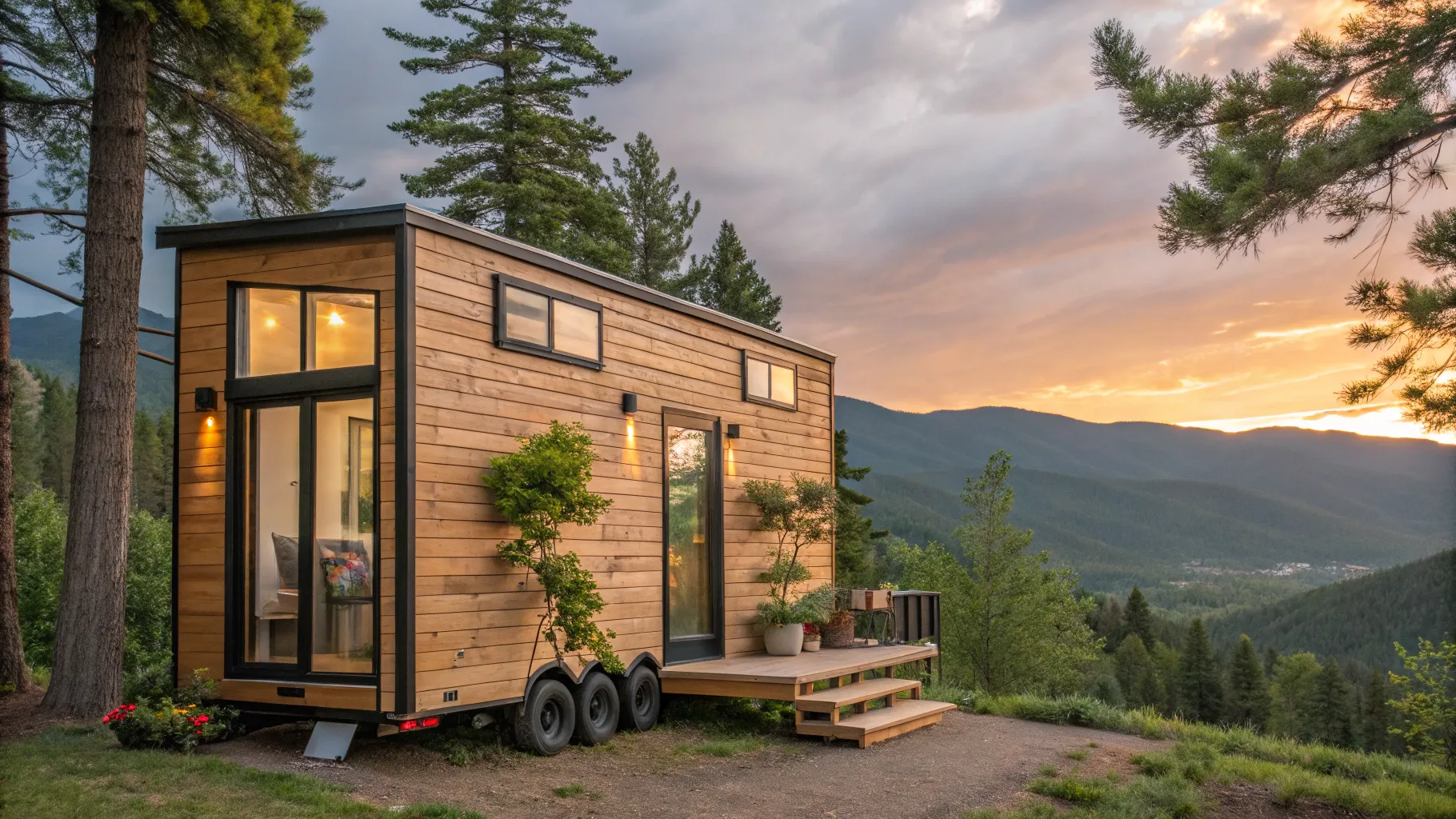
The Benefits of Mobile Tiny Houses
Choosing life in a mobile tiny house is about more than just living in a small space; it encapsulates a holistic attitude toward living that enhances everyday existence. Here are the most compelling benefits:
- Affordability: The cost of constructing or purchasing a mobile tiny house generally falls between $30,000 and $60,000. In stark contrast, the median home price in the U.S. hovers around $400,000. This financial freedom enables individuals to allocate budgets for travel, investments, and personal growth rather than mortgages and utility bills.
- Eco-friendliness: Mobile tiny houses typically reduce energy consumption due to their smaller size. Many include features like solar panels, rainwater harvesting systems, and energy-efficient appliances that lead to a significantly lower carbon footprint, aligning with global sustainability goals.
- Mobility: The ability to move your home wherever you choose infuses life with spontaneity. Imagine waking up to the crisp air of the mountains this morning and soaking in ocean views tomorrow. This mobility fosters relationships with diverse communities and the opportunity to explore breathtaking landscapes, all from the comfort of your home.
- Minimalism: Downsizing fosters a lifestyle of robust simplicity. As you declutter your life, you gain clarity and tranquility. A staggering 77% of mobile tiny house owners reported enhanced happiness levels, shedding excess possessions contributes to this sentiment, allowing residents to focus on what truly matters.
Studies throughout the last year reveal that individuals who embrace minimalism and mobile living report improved mental health and satisfaction in their lives. The community and lifestyle surrounding mobile tiny houses cultivate a shared sense of purpose and connection.
How to Build a Mobile Tiny House
Embarking on the journey to build a mobile tiny house is both thrilling and fulfilling. Here's a comprehensive guide to help you navigate this rewarding project:
- Define Your Purpose: Clearly articulate your goals for the tiny house. Are you aiming for full-time living, a part-time getaway, or even a rental investment? Your purpose will significantly influence the design and functionalities of your tiny space.
- Go Small with Your Design: Start by sketching a floor plan that meets your lifestyle needs. Standard mobile tiny homes range from 100 to 400 square feet. Maximizing space with multifunctional furniture and innovative storage solutions is vital.
- Select Durable Materials: Considering the mobile nature of these residences, prioritize lightweight yet robust materials. Incorporate elements such as aluminum frames, insulated panels, and sustainable woods to ensure longevity and efficiency.
- Plan Utilities: If you prefer an off-grid lifestyle, research and install essential systems, including solar panels, water tanks, and compost toilets. These features not only support self-sufficiency but also enhance your eco-friendly living.
- Follow Local Regulations: Each area has distinct building codes and zoning laws. Before you start building, it’s wise to liaise with local authorities to ensure compliance and avoid potential legal hurdles.
- Test Your Build: Once your tiny house is complete, conduct thorough checks to affirm its roadworthiness. Assess the structural integrity, utilities, and any safety features to ensure a smooth transition onto the road.
In recent months, social media platforms have seen an explosion of DIY projects, with enthusiasts sharing tutorial videos and images of their builds. This has inspired many to try their hand at constructing their own mobile tiny homes.
Budgeting for Mobile Tiny House Living
Financial planning is one essential element of transitioning into mobile tiny house living. Understanding the costs involved will help you prepare adequately:
- Costs of Construction: The price of your tiny house can fluctuate significantly. Typically, construction costs range from $20,000 to $70,000, capturing variables such as material choices and customization. For those looking for a quicker solution, many pre-built models start at around $40,000.
- Land Costs: Identifying parking or living arrangements is crucial. Many prefer joining mobile tiny house communities, where monthly rentals average between $300-$600, thus providing a social network as well as a place to call home.
- Ongoing Costs: Anticipate expenses related to maintenance, utilities, insurance, and travel. A sound financial guideline suggests keeping your total living costs under 50% of your monthly income, facilitating a comfortable lifestyle.
By meticulously planning your finances, you can ease the transition into mobile tiny house life and ensure a sustainable living environment. Regardless of whether you're building from scratch or opting for a pre-built model, it’s crucial to be aware of all potential expenses to avoid unexpected financial burdens.
The mobile tiny house movement continues to thrive in 2025, reflecting a shift towards minimalist living that prioritizes sustainability, mobility, and personal fulfillment. This lifestyle not only influences where you live but also how you engage with the world around you. If you’re ready to take the plunge, consider all possibilities that mobile tiny house living provides, including the chance to connect with nature, explore new horizons, and develop deeper relationships with those in your community. Enjoy the journey ahead as you build a life that’s uniquely yours.
Authored by FreshLifeWire team