Discover the Benefits of Choosing Cremation for Loved Ones
Why Choose Cremation
Cremation is becoming an increasingly popular choice for families when planning a loved one’s final arrangements. By 2025, data indicates that nearly 80% of Americans may choose cremation over traditional burial. This shift prompts many to ask: what are the benefits of cremation, and why is it gaining favor compared to burial? Let's delve into the reasons behind this growing trend.
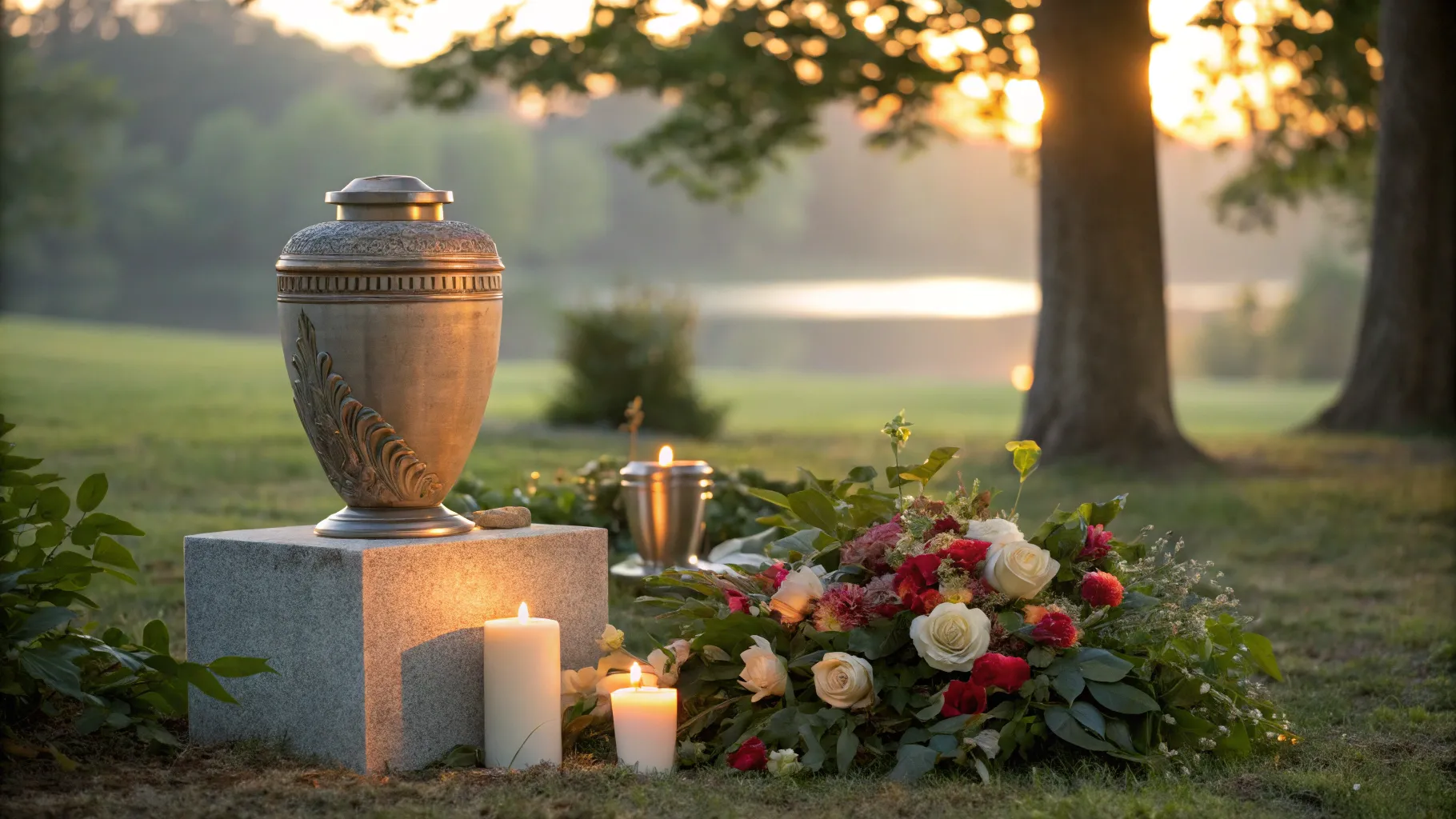
Cremation Benefits and Flexibility
One of the most significant advantages of cremation is its flexibility. Families have more options regarding memorial services and the final resting place of the remains. With traditional burial, the process is largely confined to a cemetery setting, but cremation allows for an array of choices:
- At-Home Displays: Families can hold memorial services at home, utilizing the ashes in personalized urns.
- Scattering Ceremonies: Ashes can be scattered in a meaningful location, such as a favorite outdoor spot or a place that held special memories.
- Cremation Gardens: Many cemeteries now offer cremation gardens, dedicated spaces for families to honor their loved ones.
Such versatility allows families to tailor the memorial experience to reflect the personality and preferences of the deceased. According to recent surveys, 65% of those who chose cremation reported feeling a sense of satisfaction with the way they were able to personalize the memorial experience.
Cost of Cremation
Financial considerations play a crucial role in the decision to choose cremation over burial. On average, the cost of a cremation service is significantly lower than that of a traditional burial. As of early 2025,cremation services typically range from $1,000 to $3,500, whereas burial costs can easily exceed $7,000 when factoring in casket, plot, and service fees. The sharp disparity in expenses makes cremation an appealing option for families looking to honor their loved ones while also being mindful of their financial constraints.
Moreover, there are no ongoing costs associated with cemetery maintenance or annual burial plot fees, which can add to the overall financial burden of traditional burials.
Cremation vs Burial: Environmental Impact
As awareness about environmental sustainability grows, many are also considering the ecological implications of their final choices. Cremation is generally regarded as a more environmentally friendly option compared to traditional burial. Conventional burials involve the use of caskets often made of hardwood or metal, along with embalming chemicals that can seep into the ground. In contrast, cremation typically has a lower carbon footprint, as it does not require land use or materials that can take years to decompose.
A 2024 study found that cremation reduces material waste and soil disruption, aligning with the values of environmentally-conscious individuals. Additionally, many crematories are adapting to modern trends by implementing more energy-efficient processes, enhancing the appeal of cremation as a green alternative.
Memorial Service Options with Cremation
Cremation provides families with unique opportunities for creative memorial services. From intimate gatherings to grand celebrations, families can choose a format that best represents their loved ones. Popular options include:
- Memorial Receptions: A relaxed gathering where stories and memories can be shared, often with elements like food and music.
- Virtual Services: In today’s digital age, many families opt for online memorial services that allow participation from anywhere in the world.
- Themed Tributes: Families may choose themes that highlight the deceased's passions, such as travel, sports, or art.
This flexibility not only caters to various family dynamics but also opens up new avenues for honoring lives in ways that resonate on a personal level.
Urn Options and Personalization
The choice of urn is another significant factor in the cremation process. Modern cremation trends show that families have access to a wide array of urn options, which go beyond traditional designs. Urns can be personalized with engravings, photos, or even made from biodegradable materials for those wishing to leave a minimal environmental footprint. Some families opt for unique items like:
- Artistic Urns: These can be sculptures or works designed to beautifully memorialize the deceased.
- Living Urns: A growing trend sees ashes incorporated into a mix that allows families to plant a tree or other flora, creating a living tribute.
Such personalization reflects the individual’s life and provides a meaningful way for families to remember their loved ones long after they are gone.
Planning for Cremation
In recent months, there has been an observed rise in awareness surrounding pre-planning for cremation services. This proactive approach not only eases the burden on grieving families but also allows individuals to communicate their wishes clearly. Resources for planning begin with:
- Conversations: Open discussions among family members help clarify preferences and expectations.
- Funeral Homes: Many providers now offer detailed planning services to guide families through their options.
The earlier these conversations start, the more comfortable families will be with their decisions. In fact, surveys indicate that 78% of individuals who pre-plan their cremation services express relief knowing their wishes are documented and will be honored.
Engaging with these choices promotes a sense of control during a difficult time and helps families navigate the emotional complexities of loss.
Cremation is more than just a method of disposition; it represents a profound choice that reflects personal values, financial considerations, and the desire for a meaningful tribute. As we progress through 2025, understanding the many dimensions of cremation continues to provide invaluable insight for families seeking to honor their loved ones in a way that resonates on all levels.
Authored by FreshLifeWire team