Discover Artificial Grass Benefits and Installation Tips
Artificial Grass: Benefits, Installation, and Maintenance Made Easy
As we navigate through the year 2025, the allure of artificial grass continues to captivate homeowners, businesses, and municipalities alike. Artificial grass, commonly known as synthetic turf, offers numerous benefits that make it an appealing alternative to natural grass. One significant advantage is its low-maintenance nature. Unlike traditional lawns, synthetic turf does not require mowing, watering, or the use of fertilizers, which translates into considerable savings in both time and money. Recent statistics show that homeowners can save up to 60% on lawn maintenance costs by opting for artificial grass.
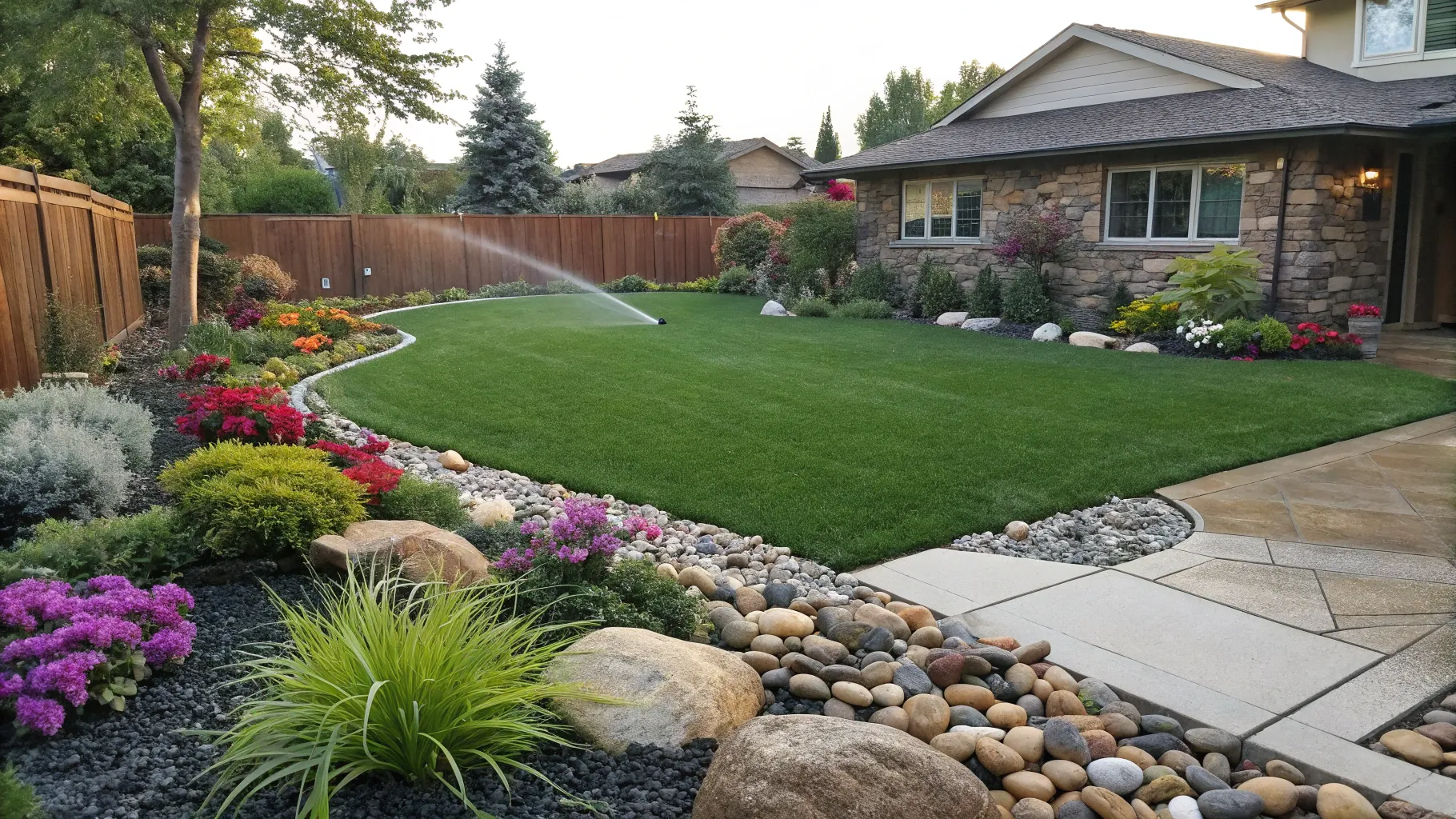
This year, the environmental impact of artificial turf installation is also being recognized more than ever. Eco-friendly artificial grass is designed to eliminate the use of harmful pesticides and herbicides that often accompany natural grass maintenance. Furthermore, it helps conserve water—a critical resource that has seen increased scarcity in many regions. For example, studies from the last six months reflect that synthetic turf can save an average family nearly 50,000 gallons of water annually, making it a smart choice in areas with low rainfall.
Steps for Installing Synthetic Turf
If you’re considering taking the plunge into synthetic turf installation, understanding the steps involved is crucial. Below is a synthetic turf installation guide that breaks down the process into manageable stages:
- Step 1: Planning Your Space - Begin by measuring your lawn area to determine how much artificial grass is needed. It’s advisable to sketch a simple plan of the layout.
- Step 2: Gather Materials - Collect all necessary materials which include a weed barrier, infill materials, and the artificial grass itself. Quality products often ensure better durability and appearance.
- Step 3: Prepare the Ground - Proper ground preparation involves removing existing grass and weeds, then leveling the soil. This foundational step is vital for a successful installation.
- Step 4: Install a Base Layer - Lay down a compacted base of crushed stone or gravel for drainage. This layer helps prevent water from pooling beneath the grass.
- Step 5: Add Weed Barrier - To prevent weed growth, install a fabric weed barrier over the base layer, providing an additional protective layer.
- Step 6: Roll Out the Turf - Place the artificial grass over the area, ensuring it fits snugly and aligns properly with the edges. Make sure to cut excess grass for a fine finish.
- Step 7: Secure the Edges - Use turf adhesive or nails to secure the edges and seams of the artificial grass. This helps with stability and avoids any lifting.
- Step 8: Infilling - Finally, apply an infill material, such as silica sand or rubber, to enhance durability and provide a natural feel underfoot.
Low-Maintenance Tips for Artificial Grass
One of the leading attractions to artificial grass is how little upkeep it requires. Homeowners in 2025 are prioritizing low-maintenance artificial grass tips, such as:
- Regular Brushing - Use a broom or stiff brush to keep the fibers standing tall and looking fresh. This is particularly helpful in areas with heavier foot traffic.
- Rinsing - Occasionally rinse the turf with water to remove dust, debris, and allergens. This helps maintain the grass's vibrant color and cleanliness.
- Spot Cleaning - For any spills or stains, use a mild soap solution and water. Spot cleaning prevents odors and keeps your lawn looking pristine.
- Sharpening Edges - Keep an eye on the edges of your turf. If you notice they are lifting or fraying, address it immediately to prevent further issues.
Artificial Turf Maintenance Routine
It’s important to develop a consistent artificial turf maintenance routine to enjoy your space fully. In this regard, recent trends suggest a comprehensive routine may look something like this:
- Weekly: Brush and look for any debris that needs removal.
- Monthly: Inspect looking for any loose seams or edges that may need reattaching.
- Quarterly: Conduct a thorough rinse to eliminate dirt buildup.
- Seasonally: Deep cleaning by using a special turf maintenance product may be beneficial, especially in high pollen seasons.
Eco-Friendly Artificial Grass Advantages
With a strong push towards sustainability, the eco-friendly benefits of artificial grass are being increasingly highlighted. Beyond water savings, many types of synthetic grass are now made from recycled materials, promoting a greener planet. Manufacturers are continually innovating, producing turf that looks even more natural while also being virtually recyclable at the end of its life cycle.
Additionally, in regions experiencing climate change-related droughts, artificial grass serves as a reliable landscaping option. It remains lush and green regardless of harsh weather conditions. This durability not only enhances aesthetic value but also can improve property values. Homeowners relishing their waterless lawns can take pride in the environmentally responsible choices they make, setting a responsible example in their communities.
In summary, the benefits of artificial grass are undeniable in today’s environmentally conscious society. With a proper installation guide and a low-maintenance upkeep plan, synthetic turf has never been more accessible or appealing. Dive into the world of artificial grass and reap the rewards of a beautiful, environmentally friendly lawn.
Authored by FreshLifeWire team