Discover 3D Printed Home Technology Trends for 2025
Transforming Living Spaces with 3D Printed Home Technology
As we delve deep into 2025, the landscape of housing has undergone a revolutionary shift, significantly influenced by 3D printed home technology. Imagine a world where homes can be crafted in a matter of days rather than months, all while being environmentally sustainable and cost-effective. This technology is not merely a futuristic concept but a present-day reality transforming how we think about building our living spaces.
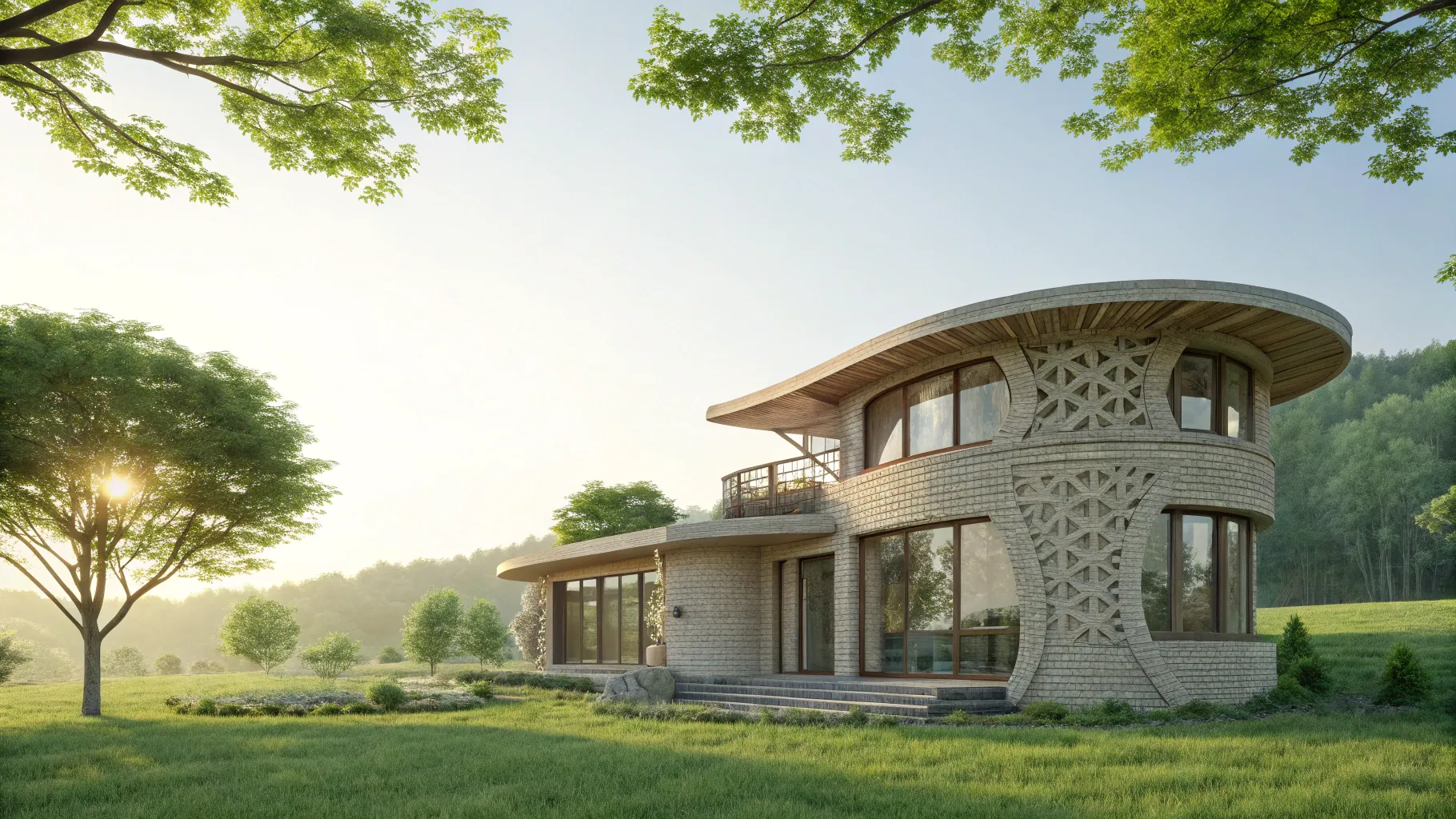
The Rise of 3D Printed Homes
In the past few years, the adoption of 3D printed home technology has accelerated dramatically. With advancements in materials and printing techniques, companies are now capable of creating homes that are not only durable but also aesthetically pleasing. A recent report from the International Academy of Robotics highlights that there has been a 40% increase in projects utilizing 3D printing for residential buildings over the last year alone.
For instance, companies like ICON and Apis Cor have made headlines by successfully completing homes in under 24 hours. The use of specialized printing materials, often based on concrete mixtures designed for stability and insulation, has proven pivotal. This has enabled builders to adhere to stringent building codes while minimizing waste, making these homes not just innovative but also viable.
Understanding the Cost of 3D Printed Homes
One of the most attractive features of 3D printed home technology is the cost savings associated with it. Traditional home constructions can often exceed hundreds of thousands of dollars, while 3D printed houses are priced significantly lower. For example, the average cost of a 3D printed home today is around $100,000, depending on the size and design. This figure is remarkable considering that it might take only a fraction of the time and labor required for conventional housing.
- Reduced labor costs: Because printing can be automated, the need for a large workforce diminishes.
- Minimal material waste: Traditional construction often leads to excess materials, while 3D printing uses only what is necessary.
- Faster completion time: Homes can go from blueprint to finished structure in as little as 24 hours.
The affordability of these homes has led to increasing interest from various sectors, including governments looking to provide housing solutions for underprivileged communities. For instance, projects in Texas have demonstrated how affordable 3D printed homes can be instrumental in addressing housing shortages in rapidly urbanizing areas.
The Types of 3D Printed Home Technology
3D printed home technology encompasses several methods that cater to different needs and environments. Here are some prominent types being utilized:
- Concrete 3D printing: This is the most common form, employing concrete mixtures for structural integrity. It’s particularly suited for single-family homes or small apartment complexes.
- Modular printing: In this method, individual components of the home are printed separately and assembled on-site, offering flexibility in design and adaptability to different land types.
- Bio-printing: An innovative approach that involves using organic materials, like mycelium or recycled plastics, to create eco-friendly homes, highlighting a commitment to sustainability.
As more developers explore these variations, new possibilities for customization and environmental harmony emerge, ensuring that future builds reflect personal styles and values.
The Future of 3D Printed Housing
Looking ahead, the future of 3D printed housing only appears brighter. With ongoing advancements in AI and robotics, we are on the verge of a new era in home construction. Future innovations promise even more astonishing results, such as the capability to integrate smart technology directly into 3D printed structures, providing enhanced living functionalities through automation.
Moreover, heightened focus on sustainable living and urbanization indicates that 3D printed homes will play a critical role in meeting the housing demands of growing populations in cities worldwide. Research from the National Home Builders Association suggests that by 2027, about 30% of new homes built will utilize some form of 3D printing.
Moreover, the ecological footprint of traditional construction is often overshadowed by opportunities for green building. By focusing on efficient resource usage and sustainable energy implementations, 3D printed homes are paving the way for more environmentally friendly living. The carbon emissions from traditional building methods are typically significant; however, studies indicate that 3D printed houses can reduce overall contributions to climate change by up to 60%. This is a game changer for eco-conscious consumers and builders alike.
Real-World Examples and Case Studies
Several examples around the world illustrate the successful integration of 3D printed home technology. In Mexico, a nonprofit organization has constructed several affordable homes using 3D printing to help families in less economically developed areas. These homes have not only provided shelter but have also fostered community cohesion, establishing safe spaces for vulnerable populations.
In Europe, companies are experimenting with stacking modules to create multi-story residential units, maximizing land use in urban settings while introducing innovative living spaces. The design flexibility of 3D printing allows architects and builders to push the boundaries of conventional designs, leading to imaginative solutions in densely populated areas.
As we continue to witness the rise of 3D printed homes, it becomes clear that this technology is addressing both immediate and long-term housing challenges. With increasing acceptance and support from governmental policies, coupled with a global push for sustainability, the next few years will likely showcase even more transformative developments in the realm of housing. As 2025 unfolds, the promise of affordable, rapid, and environmentally friendly homes is not merely a dream—it's a growing reality.
Authored by FreshLifeWire team