Differences Between Atopic Dermatitis and Eczema Explained
Understanding the Difference Between Atopic Dermatitis and Eczema
Are you battling a persistent rash and unsure whether it's atopic dermatitis or simply another type of eczema? You're not alone in this confusion. Many people mistakenly use these terms interchangeably without realizing the distinct characteristics that set them apart. Today, we will delve into the connection between these skin conditions, the variations in their symptoms, and the treatment options that can help manage them effectively.
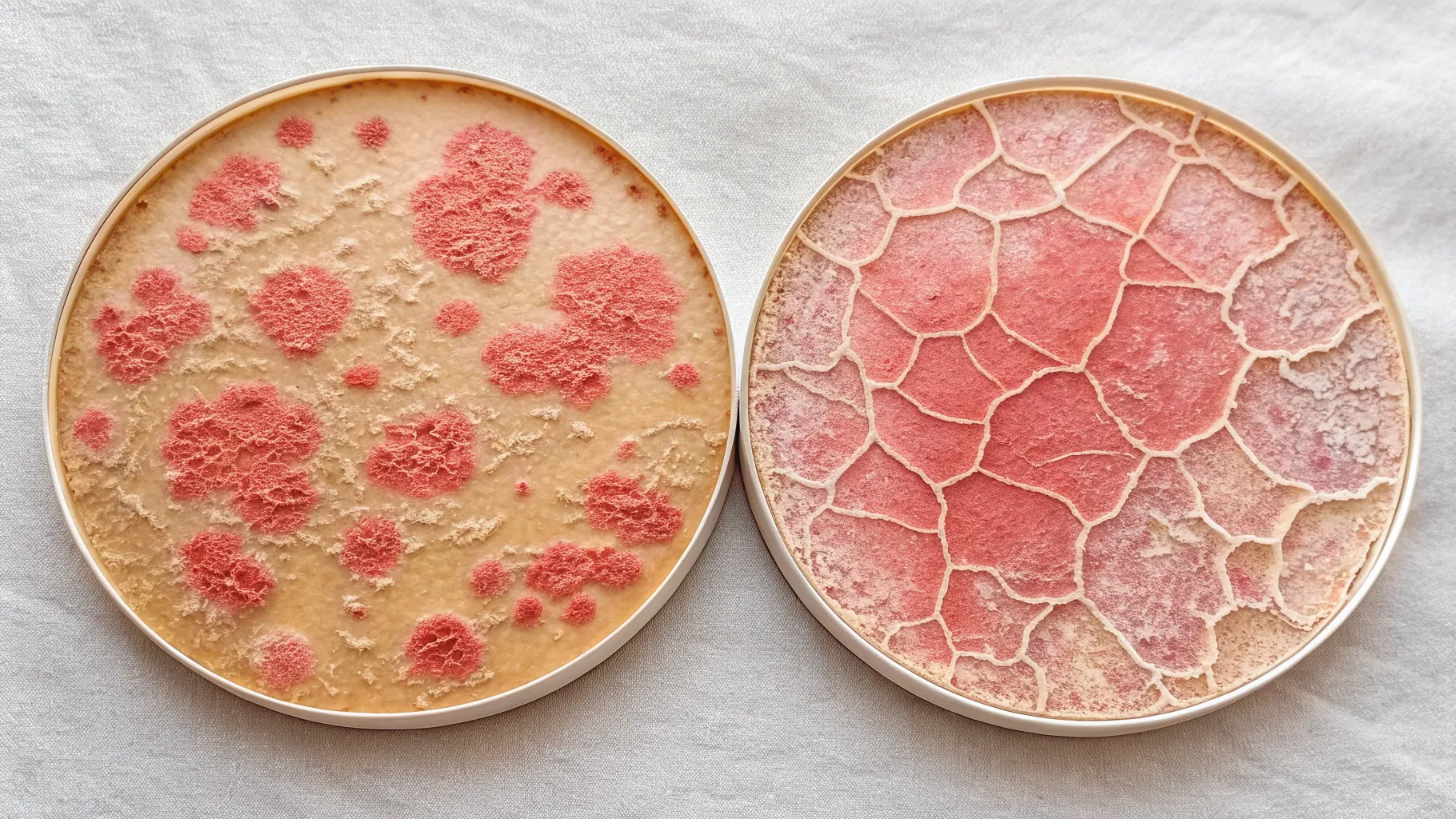
How Do Symptoms of Atopic Dermatitis and Eczema Differ?
To clarify, atopic dermatitis is a specific category within the broader umbrella of eczema, which encompasses a variety of inflammatory skin conditions. These can include contact dermatitis, dyshidrotic eczema, and nummular eczema, among others. While many symptoms overlap, there are key differences worth noting.
Symptoms of Atopic Dermatitis
- Persistent and severe itching that is often worse at night
- Dry, scaly patches that typically appear on the hands, feet, wrists, neck, and the inside of elbows or knees
- Red to brownish-gray patches, which can be more prominent in individuals with darker skin tones
- The skin may become thickened and cracked due to constant scratching
- Small raised bumps can develop, sometimes leaking fluid when scratched
Atopic dermatitis frequently begins in childhood and may continue or reappear in adulthood. Remarkably, about 18% of children and around 7% of adults are currently diagnosed with this condition, highlighting its prevalence across populations.
Symptoms of Other Types of Eczema
- Contact Dermatitis: This form is characterized by localized redness and swelling after contact with irritants or allergens.
- Dyshidrotic Eczema: Presents as small, itchy blisters particularly on the hands and feet, often aggravated by humidity or stress.
- Nummular Eczema: Appears as coin-shaped patches of irritated skin that can be intensely itchy, commonly seen in colder months.
While all types of eczema can involve itching, atopic dermatitis is distinct because of its chronicity and specific pattern of skin involvement. Understanding these nuances is crucial in managing your skin condition effectively.
Identifying Atopic Dermatitis vs Other Eczema Types
Healthcare professionals utilize a variety of methods to differentiate atopic dermatitis from other eczema forms. This includes reviewing patient histories, assessing symptoms, and sometimes performing patch testing to detect potential allergens. Here are some essential factors that help distinguish atopic dermatitis:
- History of Allergies: Individuals with atopic dermatitis frequently have a personal or family history of allergies, asthma, or hay fever. In contrast, other eczema types often lack this background.
- Trigger Identification: In contact dermatitis, it's easier to identify specific irritants or allergens, unlike atopic dermatitis which may be triggered by multiple factors.
- Age of Onset: Atopic dermatitis commonly begins in infancy or early childhood, whereas other eczema forms can surface at any life stage.
Advancements in dermatological practices, particularly in 2025, have led to enhanced skin patch testing techniques that provide a clearer understanding of allergies, paving the way for tailored management strategies.
Treatment Approaches: Atopic Dermatitis Versus Other Eczema Types
When it comes to treatment, the approach largely hinges on the type of eczema diagnosed. For those facing atopic dermatitis, comprehensive management strategies are often necessary due to its chronic nature and variability in symptoms.
Treatment for Atopic Dermatitis
If you're dealing with atopic dermatitis, several treatment options can help:
- Moisturizers: Regularly using emollients is critical for maintaining skin hydration and preventing dryness.
- Topical Steroids: Corticosteroid creams can effectively reduce inflammation during flare-ups and are a key component of treatment.
- Immunomodulators: Non-steroidal creams, like tacrolimus and pimecrolimus, can help ease the immune response and are often effective for more sensitive areas of skin.
- Biologics: As of 2025, exciting new biologic therapies targeting specific inflammatory pathways are available, showing over 75% efficacy in moderate to severe cases of atopic dermatitis, making them a breakthrough treatment option.
Effective management may also entail avoiding known triggers and maintaining a strict skincare regimen to support skin health.
Treatment for Other Types of Eczema
In contrast, the treatment for other forms of eczema is generally centered around identification and avoidance of triggers:
- Avoiding Irritants: The first line of defense in contact dermatitis is avoiding known allergens or irritants.
- Antihistamines: Over-the-counter medications like diphenhydramine can be valuable for managing itching and discomfort.
- Topical Corticosteroids: Similar to atopic dermatitis, topical steroids remain effective for reducing inflammation in various eczema conditions.
For those experiencing dyshidrotic eczema, simple interventions such as soaking the affected areas and applying cool compresses can provide significant relief. It's crucial for all eczema sufferers to ensure a consistent skincare routine to strengthen their skin barrier and minimize future flare-ups.
The Importance of Professional Diagnosis
If you're suspecting that you have atopic dermatitis or another type of eczema, professional medical evaluation is essential. A healthcare provider can help determine the exact nature of your skin condition through comprehensive analysis, including physical examinations and relevant tests. Accurate diagnosis, combined with an informed approach, is vital for effective management of your condition.
Staying well-informed about skincare options, understanding your unique triggers, and adhering to professional advice can significantly enhance your quality of life. The path to effective eczema management may have its challenges, but with the right tools and consistent care, leading a comfortable life is absolutely achievable.
Authored by FreshLifeWire team