Diet and Lifestyle Tips After Stent Placement for Heart Heal
Diet after Stent Placement What You Need to Know
Undergoing a stent placement is a significant milestone in managing heart health, and it's vital to optimize your recovery with a heart-healthy diet. As we navigate through 2025, nourishing your body with the right foods can boost recovery and substantially lower the risk of future heart problems. When arteries are widened through stenting, focusing on a balanced diet that enhances blood flow is key.
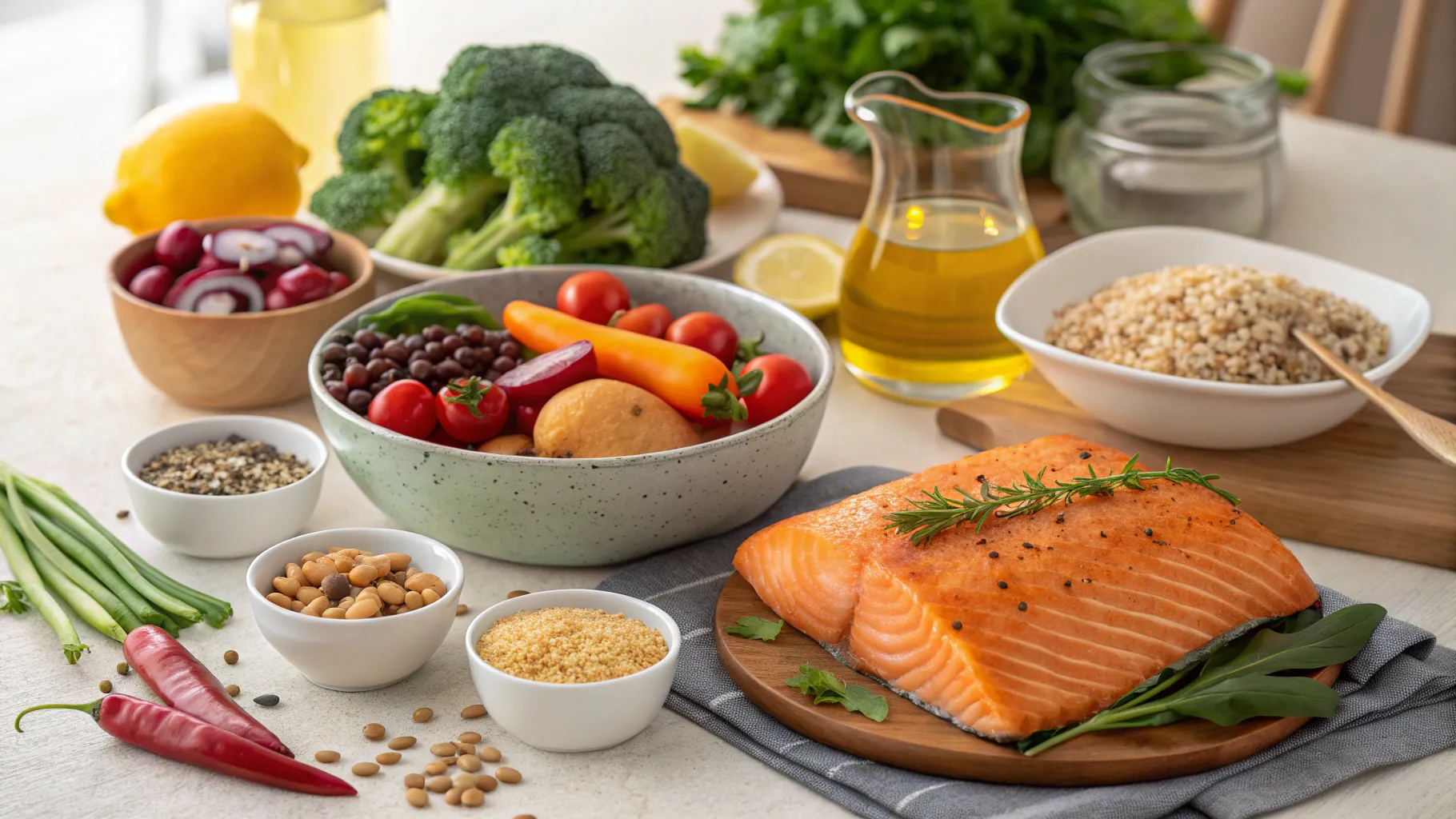
A Mediterranean diet is increasingly recommended due to its heart-friendly properties. This dietary pattern emphasizes whole foods and limits red meat and processed products, thereby enhancing cardiovascular health. It includes a variety of fruits, vegetables, whole grains, lean protein sources, and healthy fats. Numerous studies conducted over the past few months have shown that individuals who adopt this lifestyle often experience faster recovery times and improved overall wellbeing.
Switching to a Mediterranean style of eating encourages mindfulness about food choices, which can lead to gradual but impactful changes in one’s health. Research indicates that individuals adhering to this diet framework show improved heart function and lower cholesterol levels, vital for those who have undergone stent placements.
Essential Nutrients for Optimal Recovery
- Fiber: Including fiber-rich foods in your post-stent diet is crucial as they help lower cholesterol and support heart function. Consider adding beans, whole grains, fruits, and vegetables to your meals.
- Omega-3 Fatty Acids: These healthy fats are pivotal for reducing inflammation in the body and can be found in fatty fish like salmon, walnuts, and flaxseeds. Regular consumption can enhance cardiovascular wellness.
- Antioxidants: Foods like berries, dark chocolate, and green tea are packed with antioxidants, which combat oxidative stress and promote heart health. Incorporate these into your snacks and meals for a tasty, healthy boost.
- Potassium: Essential for managing blood pressure, potassium-rich foods such as bananas, sweet potatoes, and leafy greens should be staples in your diet.
In addition to these nutrients, staying hydrated is equally important. Daily hydration supports bodily functions and assists in the digestion of fiber, making it easier for your body to adjust to new eating habits.
Physical Activity after Stent Placement
Alongside a nutritious diet, engaging in regular physical activity is fundamental for recovery following stent placement. As many cardio specialists assert, starting slow is paramount. Light exercises like walking are ideal for all post-stent patients, allowing you to build stamina without overdoing it. There’s compelling evidence presented this year that shows patients who follow a structured exercise program experience quicker recoveries and better long-term outcomes.
Programs for cardiac rehabilitation are widely available and tailored to individual needs, helping you regain your strength under professional guidance. According to recent guidelines from the American Heart Association, patients can often resume low-impact activities just days after their procedures. A 20 to 30-minute walk each day is recommended to enhance cardiovascular fitness while managing your energy levels.
Always pay attention to your body. It’s crucial to be aware of any signs indicating that you may be overexerting yourself. If unusual symptoms such as chest pain, excessive fatigue, or shortness of breath occur, consult your healthcare provider immediately. Regular exercise not only boosts physical health but also plays a significant role in alleviating the anxiety and stress that can accompany heart surgery.
Medications Following Stent Placement
After your stent placement, being diligent with prescribed medications is essential. Most patients are given antiplatelet medications like aspirin or clopidogrel to prevent blood clot formation around the stent. It’s imperative to adhere to your healthcare provider’s instructions regarding these medications, as improper use can lead to serious consequences, including heart attacks and stent thrombosis.
In addition to antiplatelet therapy, you may also be prescribed drugs aimed at controlling blood pressure and cholesterol levels. Regular follow-ups with your doctor are crucial to adjust these medications to support ongoing heart health. As your body heals, your medication needs may change, and keeping an open dialogue with your healthcare team will help you remain healthy.
What to Avoid after Stent Placement
Being aware of what not to include in your recovery process is just as vital as knowing what to do. Here are some key recommendations for making your transition to heart health smoother:
- Avoid Highly Processed Foods: These products often contain unhealthy fats, added sugars, and excessive sodium, which can exacerbate heart conditions. Instead, favor whole, minimally processed foods.
- Limit Salt Intake: High sodium consumption can elevate blood pressure, which is particularly harmful to heart health. Read labels carefully and be cautious of hidden salts in packaged foods.
- Steer Clear of Trans Fats: Commonly found in fried foods and some margarines, trans fats can significantly increase the risk of heart disease and should be eliminated from your diet.
- Reduce Alcohol Consumption: Moderation is key. While some studies suggest that light alcohol consumption may offer benefits, keeping your intake low helps maintain heart health.
- Quit Smoking: Seeking assistance to quit smoking is crucial. The damaging effects on heart health are well documented, and quitting can help enhance recovery post-stent.
By committing to a heart-healthy diet, incorporating regular physical activity, carefully managing medications, and avoiding harmful habits, you can dramatically bolster your health and recovery after stent placement. Patients this year have reported significant improvements in how they feel by adopting these changes, setting a foundation for a vibrant life ahead. Remember, informed choices today lay the groundwork for long-term heart health tomorrow.
As 2025 unfolds, many individuals are taking charge of their health journeys, witnessing firsthand the benefits of conscious living and proper self-care post-stent placement.
By understanding and implementing these dietary and lifestyle adjustments, you're not just facilitating your recovery but actively investing in a healthier future.
Authored by FreshLifeWire team