How Diet Affects Autoimmune Disease and Healing
Can Diet Influence Autoimmune Disease
The connection between diet and autoimmune disease has gained significant attention in recent years. As more people begin to understand that what they eat can impact their health, the role of nutrition in managing autoimmune disorders is becoming a hot topic. Autoimmune diseases occur when the immune system mistakenly attacks the body’s own cells. Conditions like rheumatoid arthritis, lupus, and multiple sclerosis affect millions worldwide, and researchers are now exploring how diet can play a crucial role in their management.
Foods That Trigger Autoimmune Symptoms
For those living with autoimmune diseases, certain foods can trigger or exacerbate symptoms. One area of focus is inflammatory foods which can worsen inflammation in the body. Common culprits include:
- Gluten: Found in wheat, barley, and rye, gluten can disrupt gut health and may trigger autoimmune responses in predisposed individuals.
- Dairy: Many with autoimmune conditions report sensitivity to dairy products, which can contribute to inflammation and digestive issues.
- Sugar: High sugar intake can lead to increased inflammation and insulin resistance, worsening autoimmune symptoms.
- Processed foods: Foods high in preservatives, trans fats, and artificial ingredients can provoke inflammation and contribute to autoimmune flare-ups.
Recent studies suggest that individuals with autoimmune diseases should monitor their dietary habits closely. For example, a 2024 study revealed that nearly 70% of participants with rheumatoid arthritis reported improvements in symptoms after eliminating gluten and dairy from their diets. This highlights the importance of personalized nutrition in managing autoimmune disorders.
The Role of Gut Health in Autoimmune Disease
The gut is often referred to as the "second brain," and for good reason. It houses a vast network of bacteria that play a critical role in overall health, including immune function. Research indicates that the gut microbiome can significantly influence autoimmune diseases. An imbalance in gut bacteria, also known as dysbiosis, can lead to increased intestinal permeability, often referred to as "leaky gut". This condition allows toxins and undigested food particles to enter the bloodstream, triggering an immune response.
Recent findings show that modifying the diet can help restore gut health. For instance, a diet rich in fiber, fermented foods, and probiotics supports a healthy microbiome. Foods like yogurt, kefir, sauerkraut, and other fermented products enhance gut health by introducing beneficial bacteria. A well-balanced gut microbiome may help reduce inflammation and decrease autoimmune symptoms.
Nutrition Strategies to Manage Autoimmune Disorders
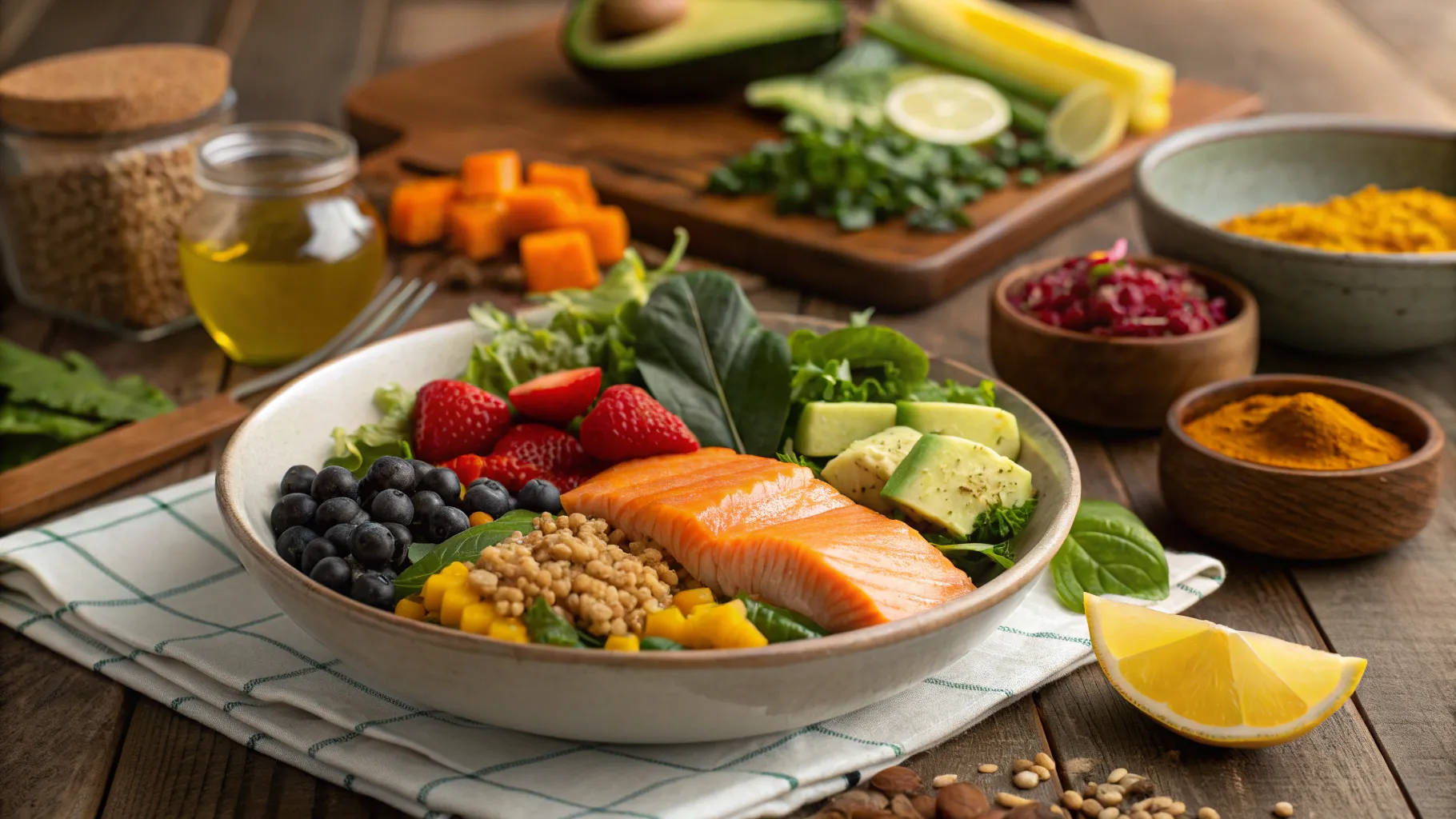
Implementing an anti-inflammatory diet can be a powerful strategy for managing autoimmune conditions. Emphasizing nutrient-dense foods and minimizing inflammatory ones can lead to a significant reduction in symptoms. Here are some effective nutrition strategies to consider:
- Increase Omega-3 Fatty Acids: Foods rich in omega-3s, such as fatty fish (like salmon and sardines), chia seeds, and walnuts, can help combat inflammation.
- Focus on Whole Foods: Prioritize a diet consisting of whole, unprocessed foods which are naturally nutrient-rich. Colorful fruits and vegetables provide antioxidants that can help fight free radicals in the body.
- Hydrate Wisely: Drinking plenty of water is essential, and herbal teas can offer additional anti-inflammatory benefits. Green tea, for example, is packed with polyphenols that may help modulate the immune response.
- Regularly Include Turmeric: This spice contains curcumin, a compound known for its anti-inflammatory properties. Adding turmeric to meals can enhance flavor while reducing inflammation.
In the past six months, new research has surfaced, indicating that individuals with autoimmune diseases who incorporate these dietary changes report improved energy levels and a decrease in flare-ups. Many are exploring how such a lifestyle shift can be sustainable long-term.
Research on Diet and Autoimmune Response
The scientific community is increasingly interested in how dietary patterns can influence autoimmune responses. Studies from 2024 demonstrate that dietary interventions can lead to changes in the immune profile of participants with various autoimmune disorders. One notable clinical trial observed individuals with lupus who adopted a Mediterranean-style diet high in omega-3s, fruits, and vegetables. This diet not only enhanced their overall health but also resulted in lower disease activity scores.
Another emerging area of interest is the connection between intermittent fasting and autoimmune conditions. Some recent findings suggest that fasting may reduce inflammation and promote autophagy, a process where cells remove damaged components. This could contribute to improved immune function, especially in persons with autoimmune diseases.
As the research continues to evolve, diet remains a pivotal consideration for those managing autoimmune diseases. By focusing on whole, nutrient-dense foods and reducing pro-inflammatory substances, many individuals are finding new ways to take control of their health. Each person's response to dietary changes can vary, so working with a healthcare professional, such as a registered dietitian, can provide personalized guidance tailored to individual needs.
In summary, while diet alone may not cure autoimmune diseases, it is clear that it plays a significant role in managing symptoms and improving quality of life. As we move forward into 2025 and beyond, the integration of nutrition in autoimmune disease management appears to be a promising avenue for both patients and healthcare providers alike. The journey towards better health is just a meal away!
Authored by FreshLifeWire team