Diarrhea in Children Causes Treatment and Prevention Guide
Understanding Causes of Diarrhea in Children
Diarrhea in children is a common issue experienced by many parents. It can escalate quickly into a serious concern, mainly due to the risk of dehydration. Recent studies from early 2025 reveal that up to 10% of pediatric visits now relate to gastrointestinal issues, with diarrhea being a significant part of that figure. Thus, understanding what causes this condition is crucial for effective management and prevention.
The Role of Viral Diarrhea
Viral infections stand out as one of the leading causes of diarrhea in children today. These infections often proliferate in communal settings such as schools and daycare centers, where children frequently come into contact with others. The most common form, viral gastroenteritis, referred to as stomach flu, leads to uncomfortable symptoms including watery stools, stomach cramps, and sometimes vomiting.
The rotavirus remains a major concern. Despite the advancements in vaccination campaigns over the last few years, many children continue to contract the virus, especially in under-vaccinated populations. A significant statistic from 2024 highlighted that cases of rotavirus infections spiked during winter months, underscoring the importance of immunization. Generally, viral diarrhea is self-limiting, but it is essential to monitor and maintain proper hydration during this time.
Exploring Other Causes of Diarrhea
While viral infections account for a large portion of cases, other factors can contribute significantly to a child's bout of diarrhea. Bacterial infections, frequently stemming from contaminated food or water, remain a concern. Foods known to harbor harmful bacteria include undercooked meats or unpasteurized dairy products. Such bacteria can inflict severe gastrointestinal distress, necessitating quick treatment.
In recent months, there's been a notable increase in cases linked to foodborne illnesses, as reported by health officials. This highlights the need for parents to remain vigilant about food safety at home and in public settings.
Medications, particularly antibiotics, can also lead to diarrhea by upsetting the delicate balance of gut flora in children. Children may experience diarrhea as a side effect, emphasizing the importance of being aware of this potential risk. Additionally, some children show sensitivities to certain foods, like lactose in dairy products. For these kids, consuming dairy can trigger gastrointestinal upset, leading to diarrhea.
Managing Diarrhea at Home
Managing diarrhea at home can often be effective, focusing largely on hydration. Ensuring that children stay well-hydrated is paramount during these episodes. Parents should encourage their kids to drink clear fluids such as water, broth, or oral rehydration solutions (ORS). These solutions are designed to replenish the essential electrolytes lost during diarrhea, creating a balance in the child's system.
- Hydration: Encourage children to take small sips of fluids regularly, even if they're not feeling thirsty.
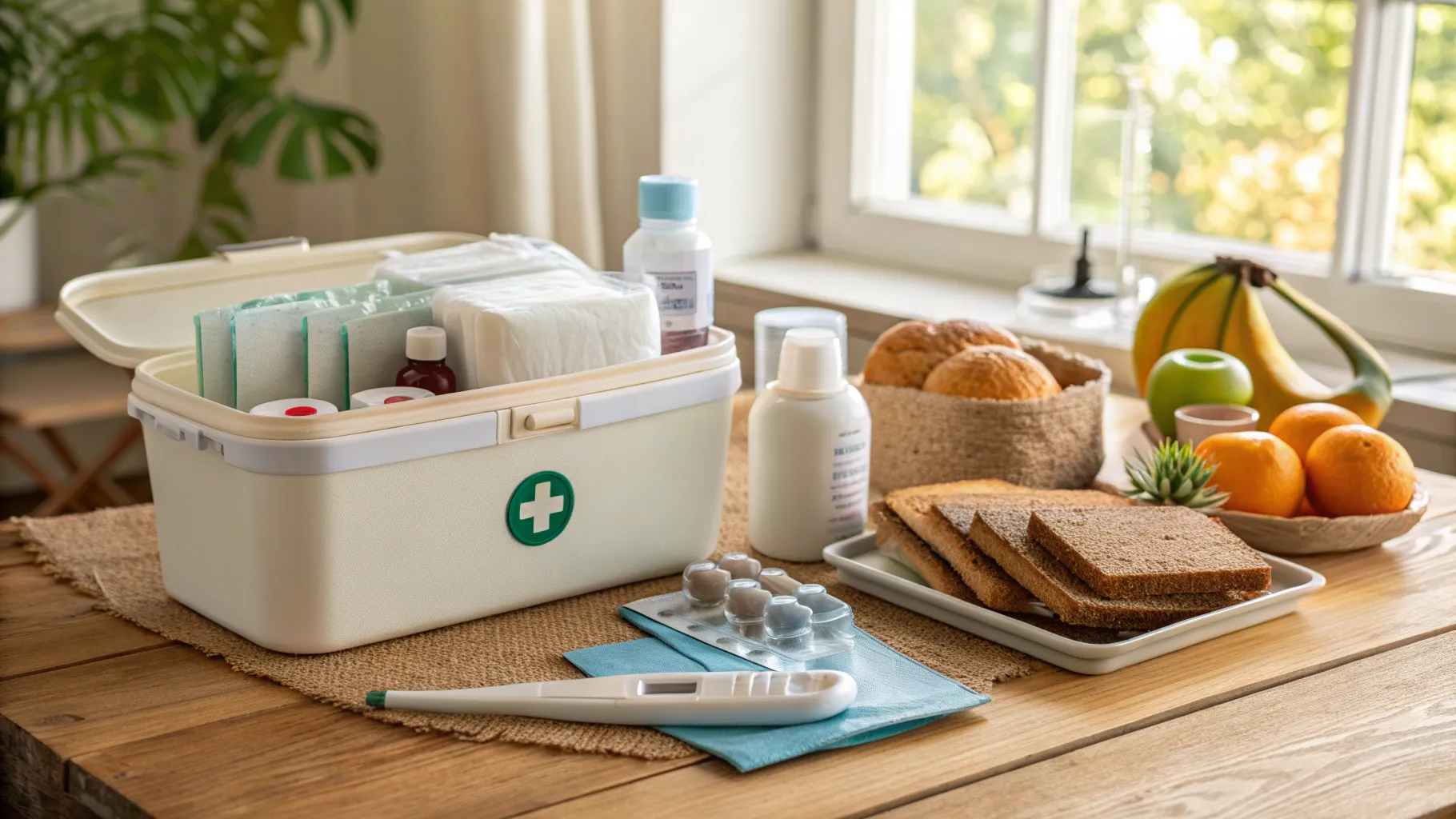
- Dietary Adjustments: Gradually introduce a bland diet emphasizing foods that are easy to digest like bananas, rice, applesauce, and toast, popularly known as the BRAT diet.
- Avoid Irritants: Steer clear of sugary drinks, carbonated beverages, and high-fat or spicy foods as these can worsen symptoms and prolong the discomfort.
For milder symptoms, these home treatments are usually sufficient. However, vigilance is crucial. Parents should monitor their child's condition closely, ready to escalate care if necessary.
When to Seek Medical Attention
Determining when to consult a healthcare professional is essential. Parents should be particularly observant if:
- The child is under six months of age and exhibits signs of diarrhea.
- Signs of dehydration are evident, such as dryness in the mouth, lack of tears, or infrequent urination.
- The diarrhea lasts more than 24 hours, indicating a potentially serious issue.
- Any presence of blood or mucus in the stool is noted.
- The child experiences a high fever, particularly if it reaches above 102°F (38.9°C).
Taking these signs seriously and seeking timely medical intervention can prevent complications, ensuring proper diagnostic and treatment pathways.
Preventing Diarrhea in Children
While it is challenging to entirely prevent diarrhea, especially considering how easily viruses spread, there are proactive steps parents can take to reduce their child's risk. First and foremost, promoting good hand hygiene is vital; consistent hand washing with soap, particularly after using the bathroom and before meals, can dramatically lower the chances of viral infections.
Vaccination has been shown to be an effective measure against severe cases of viral diarrhea. Keeping your child's vaccinations up-to-date, particularly the rotavirus vaccine, not only protects them but also contributes to community health.
Moreover, educating children on food safety practices is essential: washing fruits and vegetables, consuming well-cooked meats, and avoiding street food can help prevent bacterial infections that lead to diarrhea. These habits, once instilled in children, can lead to long-term prevention strategies.
Addressing Persistent Diarrhea in Children
Persistent diarrhea, defined as diarrhea that lasts longer than two weeks, necessitates a particular approach. This condition could signal underlying chronic issues such as irritable bowel syndrome, inflammatory bowel disease, or malabsorption syndromes. Such situations require thorough medical assessment and targeted treatment plans. Keeping a detailed record of a child’s dietary habits and symptoms can significantly aid healthcare providers in diagnosing underlying issues effectively.
Furthermore, consistently educating oneself and maintaining awareness of gut health and the significance of a well-balanced diet rich in fiber, probiotics, and vital nutrients can empower parents in managing and preventing gastrointestinal disturbances effectively.
Ultimately, diarrhea in children can be a frightening experience for parents. However, being informed about the conditions, causes, and management options can equip families to deal with these situations more confidently. Through proper hydration, awareness of symptoms needing medical attention, and fostering preventive measures at home, parents can help maintain their child's health and well-being.
Authored by FreshLifeWire team