Detect Glaucoma Early Signs Prevent Vision Loss
Detecting Glaucoma before It's Too Late: Unveiling Early Signs and Embracing Prevention in 2025
Glaucoma, notorious as the "silent thief of sight," continues to impact millions worldwide. As of 2025, a staggering 76 million individuals endure this condition, making it a leading cause of irreversible vision loss. Its insidious nature often leaves individuals unaware until significant damage has occurred. Therefore, understanding the early signs and implementing preventive measures is crucial in protecting your vision from this relentless adversary.
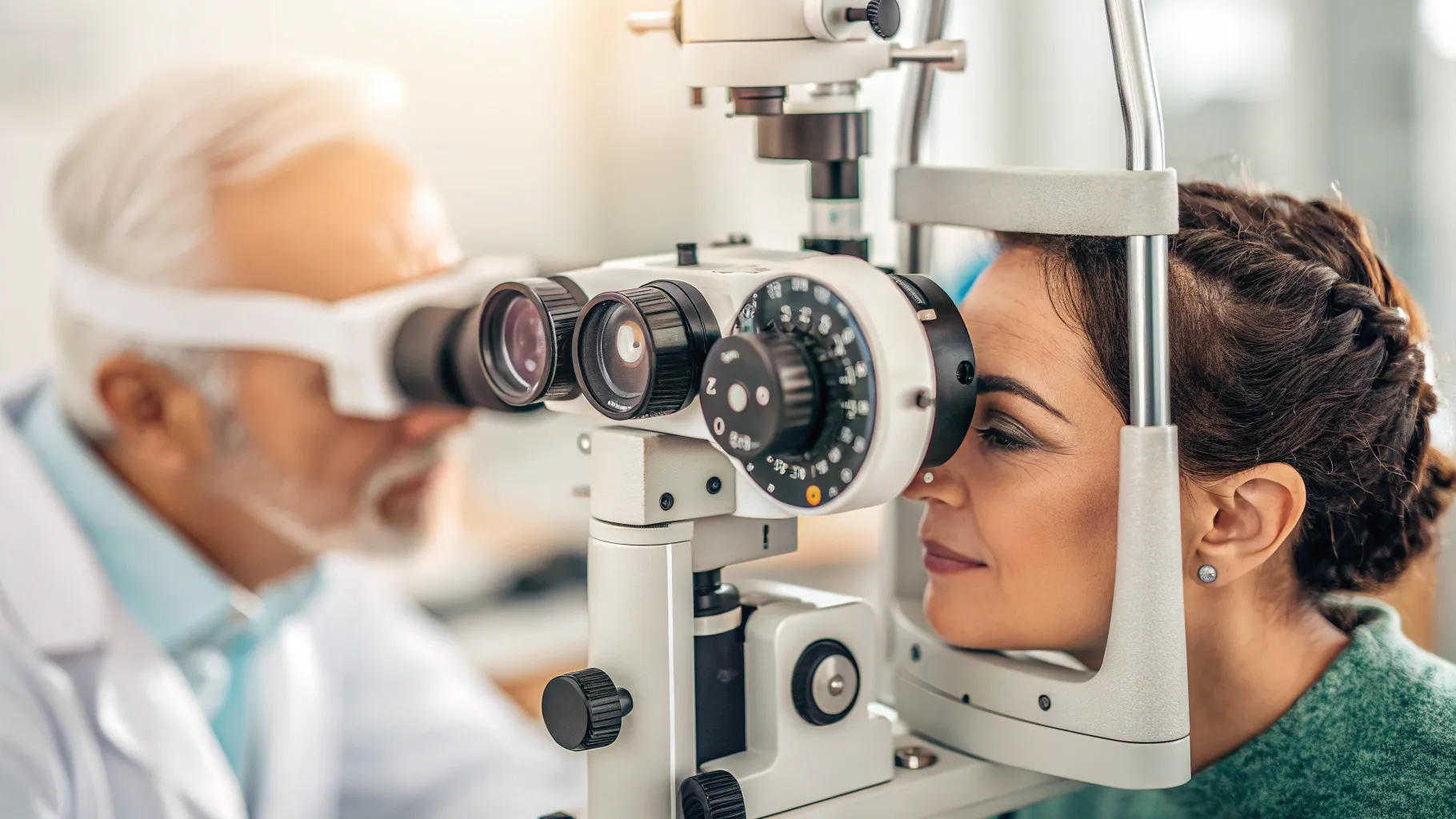
Recognizing Early Signs: Don't Ignore the Symptoms of Glaucoma
The subtle onset of glaucoma poses a significant challenge, notably in the most prevalent form, open-angle glaucoma. Individuals might experience no symptoms initially, and it’s often only when peripheral vision deteriorates substantially that they recognize a problem. Such a stealthy progression highlights the vital role of routine eye examinations in catching any early issues.
In glaucoma, increased intraocular pressure is frequently associated but not solely indicative. It's essential to recognize that those over 40, individuals with a family history of glaucoma, and people of African descent are at higher risk and should prioritize regular check-ups with their eye care professionals.
Some experience subtle signs early on, such as a gradual loss of peripheral vision, seeing halos around lights, or occasional blurry vision—symptoms not to be dismissed. Haloes, for example, originate from the way the eye increasingly struggles to adjust to different lighting conditions, misleadingly bending light and causing this effect.
Proactive Prevention: Steps to Safeguard Your Sight
Being proactive about eye health involves awareness and vigilance. For those over the age of 60, particularly within high-risk groups, comprehensive eye evaluations are non-negotiable. Early detection is pivotal, preventing permanent vision loss while allowing medical professionals to deploy necessary interventions at the early stages.
Integrating a healthy lifestyle is a foundation of prevention. Regular physical activity—whether it's walking, cycling, or practicing yoga—not only enhances overall health but also supports stable blood pressure and nurtures good eye health.
- Nutrition Matters: Prioritize a diet rich in fruits and dark leafy greens which nurture optic nerve health.
- Consistent Exercise: Helps to lower intraocular pressure, a critical component in managing eye health.
- Healthy Habits: Steer clear from smoking and over-caffeination, both known to increase ocular pressure and risk.
The rapid progress of technology offers an edge in early glaucoma detection. State-of-the-art techniques like Optical Coherence Tomography (OCT) provide detailed imaging of the optic nerve, offering eye care specialists a precise tool to detect glaucoma early.
Living with Glaucoma: Adapting and Thriving with the Condition
Even with proactive prevention, some may still confront glaucoma. Yet, living with the condition today involves multiple management options that continue to evolve. Prescription eye drops play a pivotal role in these strategies, effectively managing eye pressure to impede disease progression.
In advanced cases, surgical interventions or laser therapies might become necessary to maintain eye pressure and preserve remaining vision. These more invasive procedures can be transformative, allowing individuals to retain independence and quality of life.
Community support forms an integral part of life with glaucoma. Support networks, whether online or offline, provide camaraderie, enabling individuals to share experiences and derive comfort from collective wisdom.
Technological aids, including electronic magnifiers and vision-assistance software, empower individuals with glaucoma, enhancing their ability to manage day-to-day tasks independently. Additionally, home adaptations utilizing increased lighting and contrasting color schemes can ease navigation, ensuring safety and comfort.
Integrating these strategies within a robust support system serves to significantly enhance quality of life, emphasizing resilience and adaptability in the face of glaucoma. This fight against the "silent thief" is ongoing, yet with conscious efforts and modern advances, preserving sight remains an attainable goal for years to come.
Authored by FreshLifeWire team