Dental Implants Cost and Options for Seniors Over 70
Understanding Dental Implants for Seniors Over 70
As people age, maintaining oral health becomes a paramount concern, especially for seniors over 70. Studies reveal that nearly 70% of seniors experience tooth loss, which significantly impacts their quality of life. Dental implants offer a long-term solution for tooth replacement, allowing seniors to regain their confidence and restore functionality. In this article, we delve into the types, costs, and procedures associated with dental implants, specifically tailored for the elderly population.
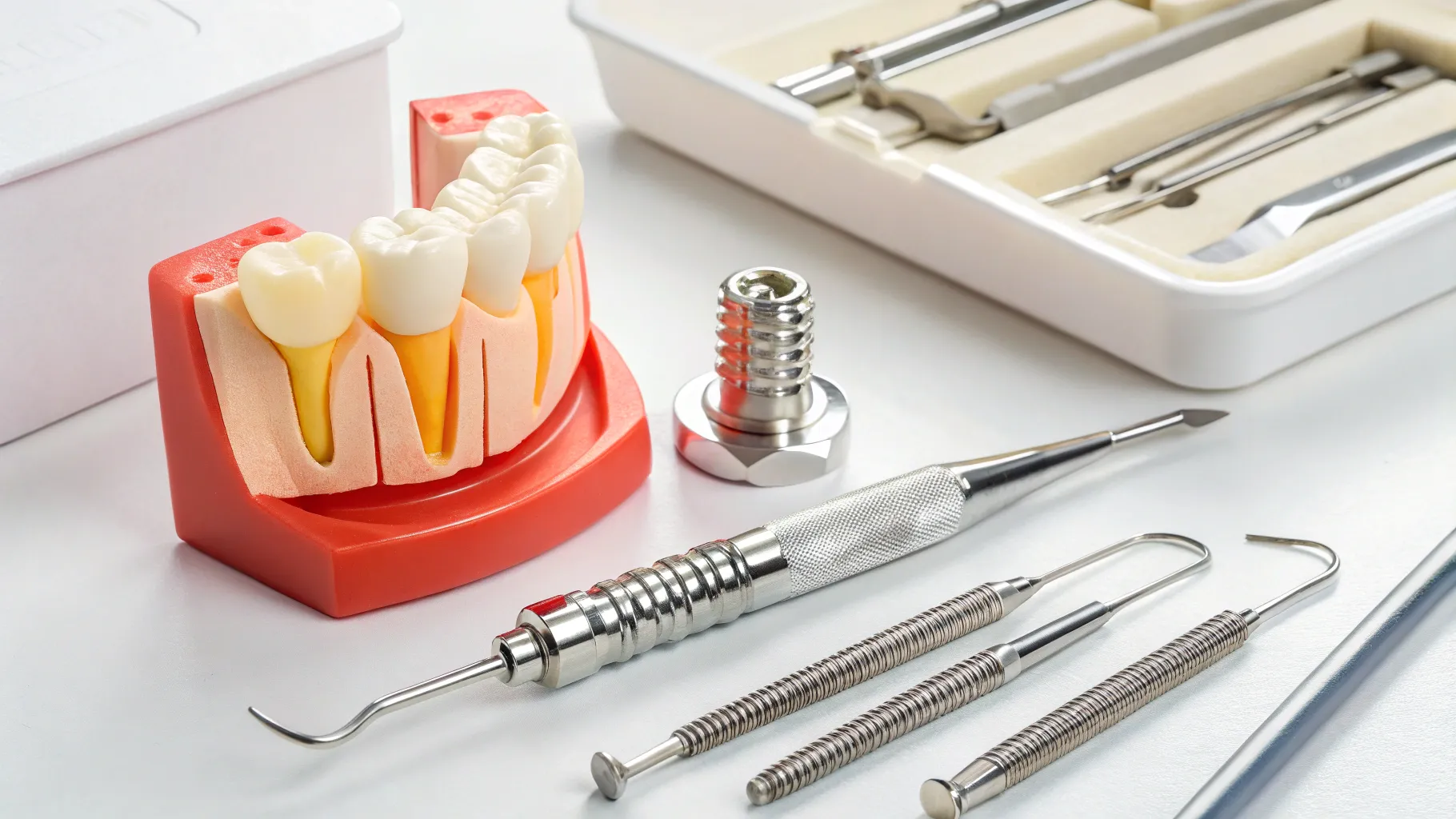
Types of Dental Implants Ideal for Seniors
Diverse options exist when it comes to dental implants. Understanding these can help seniors make informed decisions that cater to their specific health conditions.
- Standard Dental Implants: These are the most common type, comprising a titanium post implanted into the jawbone, which acts as the root for a replacement tooth. Ideal for those with sufficient bone density.
- Mini Dental Implants: Smaller in size, these implants are less invasive and can be beneficial for seniors with low bone volume. They are often used to stabilize dentures and provide a secure fit.
- Implants for Low Bone Volume: For seniors with significant bone loss, grafting is often necessary before implant surgery. However, innovative techniques, such as zygomatic implants, are now available, allowing implants to be anchored in the cheekbone, bypassing the need for bone grafts.
Choosing the right type of implant depends on individual circumstances, including overall health and bone structure. In recent months, many clinics have reported growing successes with mini implants, primarily due to their less invasive nature and quicker recovery times, making them an attractive option for the elderly.
Dental Implants Procedure: What to Expect
Undergoing a dental implant procedure can seem daunting, especially for those who may have underlying health issues. Here's a breakdown of the procedure specifically tailored for seniors.
The typical dental implants procedure involves several stages:
- Initial Consultation: Seniors should begin with a comprehensive evaluation by a dental professional who specializes in implants. This includes X-rays and CBCT scans to assess bone density and the overall oral environment.
- Surgical Procedure: During the surgery, local anesthesia is applied to ensure comfort. The implant post is inserted into the jawbone, which typically requires around an hour. Most clinics now utilize sedation dentistry to help ease anxiety during the operation.
- Healing Period: Post-surgery, a healing period of 3 to 6 months is necessary for osseointegration—the process by which the bone grows around the implant. Regular follow-ups help ensure appropriate healing.
- Placement of Abutment and Crown: Once healed, an abutment is connected to the implant, serving as a base for the crown. Finally, a personalized crown is affixed to complete the process.
With advancements in technology and techniques, the overall time and discomfort associated with the dental implants procedure has reduced significantly. Many dental clinics report high satisfaction rates among seniors who have undergone this treatment.
Cost Considerations for Dental Implants
The cost of dental implants can vary widely, typically ranging from $3,000 to $6,000 per implant, depending on factors like:
- Location: Dental costs vary significantly across different regions.
- Type of Implant: Standard implants are generally more expensive than mini implants.
- Surgeon’s Expertise: Highly experienced oral surgeons may charge more for their services.
- Additional Procedures: Seniors needing bone grafts or multiple implants may see their costs increase.
Many clinics offer financing options and payment plans, which can ease the financial burden. Additionally, some insurance plans may cover a portion of the costs, so it’s advisable for seniors to check their coverage details.
Recovery and Aftercare Tips
Post-procedure recovery plays a crucial role in the success of dental implants. Seniors are often concerned about the healing process, but here are some essential tips:
- Follow Dentist Instructions: Adhering to post-op care instructions is essential to prevent complications.
- Manage Pain and Swelling: Over-the-counter medications such as ibuprofen can help alleviate discomfort. Ice packs might also be recommended.
- Maintain Oral Hygiene: Gently brushing around the implant area can help promote healing, but seniors should avoid vigorous brushing until given the green light by their dentist.
- Regular Check-Ups: Continuous follow-ups are necessary to monitor the healing and integration of the implants.
Many seniors find that the pain associated with implants is minimal compared to the benefits of having a restored smile and improved chewing function.
Finding the Best Clinics for Dental Implants
Choosing the right clinic is crucial for seniors considering dental implants. Here’s how to go about it:
- Research & Reviews: Look for clinics with positive reviews from previous patients, especially seniors. Word of mouth can be particularly valuable in finding trusted options.
- Professional Credentials: Check the qualifications and experience of the dental team. Specialists in prosthodontics or oral surgery often yield better results.
- Technology & Techniques: Clinics investing in the latest technology typically offer better outcomes and more comfort for patients during procedures.
- Consultation: Take advantage of initial consultations to gauge the clinic’s atmosphere and ask questions about their approach to seniors.
In summary, dental implants are not just a functional solution—they can significantly enhance the quality of life for seniors over 70. With various types available and supportive care from clinics, the journey to a restored smile can lead to newfound confidence and improved well-being.
Authored by FreshLifeWire team