Decommissioned Military Vehicles A Collectors Guide
Exploring Decommissioned Military Vehicles for Collectors
In the captivating world of military history, decommissioned military vehicles appeal greatly to enthusiasts and collectors. These vehicles, once the powerhouses of military operations, now serve as relics of our past with rich stories and robust build quality, making them prized possessions for many. Collecting decommissioned military vehicles is not just about owning a piece of history; it's about preserving that history for future generations.
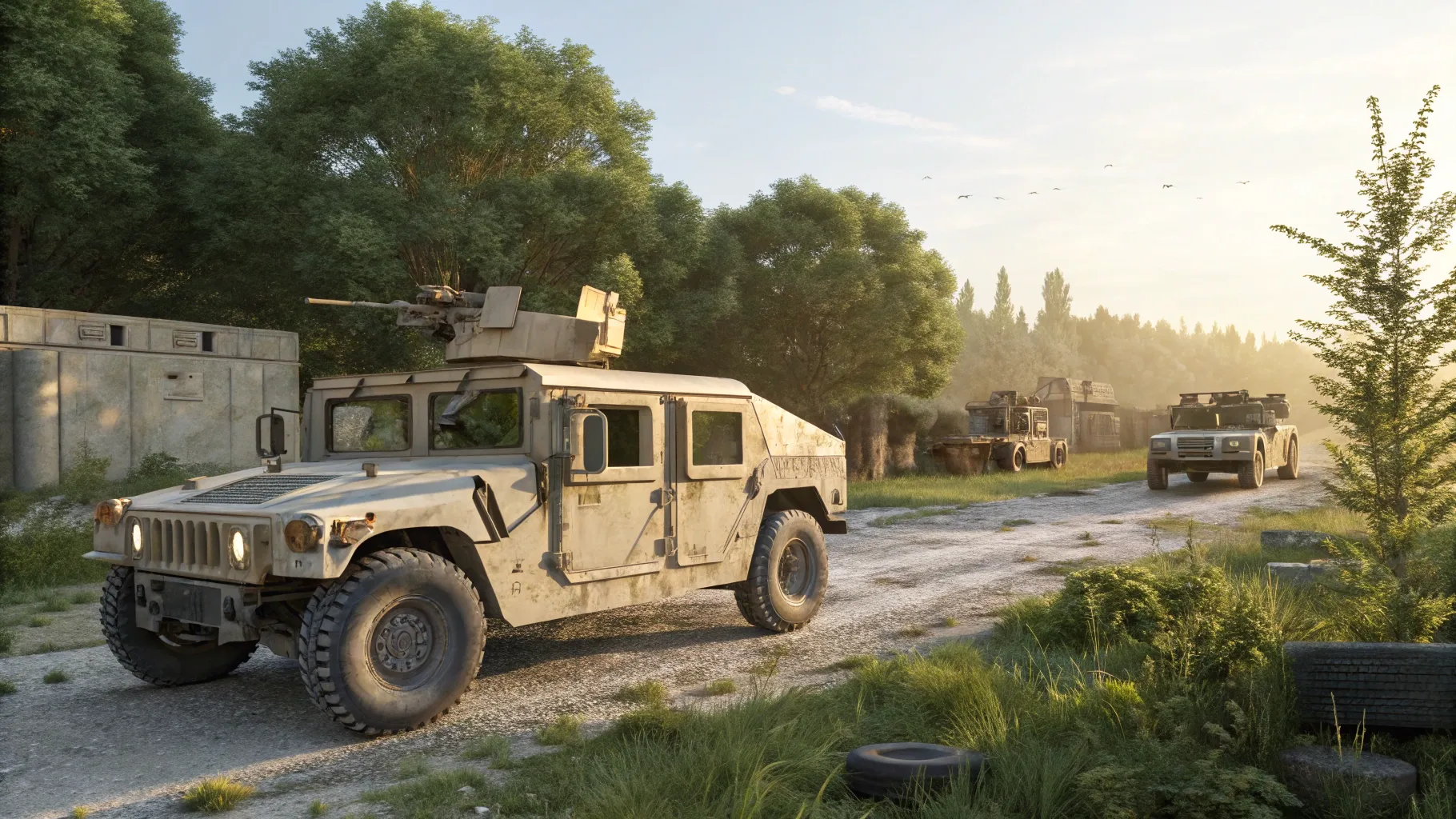
Types of Surplus Army Vehicles Available
The market is busting with various types of surplus army vehicles available for enthusiasts. The most popular models include:
- Humvees: Versatile and iconic, Humvees are among the top choices for collectors due to their ruggedness and adaptability.
- Armored Personnel Carriers (APCs): These heavy-duty vehicles are built to withstand gunfire and provide protection in hostile environments.
- Battle Tanks: Often sold for preservation and display, tanks like the M60 Patton and Sherman are highly sought after.
- Jeep Willys: Classic and compact, Willys Jeeps are popular for both collectors and off-road enthusiasts.
These vehicles vary not only in size and function but also in the fervor they inspire among collectors. Each has its unique charm and appeal, making the world of decommissioned military vehicles an exciting one to explore.
How to Buy Decommissioned Military Vehicles
Navigating the landscape of purchasing decommissioned military vehicles can be complex, but knowing where to look can simplify the process significantly. Here are some tips on how to buy decommissioned military vehicles:
- Online Auctions: Websites like GovPlanet and eBay, often host auctions for various military surplus vehicles. Here, you can find listings that provide detailed descriptions and photographs.
- Surplus Stores: Many military surplus stores sell decommissioned vehicles. Visiting them gives you a chance to inspect the vehicle firsthand before purchasing.
- Military Shows and Expos: Events dedicated to military history often feature vendors selling decommissioned vehicles. Attending these events allows for face-to-face negotiations and potential discounts.
Additionally, networking with fellow collectors can provide valuable leads on where to find desirable vehicles. Joining clubs or online forums dedicated to military vehicles can enhance your purchasing experience.
Refurbished Military Vehicle Prices
As interest in decommissioned military vehicles grows, so does the variance in pricing. On average, the price for a refurbished military vehicle ranges between $15,000 and $60,000, depending on the model and condition. For example, a restored Humvee can sell for upwards of $25,000, while more extensive projects, like armored vehicles, may cost considerably more.
Prices reflect the state of restoration, rarity of the vehicle, and historical significance. Recent reports indicate that the demand for restored vehicles is on the rise, especially among those looking to participate in military reenactments or parades.
Civilian Uses for Decommissioned Vehicles
Decommissioned military vehicles are not just collector items; they can serve various civilian purposes. Here are several creative roles for these historic machines:
- Off-Road Recreation: With their sturdy build, many decommissioned vehicles like the Jeep Willys are perfect for off-road adventures.
- Film and Television: Producers often seek authentic military vehicles for films and documentaries, enhancing production quality and authenticity.
- Promotional and Display Use: Businesses and military museums frequently display military vehicles to attract customers or educate the public.
- Custom Builds: Some enthusiasts convert these vehicles for use as food trucks, mobile bars, or even miniature trailer homes, showcasing their creativity and ingenuity.
These applications showcase the versatility of decommissioned military vehicles beyond their original intent, highlighting their status as valuable resources in the civilian sector.
Inspection and Maintenance Tips
Owning a decommissioned military vehicle comes with its responsibilities. Regular maintenance is crucial to keeping these robust machines in top shape. Here are some valuable inspection and maintenance tips for surplus vehicles:
- Regularly Check Fluids: Ensure that oil, coolant, and transmission fluids are topped up and free from leaks.
- Tire Maintenance: Inspect tires for proper inflation and tread wear. Consider replacing old tires to ensure off-road safety.
- Electrical Systems: Routinely check batteries and all electrical components to prevent failures during operation.
In addition to these tips, consulting with a mechanic experienced in military vehicles can provide deeper insights into specific maintenance needs. Understanding the unique aspects of these vehicles fosters better preservation and enjoyment of your military relic.
Regulations for Owning Ex-Military Vehicles
Before purchasing a decommissioned military vehicle, it’s essential to be aware of the regulations for owning ex-military vehicles. The laws surrounding these vehicles vary by state and can include:
- A requirement for specific licenses or registrations to legally operate the vehicle on public roads.
- Restrictions on modifications; some areas mandate that the vehicle retains its original military appearance.
- Insurance policies that may differ from standard vehicle coverage, especially regarding liability and usage.
Being informed about these legalities not only ensures compliance but also enhances the overall experience of owning a piece of military history. Understanding your responsibilities as an owner can make navigating the military vehicle landscape much more enjoyable.
Authored by FreshLifeWire team