Crane Jib Extensions: Transforming Urban Construction
The Evolution of Crane Jib Extensions in Modern Construction
It's 2025, and the construction industry is thriving with innovations that continue to transform urban landscapes. At the center of this transformation are crane jib extensions, a pivotal innovation that enhances the construction experience. As skyscrapers touch the sky and urban spaces become more congested, these attachments provide the necessary flexibility and strength needed for today's architectural undertakings.
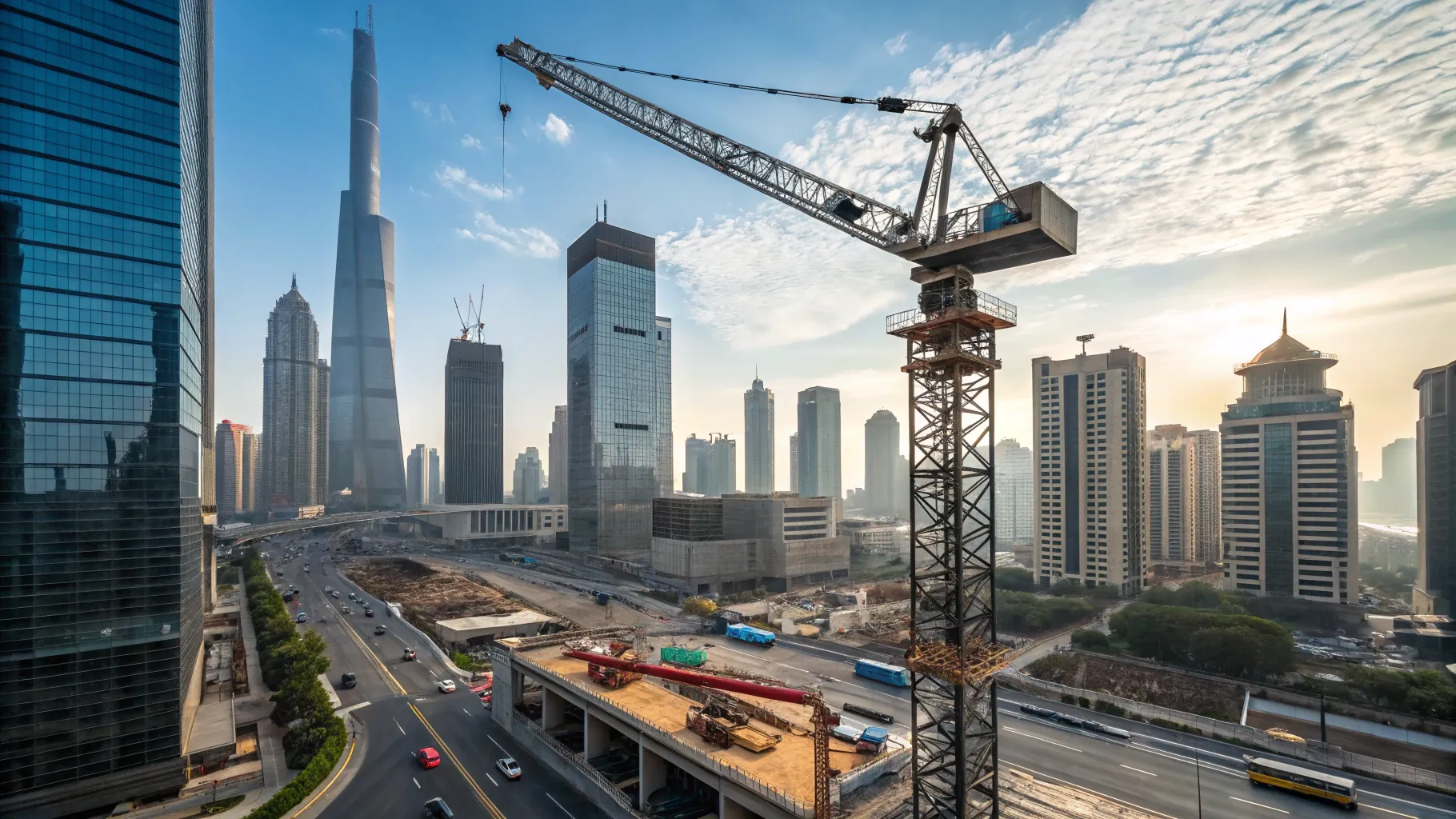
Crane Jib Extensions: A Game-Changing Innovation
In the bustling world of construction, crane jib extensions are indeed reflective of a new era. Their ability to extend a crane's reach has not only enhanced the efficiency of construction projects but also unlocked new possibilities in engineering design. These extensions have embraced a new age where traditional constraints are a thing of the past.
- Extending Reach: By allowing cranes to maneuver goods over significant distances, these extensions minimize downtime caused by machinery repositioning.
- Greater Flexibility: Compatible with multiple crane types, construction managers can adapt these extensions to specific project needs with ease.
- Increased Safety & Productivity: Controls that reduce the frequency of repositioning boost both the speed of operations and overall safety metrics.
Case in point: Singapore. The city-state is a melting pot of futuristic architectures and designs that defy conventions. Here, crane jib extensions elegantly solve the complexities of ambitious constructions without the financial hardships of deploying additional cranes.
Adjustable Jibs Address Modern Challenges
The adaptability of today's crane jib extensions meets the unique demands of even the most intricate sites. By enabling operators to switch the jib's angle and length dynamically, they guarantee that every lift is finely tuned to precise specifications. This ensures tasks are handled with care, regardless of the size or delicacies involved.
- Precision Lifting: Perfect for handling fragile materials, allowing operators to execute careful lifts that respect architectural integrity.
- Adapting to Constraints: Especially useful in cramped sites, where awkward angles and limited space require meticulous coordination.
- Cost-Effective Practices: By reducing the number of cranes needed on-site, these solutions bring significant financial savings to project managers.
Tokyo is an impeccable example of where space is sparse, yet architectural demands are sky-high. The use of adjustable jibs here has been a blessing, deftly aiding in the development of towering buildings that coexist seamlessly with the city's complex urban grid.
Extendable Booms: Meeting Urban Demand Efficiently
Extendable crane booms have positioned themselves as essential fixtures in urban projects that aim to reshape city landscapes. Their ability to telescope smoothly brings flexibility and dynamism to bustling city sites.
- Pioneering Skyscraper Construction: These booms redefine lifting strategies, transitioning floors and their equipment seamlessly as cities build vertically.
- Fulfilling Infrastructure Projects: Navigating through crowded construction sites with finesse, surpassing conventional booms in their ease of use.
- Efficiency in Congested Spaces: Their adaptable nature ensures projects proceed without delays, which is critical in metropolitan projects where deadlines are non-negotiable.
Reflect on New York City’s architectural wonders, constantly pushing the boundaries of what's possible. Extendable crane booms have fueled this momentum, setting new standards for construction practices in iconic buildings that reshape the city’s silhouette.
Modular Jib Extensions: Leading a Sustainable Frontier
The urgency for more sustainable construction practices has intensified, with modular jib extensions becoming the torchbearers of this movement. Balancing functionality with eco-friendly designs, they offer modern construction projects the tools needed to remain environmentally conscious.
- Scalability in Design: Dynamic modular systems grow in tandem with project sizes, reducing set-up time and downtime alike.
- Sustainable Choices: Focus on reducing resource consumption aligns perfectly with broader environmental conservation goals.
- Swift Assembly and Disassembly: Projects with pressing timelines benefit significantly from the rapid deployment of these extensions.
Data from the latest Construction Efficiency Journal notes an annual uptick of 8% in the adoption of modular jib extensions. This shift reflects a concerted effort toward sustainability that not only benefits the construction industry's ethics but also its economic prospects.
As we broaden our sights beyond urban construction, crane jib extensions demonstrate their multifaceted utility. Denmark's advancing wind energy sector employs these technologies to ensure the flawless installation of massive turbines amidst challenging landscapes, exemplifying their adaptability beyond cement and steel structures.
Crane Jib Extensions: A Look Into the Future of Construction
Crane jib extensions are far more than essential attachments; they symbolize the future direction of construction technology—an embodiment of progress where innovation fuels sustainable growth and architectural possibilities are endless. Embracing these advancements means endorsing a vision where future horizons are defined by both creative architecture and responsible construction practices.
Authored by FreshLifeWire team