The Ultimate Guide to Craft and Sewing Classes for All Skill Levels
Facts:
- Crafting reduces stress and improves brain function.
- Upcycling old textiles is a major trend for DIY craft classes.
Unlock Your Creative Potential with Craft and Sewing Classes
Embarking on a creative journey can be incredibly rewarding, and there's no better starting point than enrolling in craft and sewing classes. Whether you're a complete novice hoping to mend your own clothes or an aspiring designer aiming to create bespoke garments, these workshops provide the foundational skills and expert guidance needed to turn your vision into reality. Engaging in hands-on projects not only fosters a valuable new skill but also offers a wonderful way to de-stress, connect with like-minded individuals, and produce something truly unique. The world of textiles is vast and exciting, and structured classes offer a clear path to navigate it confidently and successfully, making it easier than ever to learn sewing basics.
Finding the Perfect Sewing Classes for Beginners
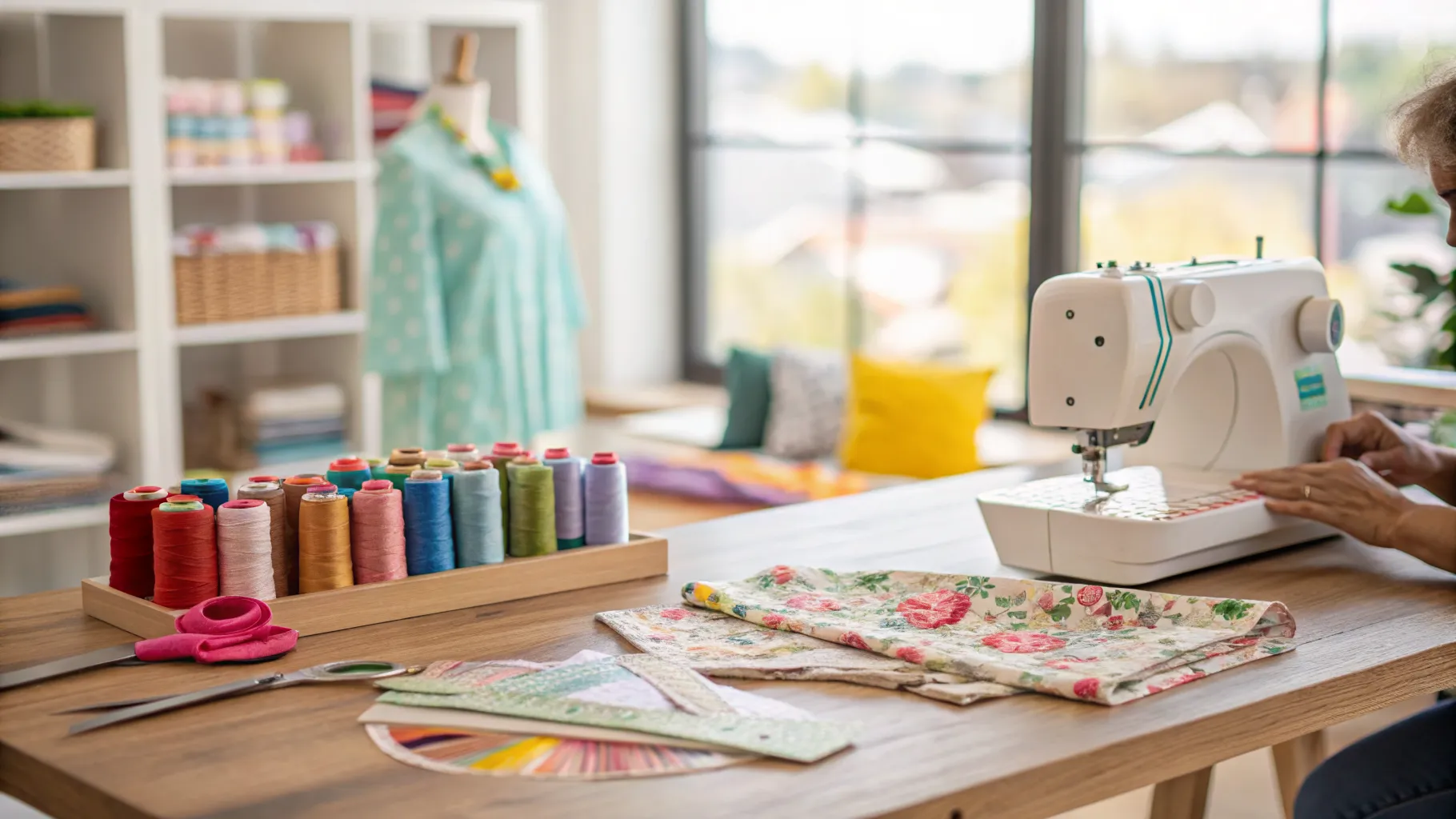
For those new to the world of needles and thread, the sheer number of options can feel overwhelming. However, finding the right sewing classes beginners will love is the most crucial step towards building a lasting passion. Start by looking for courses specifically labeled 'beginner' or 'introductory'. These classes are designed to guide you through the absolute essentials without any assumed prior knowledge. Key topics should include understanding your sewing machine, learning how to thread it, winding a bobbin, and practicing basic stitches on scrap fabric. A great introductory course will focus on building confidence through simple, tangible projects like a tote bag or a pillowcase. These initial successes are vital for motivation and provide a solid foundation before moving on to more complex creative workshops sewing projects like garments or quilts.
From Idea to Creation: The Power of DIY Craft Classes
The true magic happens when you can take a concept from your imagination and bring it to life with your own hands. This is the core appeal of DIY craft classes. These workshops are less about formal technique and more about project-based learning and creative expression. You might learn macrame, quilting, embroidery, or even fashion upcycling. Unlike traditional sewing courses, these classes often focus on a single project that you can complete within a session or two. This format is perfect for those who want to explore different crafts without a long-term commitment. Participating in craft sewing classes that are project-focused provides an immense sense of accomplishment and equips you with a finished product to proudly display or use, fuelling your desire to learn more and tackle even more ambitious projects in the future.
Essential Skills You'll Master in Creative Workshops
Attending creative workshops sewing is an investment in a versatile and practical skillset. These sessions are structured to ensure you walk away with tangible abilities that can be applied to countless future projects. Beyond just operating a machine, a quality workshop will build your comprehensive knowledge base.
- Understanding Sewing Machines: You'll move beyond the 'on' button to truly understand your machine's components, from the needle and presser foot to the tension dials and stitch selectors. This knowledge is crucial for troubleshooting common issues.
- Mastering Basic Stitches: You will learn sewing basics, including the straight stitch, zigzag stitch, and backstitch. A good instructor will explain when and why to use each one for durable and professional-looking seams.
- Reading Commercial Patterns: This is often one of the most intimidating steps for beginners. A structured class will demystify the symbols, lines, and jargon found on sewing patterns, empowering you to tackle projects from major brands.
- Fabric Knowledge: Not all fabrics are created equal. You'll learn to identify different types of textiles, like cotton, knits, and denim, and understand how each one behaves under the needle, which is a key part of any good sewing classes beginners course.
Online vs. In-Person: Choosing Your Sewing Class Format
The decision between learning online or attending an in-person class depends heavily on your learning style, budget, and schedule. In-person craft sewing classes offer the invaluable benefit of immediate, hands-on feedback from an instructor. You can ask questions in real-time, get help if your machine jams, and enjoy the camaraderie of fellow students. This environment is highly motivating and excellent for those who thrive on social interaction. On the other hand, online courses provide unparalleled flexibility. You can learn at your own pace, re-watch complex techniques as many times as you need, and access a wider variety of specialized instructors and DIY craft classes from around the globe. While you lose the in-person community, many online platforms have robust forums and video support to help you along the way. Consider a hybrid approach: start with an in-person class to learn sewing basics and then supplement your skills with specialized online workshops.
Frequently Asked Questions
What supplies do I need for sewing classes beginners?
Most beginner classes will provide sewing machines for use during the session. However, they will typically ask you to bring a basic sewing kit, which includes fabric scissors, pins or clips, a seam ripper, measuring tape, and thread. Always check with the class provider for a specific supply list before your first day.
How long does it take to learn sewing basics?
You can learn the fundamental basics, like threading a machine and sewing a straight line, within a single 2-3 hour workshop. However, becoming proficient and comfortable with various techniques and projects can take several months of consistent practice. The key is to keep working on simple projects to build your confidence and muscle memory.
Are craft and sewing classes expensive?
Costs can vary widely. A single-session workshop might cost anywhere from $50 to $150, while a multi-week course could be several hundred dollars. Online classes are often more affordable. Remember to factor in the cost of materials. Look for local community centers or fabric stores, as they often offer more budget-friendly craft sewing classes.
References
- The Journal of Textile Arts and Design
- Craft & Hobby Association Annual Report
- Psychology Today: The Health Benefits of Crafting
- Fashion and Textiles: An Introduction
Authored by FreshLifeWire team