A Comprehensive Guide to Multi Stage Under Counter Kitchen Water Filters
Facts:
- Multi-stage filters can remove over 1,000 potential contaminants.
- A growing trend for domestic water hygiene is point-of-use purification systems.
Why a Multi-Stage Filter is a Crucial Kitchen Upgrade
In an era where water quality is a growing concern, ensuring the purity of what your family drinks is paramount. While pitcher filters offer a basic solution, a dedicated under-counter system provides a far more robust and reliable defense against contaminants. The installation of multi stage kitchen water purifiers represents a significant step towards superior hydration and health. These systems are engineered to tackle a wide spectrum of impurities, from common chlorine to heavy metals and microscopic cysts, delivering water that is not only safer but also tastes significantly better. This informative guide to domestic water hygiene will delve into the technology, benefits, and considerations of choosing the best system for your home, making it clear why this is a worthwhile investment.
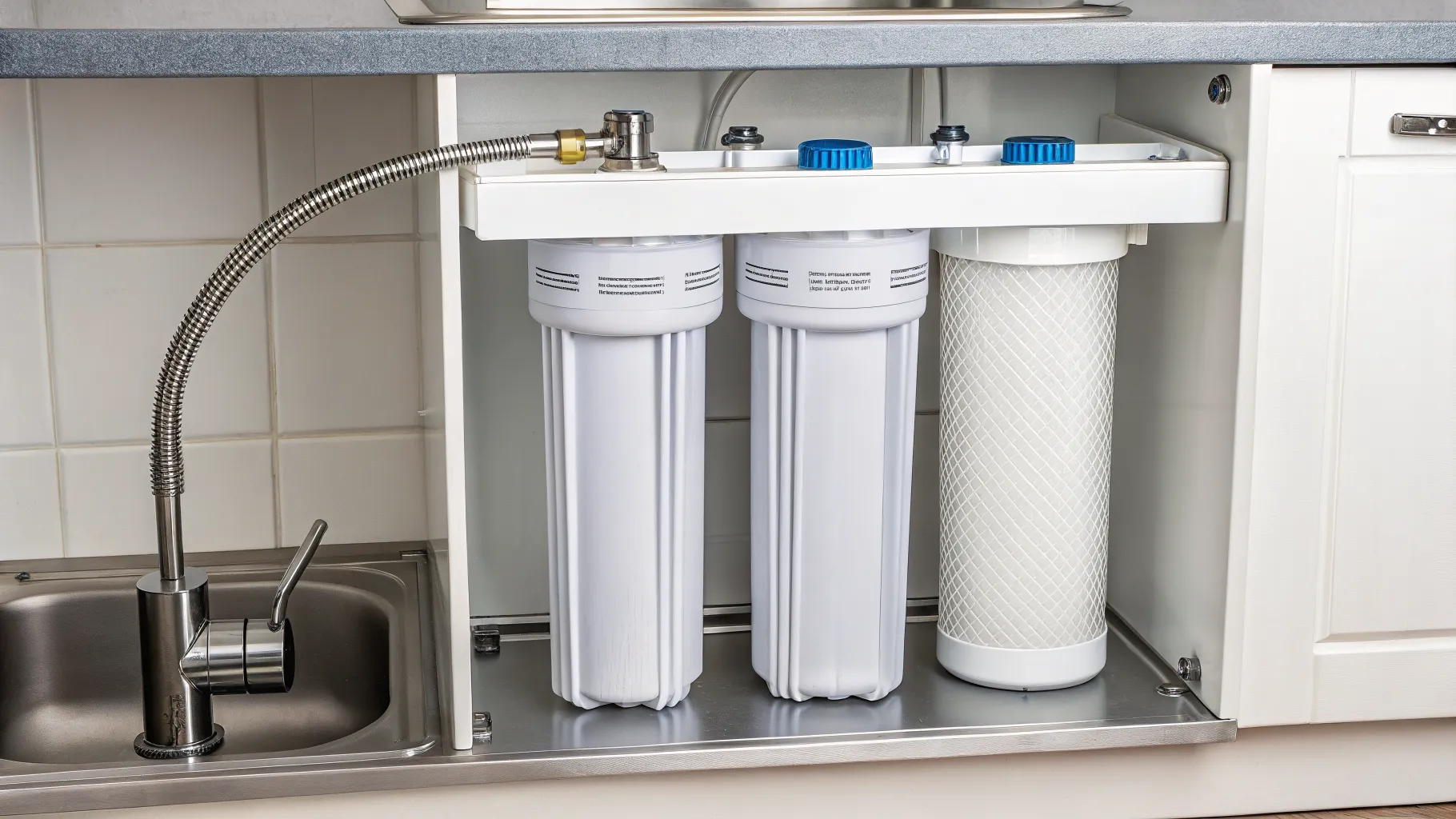
Understanding the Filtration Process: A Stage-by-Stage Breakdown
The term 'multi-stage' refers to the sequential process of purification, where water passes through several different filter media, each designed to target specific types of contaminants. This layered approach is what makes these systems so effective. The journey typically begins with a sediment filter, which removes larger particles like rust, sand, and silt. This initial step protects the more sensitive subsequent stages from clogging. Next, the water often flows through one or more activated carbon blocks. These are crucial for removing chlorine, volatile organic compounds (VOCs), pesticides, and other chemicals that affect taste and odor. A key part of this is understanding micron filtration levels; the smaller the micron rating, the finer the particles it can trap. Some advanced clean drinking water filter kits may include specialized media for fluoride or arsenic reduction, culminating in a comprehensive purification process that leaves you with exceptionally clean water directly from your tap.
Reverse Osmosis vs. Standard Multi-Stage: Which is Right for You?
When exploring under-counter options, the debate often comes down to standard multi-stage systems versus reverse osmosis under counter water filters. While both are excellent choices, they operate on different principles. A standard multi-stage filter uses various media to trap or absorb contaminants as water passes through. In contrast, a reverse osmosis (RO) system uses a semipermeable membrane to force water through, leaving a high percentage of dissolved solids and impurities behind. RO is unmatched in its ability to remove a vast array of contaminants, including heavy metals, nitrates, and even viruses. However, this process also strips beneficial minerals and produces wastewater (brine). Standard multi stage kitchen water purifiers are highly effective for most municipal water sources, improving taste and removing common chemicals without demineralizing the water or producing waste. The choice depends on your specific water quality concerns and your preference for mineral content in your drinking water.
Key Factors in Selecting the Best Clean Drinking Water Filter Kits
Choosing the right system requires careful consideration of several factors. First, obtain a water quality report from your local municipality or conduct a private test to identify the specific contaminants in your water. This will help you decide if you need a standard system or the more intensive purification of reverse osmosis under counter water filters. Second, consider the system's flow rate and daily capacity to ensure it meets your household's demands without a significant drop in water pressure. Third, evaluate the long-term cost, including the price and replacement frequency of the filter cartridges. Easy installation and maintenance are also important; many modern clean drinking water filter kits are designed for straightforward DIY installation. By carefully assessing these elements, you can select a system that provides optimal performance and value for years to come.
Installation and Maintenance: An Informative Guide to Domestic Water Hygiene
Proper installation and regular maintenance are fundamental to ensuring your filter system operates at peak efficiency. This commitment is a core part of a sound strategy for domestic water hygiene. While many kits are user-friendly, always follow the manufacturer's instructions precisely. Here are some key tips for upkeep:
- Monitor Filter Lifespan: Mark your calendar for filter changes. Most systems require cartridge replacement every 6 to 12 months, but this can vary based on your water quality and usage. Neglecting this can lead to reduced flow and compromised filtration.
- Sanitize the System: During each filter change, it's good practice to sanitize the filter housings and lines to prevent any potential bacterial growth. A simple, unscented bleach solution, thoroughly rinsed, is often recommended.
- Check for Leaks: Periodically inspect all connections and fittings for any signs of leaks. A small drip can lead to water damage over time, so early detection is crucial for maintaining your under-counter space.
- Understand Your System: Familiarize yourself with each component of your chosen multi stage kitchen water purifiers. Knowing what each filter does helps you troubleshoot issues and appreciate the purification process.
Frequently Asked Questions
How often should I replace the filters in my multi stage kitchen water purifiers?
Filter replacement schedules vary by manufacturer and local water conditions, but a general guideline is every 6-12 months. The sediment and carbon filters often need more frequent changes than a reverse osmosis membrane, which can last 2-3 years.
What are the main advantages of reverse osmosis under counter water filters?
The primary advantage is their superior contaminant removal capability. RO systems can remove up to 99% of all dissolved solids, including difficult-to-filter substances like heavy metals, arsenic, fluoride, and nitrates, providing the highest level of water purity available for home use.
Why is understanding micron filtration levels important?
Understanding micron filtration levels is crucial because it tells you the size of particles a filter can capture. A lower micron rating (e.g., 0.5 microns) means the filter can block much smaller contaminants, such as protozoan cysts like Giardia and Cryptosporidium, offering a higher degree of protection.
References
- Environmental Protection Agency (EPA) - Drinking Water Contaminants
- Water Quality Association (WQA) - Home Filtration System Guidelines
- Journal of Domestic Water Science - Studies on Point-of-Use Purification
Authored by FreshLifeWire team