Comprehensive Guide on Hemophilia Treatment and Symptoms
Understanding Hemophilia Treatment Options and Living with This Condition
Hemophilia is a genetic disorder characterized by the inability of blood to clot properly, which can lead to excessive bleeding. As of today, in 2025, awareness about hemophilia has significantly improved, and people diagnosed with this condition are finding more support than ever before. This article provides a comprehensive insight into hemophilia treatment options, explores hemophilia symptoms explained, outlines a typical hemophilia diagnosis process, and shares valuable tips for living with hemophilia.
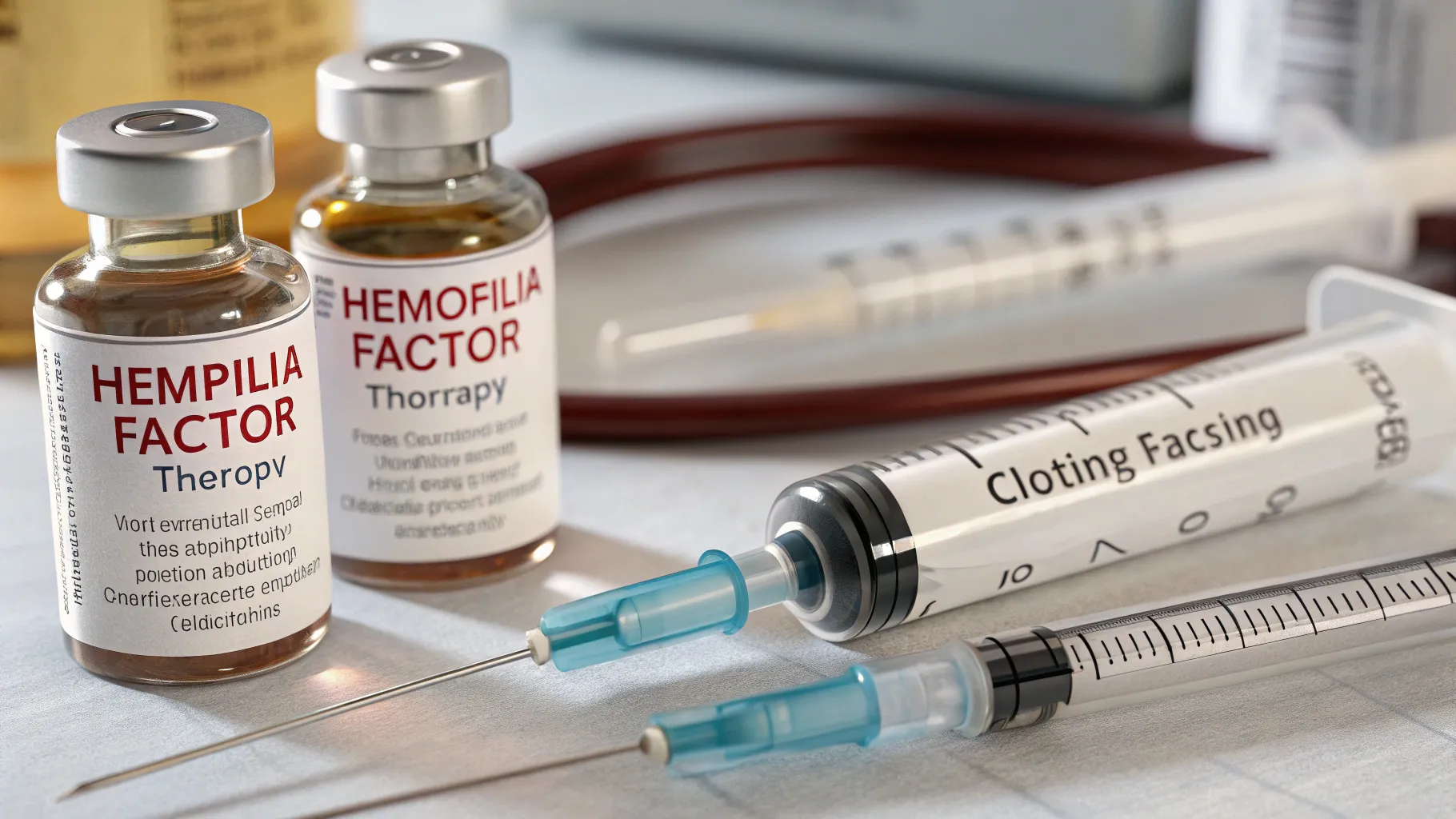
Can Hemophilia Be Treated?
The question of whether hemophilia can be treated is met with a definitive yes. While hemophilia is a lifelong condition, medical advancements have made it possible to manage symptoms effectively and reduce the impact of the disease on daily life. Treatment primarily revolves around replacing missing clotting factors. Here are the major options available:
- Factor Replacement Therapy: This is the most common treatment, where hemophilia A patients receive factor VIII, while those with hemophilia B need factor IX. This therapy can be administered on-demand during bleeding episodes or as a preventive measure known as prophylaxis.
- Emicizumab (Hemlibra): A newer treatment for hemophilia A, Emicizumab mimics the action of factor VIII. It has gained popularity due to its ability to reduce bleeding episodes and is administered via subcutaneous injection.
- Gene Therapy: This cutting-edge area of research aims to provide a lasting solution by introducing a corrected copy of the defective gene responsible for clotting factor production. While still under investigation, recent clinical trials have shown promising results, potentially changing the face of hemophilia treatment.
Statistics reveal that by the end of 2024, about 65% of hemophilia patients in developed countries have been receiving prophylactic treatment, leading to a significant decline in hospital visits attributed to bleeding complications.
Hemophilia Symptoms Explained
The symptoms of hemophilia can differ based on the severity of the disease but generally include:
- Unusual bleeding: People with hemophilia often experience prolonged bleeding from cuts, dental procedures, or injuries. Spontaneous bleeding can also occur, particularly in joints and muscles, which can be alarming.
- Easy bruising: Individuals may develop large bruises in response to minor bumps or sometimes without any known cause at all.
- Joint pain and swelling: Repeated bleeding episodes into joints can lead to chronic pain, swelling, and even permanent joint damage over time.
- Blood in urine or stool: This is a critical symptom indicating internal bleeding and should be addressed immediately.
The importance of recognizing these symptoms cannot be overstated. A recent study published in late 2024 indicates that nearly 80% of patients reported experiencing joint problems due to untreated bleeding episodes. Early diagnosis and intervention are essential in minimizing complications.
The Hemophilia Diagnosis Process
Diagnosing hemophilia typically involves several important steps:
- Family History and Symptoms Review: Medical professionals usually start by assessing the family history since hemophilia is an inherited condition. Along with this, the clinician will consider any symptoms the patient presents during a physical examination.
- Blood Tests: Blood samples are crucial to determine the levels of clotting factors. Standard tests include the activated partial thromboplastin time (APTT) test, which measures blood's overall clotting ability, and specific factor assays to pinpoint any deficiencies.
- Genetic Testing: In certain cases, genetic testing may be recommended to confirm the diagnosis and establish the specific type of hemophilia affecting the patient.
Notably, in the last six months, an initiative has been launched to screen for hemophilia in newborns across several regions, significantly enhancing early diagnosis and treatment rates.
Tips for Living with Hemophilia
Living with hemophilia poses unique challenges, but with the right strategies and support, individuals can enjoy fulfilling lives. Here are some practical tips:
- Stay Informed: Being knowledgeable about hemophilia is empowering. Patients should maintain open lines of communication with healthcare providers and stay updated on the latest treatments and management strategies.
- Establish a Care Plan: Collaborate with healthcare professionals to create a personalized care plan. Regular check-ups and adjustments to the plan may be necessary to align with any health changes.
- Seek Emotional Support: Connecting with support groups or engaging in therapy can make a significant difference. Sharing experiences with others facing similar challenges provides comfort and understanding.
- Prevent Injuries: Taking preventive measures during physical activities is crucial. It's advisable to assess sports choices wisely and use protective gear to lower the risk of injury and bleeding episodes.
Recent surveys highlight that approximately 70% of individuals with hemophilia participate in physical activities safely by implementing injury-prevention strategies. Living with hemophilia does not equate to a sedentary lifestyle; rather, it requires thoughtful adaptations to maintain an active and healthy routine.
The ongoing efforts to advocate for hemophilia awareness and treatment options are vital. Comprehensive support for those affected ensures not only medical care but also community understanding and assistance. Every stride made towards better management enhances the future for individuals living with hemophilia, paving the way for a more active and rewarding life.
Authored by FreshLifeWire team