Comprehensive Guide to Heart Stents Types and Treatment
What is a Heart Stent and How It Works
A heart stent, a small mesh tube made of metals or polymers, is a medical device used to treat narrowed or blocked arteries in the heart, a condition known as coronary artery disease (CAD). By providing support to the vessel walls, heart stents maintain arterial patency, thus ensuring adequate blood flow to the heart muscle. During the procedure known as angioplasty, a balloon is used to expand the stent to fit snugly against the artery wall. When the balloon is deflated and removed, the stent remains in place, acting as a scaffold to prevent the artery from re-narrowing.
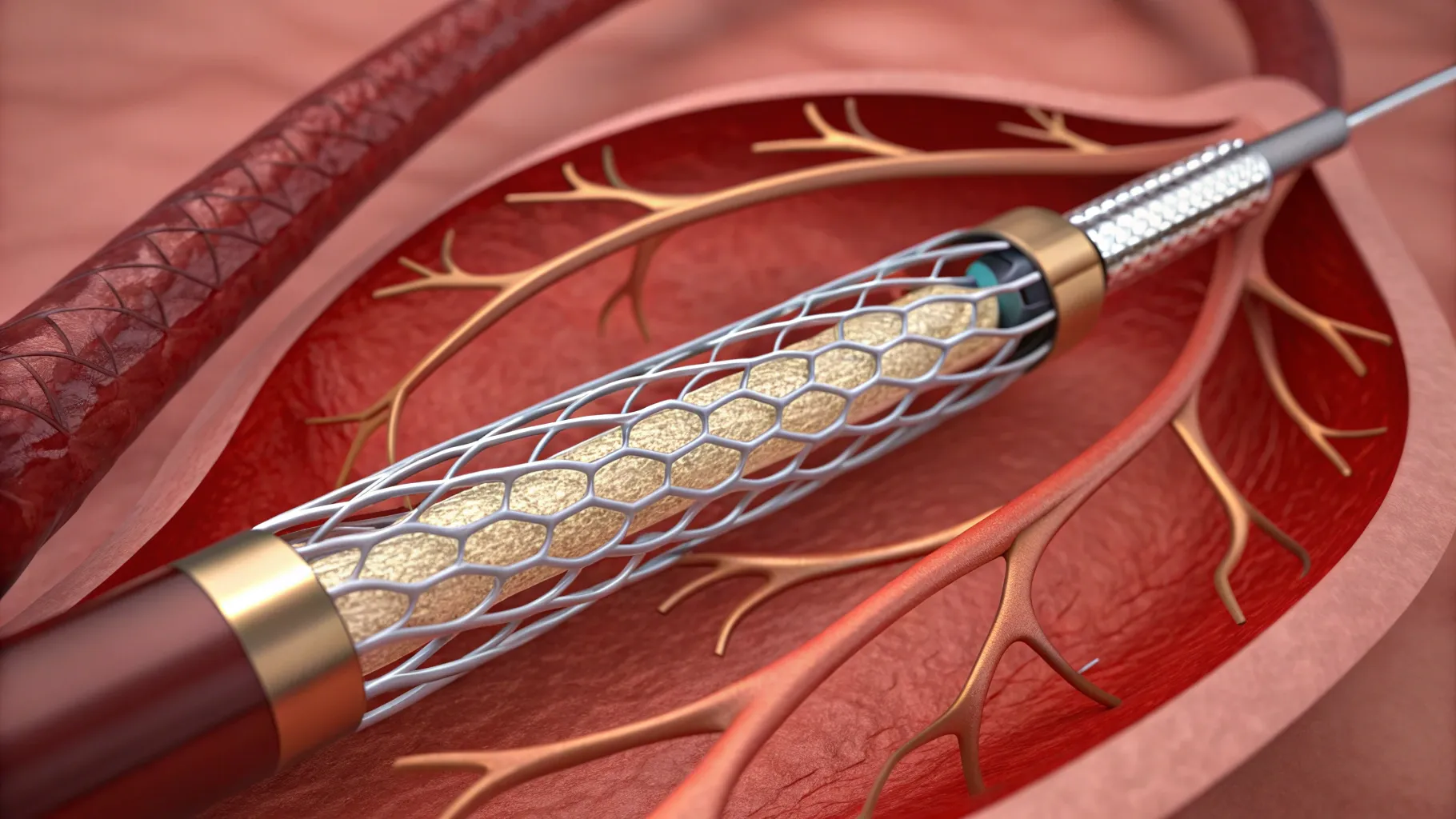
Types of Heart Stents in Cardiology
There are several types of heart stents, each designed to address different procedural needs and patient considerations. The primary types include:
- Bare Metal Stents (BMS): These are the original type of stents made from stainless steel or cobalt-chromium alloys. They provide immediate support but have a higher risk of restenosis.
- Drug-Eluting Stents (DES): Coated with medication, these stents release drugs that help to prevent the artery from narrowing again after the procedure. They have significantly reduced rates of re-narrowing compared to BMS.
- Bioabsorbable Stents: These stents dissolve over time in the body. They are designed to provide temporary support while minimizing long-term complications associated with permanent implants.
History of Heart Stent Development
The evolution of heart stents traces back to the 1980s, with the first successful angioplasty performed by Dr. Andreas Gruentzig in 1977. Initially, researchers aimed to create a device that would not only enlarge the artery but also maintain its openness. The introduction of the first bare metal stent in 1986 marked a significant milestone. However, issues such as in-stent restenosis encouraged the development of drug-eluting stents in the early 2000s, which saw widespread adoption due to their effectiveness in reducing re-narrowing rates.
Recent advancements continue to reshape the stent landscape, including the emergence of bioabsorbable stents, which represent a pivotal shift toward minimizing long-term device-related complications while promoting natural artery healing.
Materials Used for Heart Stents
Heart stents are typically made from a variety of biocompatible materials that ensure safety and efficacy within the body. Common materials include:
- Stainless Steel: Known for its strength and resistance to corrosion, stainless steel is a widely used material in bare metal stents.
- Cobalt-Chromium Alloys: These alloys offer a lower profile while retaining structural integrity, making them suitable for both bare metal and drug-eluting stents.
- Polymer Coatings: Drug-eluting stents are lined with biodegradable polymers, which facilitate controlled drug release and minimize inflammatory responses.
In 2025, ongoing research aims to explore new materials that can further enhance stent performance and patient outcomes.
Step-by-Step Process of Heart Stent Placement
The process of heart stent placement, also known as percutaneous coronary intervention (PCI), typically follows these steps:
- Preparation: Patients undergo a thorough assessment including imaging studies like angiography to visualize the arteries.
- Access Site Preparation: The doctor may access the vascular system via the groin or wrist, where a catheter is inserted.
- Balloon Angioplasty: A catheter with a deflated balloon navigates to the blocked artery; it is then inflated to widen the artery.
- Stent Deployment: Once the artery is adequately expanded, the stent is deployed, often with a balloon, and left in place.
- Post-Procedure Care: Patients are monitored, and antiplatelet medications are prescribed to prevent clotting within the stent.
The entire procedure generally takes less than two hours, with most patients going home the same day.
Comparison of Heart Stents and Other Treatment Options
While heart stents are effective, they are not the only means of treating CAD. Options include:
- Coronary Artery Bypass Grafting (CABG): In cases of severe blockages or when multiple arteries are affected, CABG offers a more comprehensive solution by rerouting blood flow around blocked arteries.
- Medication Management: Lifestyle changes and medications can sometimes control symptoms effectively, especially in less severe cases of CAD.
Each treatment option has its pros and cons. For instance, while stents are less invasive and offer quicker recovery, CABG might be necessary in more complex blockages. The choice ususally depends on the extent of coronary artery disease and overall patient health.
How Long Heart Stents Last in Practice
Heart stents are designed for durability, typically lasting for many years; studies show that most stents function effectively for over a decade. However, individual experiences can vary. Factors influencing the lifespan of a heart stent include the patient's overall health, adherence to post-procedure care, and the presence of conditions such as diabetes.
Ongoing medical follow-ups and lifestyle modifications can significantly enhance the longevity and functionality of heart stents.
Heart Stents in Older Adults and Special Considerations
When it comes to older adults, the use of heart stents requires careful consideration. Many older patients have multiple comorbidities that could affect both the procedure and recovery. The risk of complications can be higher due to age-related factors like weakened blood vessels and slower healing processes.
Moreover, there’s often a delicate balance to maintain between the benefits of stenting and the potential risks of bleeding or adverse reactions to medications. Regular assessments, a thorough understanding of each patient's health context, and a well-tailored approach to treatment can help mitigate risks.
In 2025, with advancements in healthcare technology and surgical techniques, heart stent placement remains a cornerstone of effective cardiovascular care for patients of all ages, enabling millions to lead healthier, more active lives.
Authored by FreshLifeWire team