Comprehensive Guide to Different Contraceptive Methods
Understanding Different Contraceptive Methods
In today's world, family planning has become an integral part of many couples' lives, allowing them to make informed decisions about when to have children. With various contraceptive methods available, individuals can select an option that aligns with their lifestyle, health, and personal preferences. This comprehensive guide will explore the different birth control options currently popular in 2025, providing insights into their benefits, drawbacks, and efficacy rates.
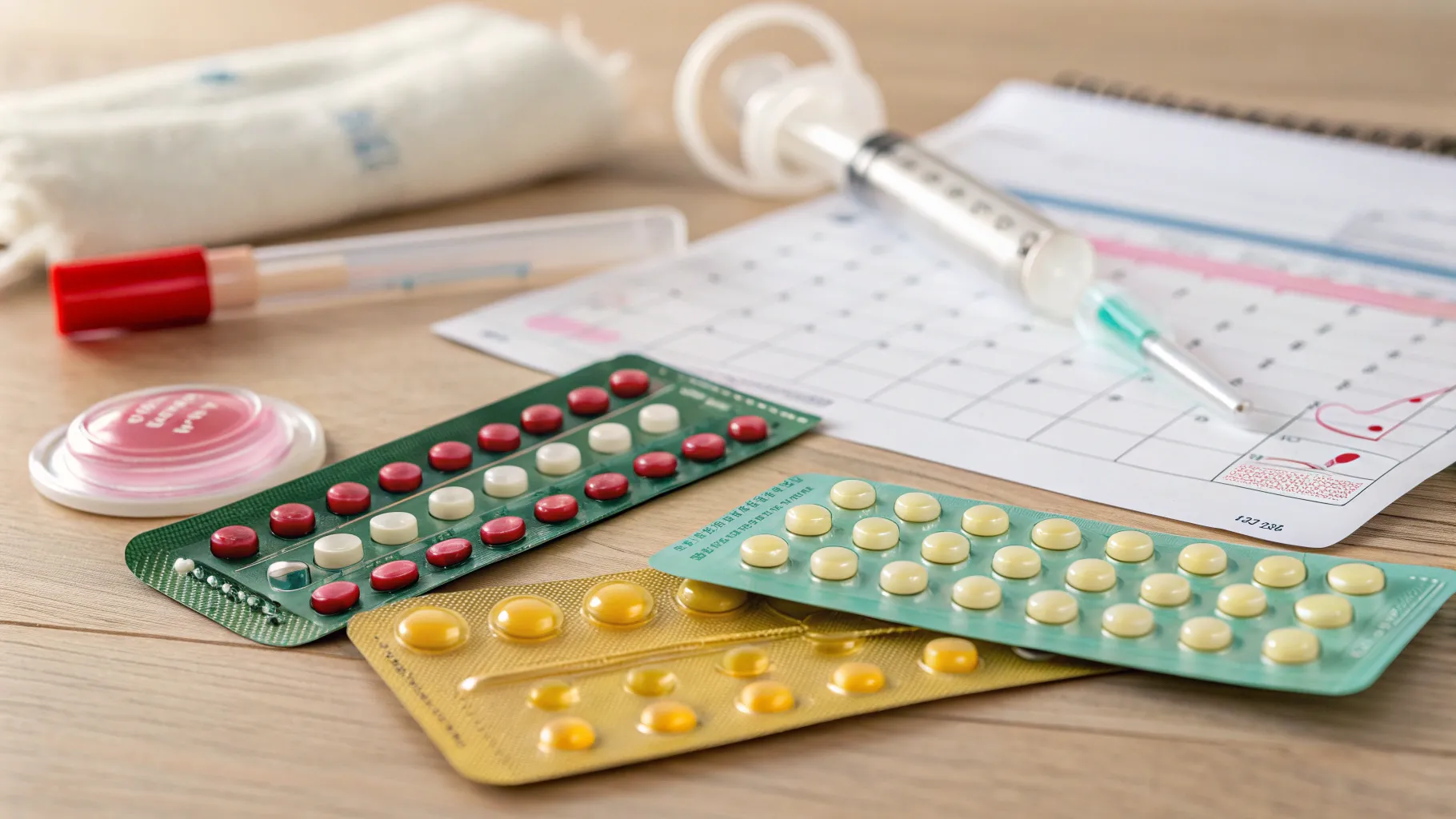
Hormonal Contraceptives
Hormonal contraceptives are among the most widely used methods today, accounting for a significant portion of the birth control market. These work by altering the hormonal balance in a woman's body to prevent ovulation.
- Birth Control Pills: Often referred to simply as 'the pill', these are taken daily and are highly effective when used consistently, with a failure rate of about 0.3%. Modern pills have considerably fewer side effects than older formulations, making them a popular choice.
- Hormonal IUDs: Intrauterine devices (IUDs) that release hormones can provide protection for several years. They boast a failure rate of less than 1%, making them one of the most reliable methods. Many women also report lighter periods while using hormonal IUDs.
- Implants: Birth control implants, fitted under the skin of the arm, can prevent pregnancy for up to three years with a failure rate of approximately 0.1%. They are a hassle-free option for long-term protection.
Barrier Methods
Barrier contraceptives work by physically blocking sperm from entering the uterus. These methods are essential for those seeking to prevent sexually transmitted infections (STIs) as well as unwanted pregnancy.
- Condoms: Both male and female condoms are popular forms of barrier methods. They have a typical use failure rate of around 13%, but they are the only method that also reduces the risk of STIs. With the rise in awareness around STIs, condom use has become increasingly common.
- Diaphragms: A diaphragm is a dome-shaped device that is inserted into the vagina before intercourse. When used with spermicide, it can be effective but requires proper placement and timing, resulting in a higher failure rate compared to other methods.
Intrauterine Devices (IUDs)
Aside from hormonal IUDs, there are also non-hormonal options like copper IUDs, which provide another excellent form of family planning. These devices can prevent pregnancy for up to 10 years and have a failure rate of around 0.8%.
In the past six months, reports have indicated that the popularity of IUDs has surged, with more women opting for this long-term solution due to its effectiveness and low maintenance. Many health professionals advocate for IUDs as one of the best options for women looking for reliable birth control without daily attention.
Natural Family Planning
Natural family planning (NFP) is an umbrella term for methods that allow couples to track natural fertility signals, thereby determining the fertile and infertile periods in a woman's cycle. While these methods are free from hormonal interventions, they require a good understanding of one's body and cycle.
One popular NFP method is the calendar method, which involves tracking menstrual cycles to predict ovulation. Another option is the basal body temperature method, where individuals monitor slight temperature changes to identify fertile days. Although NFP can be effective, it requires commitment and precision in tracking.
Emergency Contraception
Emergency contraception (EC) is a critical option for individuals who may have had unprotected intercourse or contraceptive failure. Available in both pill form and as a copper IUD, EC can prevent pregnancy if taken within a specific time frame.
- Emergency Contraceptive Pills: These pills, such as Plan B and Ella, are more effective when taken as soon as possible after unprotected sex. They work primarily by delaying ovulation and can reduce the risk of pregnancy by 75-89% when taken within 72 hours.
- Copper IUD as EC: A copper IUD can also be inserted up to five days after unprotected sex and is the most effective form of emergency contraception, providing over 99% effectiveness in preventing pregnancy.
Permanent Solutions
For couples who are confident that they do not want future pregnancies, permanent methods such as tubal ligation for women and vasectomy for men offer a long-term solution.
- Tubal Ligation: This surgical procedure involves blocking or sealing the fallopian tubes to prevent eggs from reaching the uterus. It has a failure rate of about 1 in 100.
- Vasectomy: This procedure involves cutting and sealing the vas deferens, preventing sperm from mixing with semen. It is minimally invasive with a failure rate of only about 1 in 1,000.
As of early 2025, the family planning landscape has dramatically evolved. Advances in medical technology and education around reproductive health have empowered more individuals to take control of their fertility. By understanding the various contraceptive methods available, couples can engage in informed conversations about their birth control options, ensuring that they choose the best method for their personal needs and lifestyle.
In summary, with a plethora of choices like hormonal contraceptives, barrier methods, IUDs, natural family planning, emergency contraception, and permanent options, today's couples have greater agency over their reproductive health than ever. Each method has its unique pros and cons, and working closely with a healthcare provider can facilitate an effective and satisfying family planning journey.
Authored by FreshLifeWire team