Comprehensive Guide to Contraceptive Methods in 2025
Understanding Different Contraceptive Methods in 2025
In today's dynamic landscape of reproductive health, family planning has become increasingly accessible, enabling individuals to take proactive steps in managing their reproductive choices. Understanding the various contraceptive methods currently offered in 2025 is essential for making informed decisions that reflect personal values, lifestyles, and health needs. Whether you are looking to delay pregnancy, space out children, or completely avoid pregnancy, familiarizing yourself with your birth control options empowers you and enhances your reproductive autonomy.
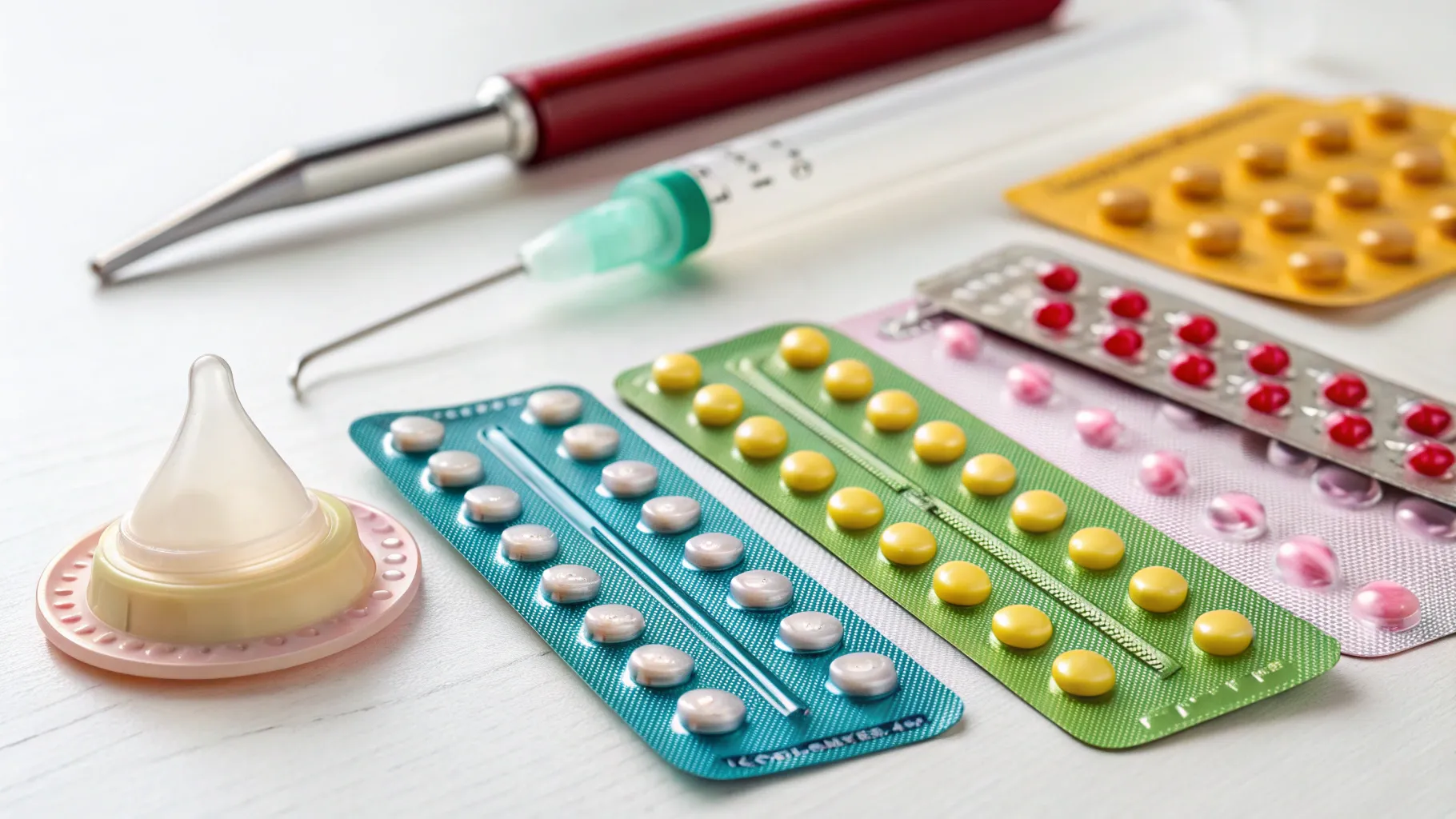
Exploring Various Types of Contraceptive Methods
In 2025, the range of contraceptive methods has diversified significantly, catering to unique needs, preferences, and medical conditions. Each method varies in effectiveness, user experience, and suitability. Let’s delve deeper into some of the most commonly utilized contraceptive options available today:
Hormonal Contraceptives
Hormonal contraceptives remain a favorite choice due to their high effectiveness in preventing pregnancy. By altering hormonal levels, these methods work by inhibiting ovulation, hence averting fertilization. Here are some of the key types of hormonal contraceptives available:
- Birth Control Pills: Approximately 12% of women aged 15-49 in the U.S. currently rely on birth control pills. These daily pills not only regulate menstrual cycles but also offer reliable pregnancy prevention.
- Injectables: Fertility shots, including options like Depo-Provera, can be conveniently administered every three months, a great choice for individuals who find it challenging to remember daily pill consumption.
- Implants: These slender rods, placed just beneath the skin, can dispense hormones for up to three years, leading to a staggering success rate of over 99% in pregnancy prevention.
- Hormonal IUDs: This form of intrauterine device not only provides hormonal protection for up to five years, but also boasts an impressive efficacy rate of over 99% in keeping pregnancies at bay.
Barrier Methods
For those who prefer non-hormonal approaches, barrier methods serve as a reliable option, preventing sperm from reaching the egg. Let’s examine some of the primary barrier methods:
- Condoms: Male condoms offer dual benefits by being effective in preventing pregnancies while also significantly reducing the risk of sexually transmitted infections (STIs). Female condoms present an alternative with similar protective benefits.
- Diaphragms: Inserted into the vagina, diaphragms create a barrier over the cervix and are typically used in conjunction with spermicide for enhanced effectiveness.
- Cervical Caps: These caps function similarly to diaphragms but are smaller and can remain in place for extended periods, representing a reliable option against sperm entry.
IUDs and Natural Methods
Intrauterine Devices (IUDs) are gaining traction for their long-lasting, effective contraception capabilities. Available in both hormonal and copper varieties, the copper IUD creates an environment that is hostile to sperm. The surge in IUD adoption reveals that many women appreciate this low-maintenance option, enjoying its efficacy rate exceeding 99%.
Natural Methods instead focus on tracking fertility signals. This approach involves abstaining from intercourse during fertile periods and includes methods such as the Calendar method and Fertility Awareness. However, these methods generally demonstrate lower effectiveness compared to other available options, largely due to the required commitment and accuracy in tracking.
Sterilization
For those certain about not desiring more children, sterilization offers a permanent solution. Women may undergo tubal ligation to block or seal the fallopian tubes, while men have the option of vasectomy, which involves severing the tubes that transport sperm. Recent studies indicate that around 10% of married couples in the U.S. rely on sterilization as their primary method of contraception.
Emergency Contraception
Life can be unpredictable, creating situations where emergency contraception is necessary. Options such as Plan B and Ella can be taken within 72 hours after unprotected intercourse, effectively reducing the risk of pregnancy. Despite its availability, awareness remains a challenge, although recent surveys show a marked improvement in public knowledge regarding these safe and effective options.
Selecting the Right Contraceptive Method
Choosing the right contraceptive method is a deeply personal decision influenced by a myriad of factors including health conditions, personal convenience, and future reproductive plans. It's crucial to engage in discussions with a healthcare provider to better understand which options may be suitable based on individual medical histories and preferences.
As you consider your options, keep these essential points in mind:
- Health Considerations: Those with specific medical conditions, such as high blood pressure or blood clotting disorders, may face additional risks when using certain hormonal contraceptives.
- Ease of Use: Different methods require varying levels of commitment; for example, daily pills necessitate strict adherence, whereas one-time procedures like IUD placement might offer greater convenience.
- Future Family Planning: If there’s any chance of wanting children down the line, opting for reversible methods is typically more prudent.
The landscape of family planning is constantly evolving, with community health organizations continually working to ensure resources and accurate information are readily accessible to all individuals. Ultimately, your choice of contraceptive method should resonate with your health needs and personal circumstances, enabling you to navigate your reproductive health confidently.
With the extensive variety of contraceptive options available in 2025, individuals can make informed and confident choices tailored to their reproductive health and family planning goals.
Authored by FreshLifeWire team