Comprehensive Guide to Bypass Surgery for Seniors
Understanding Bypass Surgery for Seniors
Each year, thousands of seniors face the reality of heart disease, often leading to the need for bypass surgery. This critical procedure is aimed at restoring proper blood flow to the heart, helping to improve both heart function and overall quality of life. As we dive into the types, processes, and benefits of bypass surgery, it’s essential for seniors and their families to understand what to expect throughout this journey.
Types of Bypass Surgery
Bypass surgery is essential for addressing blocked arteries, which can lead to serious health problems if not treated. Various types of bypass surgeries cater to the complexities of each patient’s situation:
- Coronary Artery Bypass Grafting (CABG): CABG is the gold standard among bypass surgeries. In this procedure, surgeons use a healthy blood vessel, typically harvested from the leg or chest, to bypass blocked coronary arteries, creating new pathways for blood flow. This method is particularly effective for patients with multiple blocked arteries and is performed in a hospital setting under general anesthesia.
- Off-Pump Bypass Surgery: Unlike traditional CABG, this technique allows the surgery to occur while the heart continues to beat. This method may diminish the likelihood of certain complications, making it a suitable option for some older adults who may have additional health issues.
- Minimally Invasive Coronary Bypass Surgery: In this approach, surgeons make smaller incisions, which can lead to less postoperative pain and a quicker recovery. This option has gained popularity in recent years, particularly among those who wish to avoid the extensive recovery time associated with traditional bypass surgeries.
Procedure and Duration of Bypass Surgery
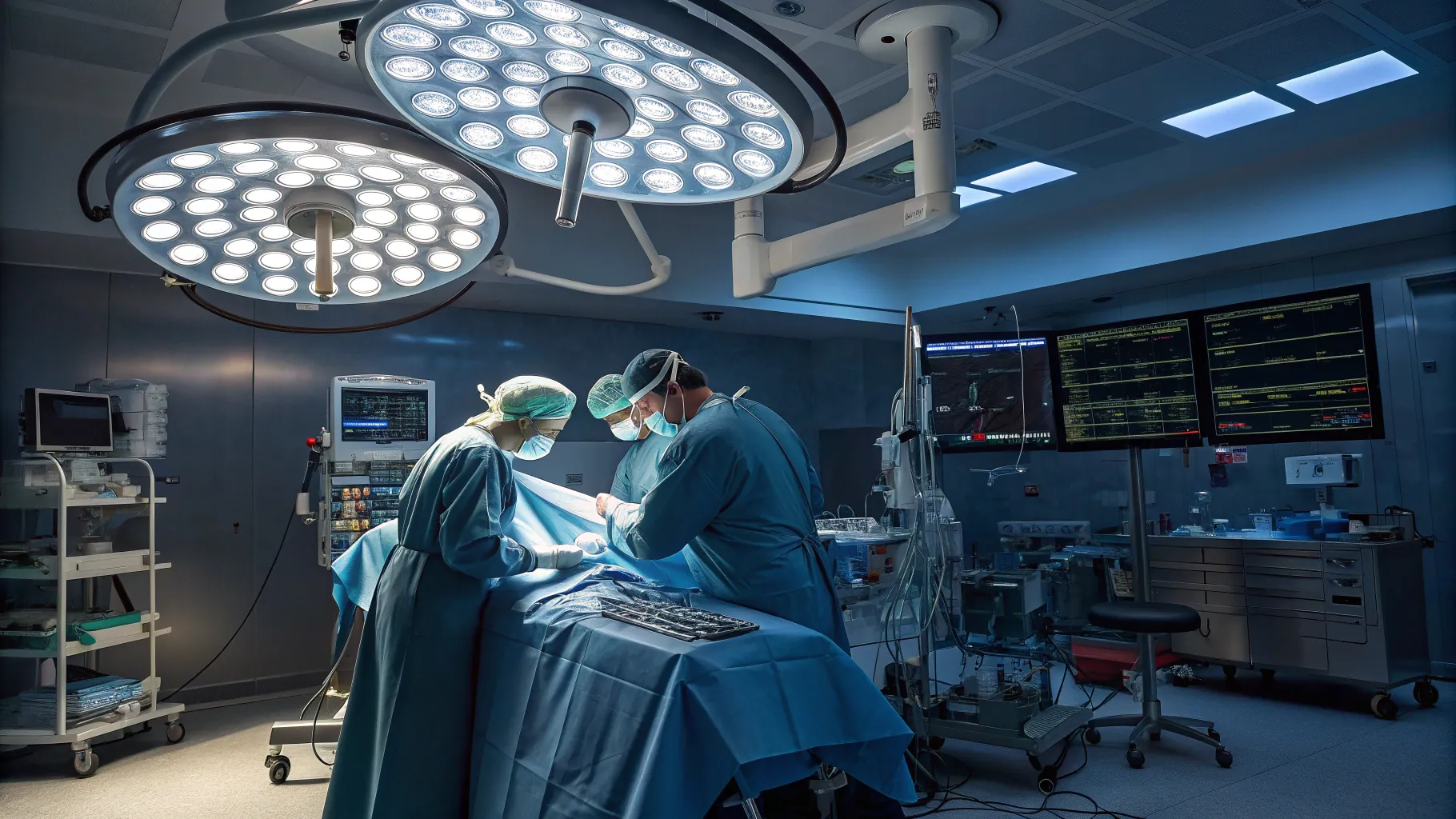
Many seniors are often concerned about what to expect during bypass surgery. The surgical process typically begins with the patient being placed under general anesthesia for safety and comfort. An incision is made along the chest to access the heart. Depending on the complexity, surgery usually lasts between three to six hours. With the rise of minimally invasive techniques, many patients enjoy shorter hospital stays, often just a few days post-surgery.
Costs Associated with Bypass Surgery
When considering bypass surgery, understanding the financial implications is crucial. As of 2025, the costs associated with this transformative surgery can vary widely. Estimates suggest that prices can range from $30,000 to over $200,000, influenced by a spectrum of factors including geographical location, hospital specialization, and the patient’s overall condition.
For seniors, most of these costs are covered by Medicare if the surgery is deemed medically necessary. While patients may still encounter deductibles and co-pays, many find these expenses manageable compared to the potential benefits of enhanced cardiac health. Furthermore, various financial assistance programs can offer additional support, allowing seniors to focus on recovery rather than financial stress.
Recovery Process After Bypass Surgery
The recovery phase after bypass surgery is critical and can significantly impact long-term health outcomes. Initially, patients will spend a few days in the hospital under careful monitoring. Once home, it's vital to adhere to a gradual increase in physical activity. Low-impact aerobic exercises and a heart-healthy diet significantly contribute to a smoother recovery process.
Full recovery can take up to 12 weeks, but many seniors experience improved energy levels much sooner. Support from family and friends during this time is invaluable. Cardiac rehabilitation programs are especially beneficial, offering structured programs that help patients understand their dietary restrictions and rehabilitation needs.
Risks and Complications of Bypass Surgery
Like any surgical intervention, bypass surgery is accompanied by certain risks. Common complications may include infection, excessive bleeding, and adverse reactions to anesthesia. For seniors, there is an added concern regarding cognitive function and the potential for postoperative delirium. Recent studies indicate that around 10 to 15% of patients may experience cognitive changes following surgery, though many report improvements over time.
Seniors are encouraged to engage in thorough pre-surgical assessments, addressing any additional risk factors such as diabetes and kidney function. These evaluations help surgical teams tailor their approach, ensuring the safest and most effective treatment options.
Life Expectancy Post-Bypass Surgery
For seniors contemplating bypass surgery, understanding potential outcomes is often a priority. Current projections indicate that approximately 85% of patients survive more than five years after surgery. Factors such as age, overall health, and commitment to lifestyle changes play a significant role in influencing these statistics.
Moreover, maintaining a proactive approach—like participating in rehabilitation programs and adhering to medication regimens—can enhance not just longevity but also the quality of life. Studies consistently show that patients who are actively involved in their health care fare better in both recovery and heart health maintenance.
Success Rates of Bypass Surgery
The success rates for bypass surgeries are impressive, with over 90% of patients reporting an improved quality of life following their procedures. Regular follow-up appointments with healthcare providers ensure that patients remain on track with necessary lifestyle adjustments and medication regimens that are vital for heart health.
With medical technology on an upward trajectory, the future of bypass surgery looks increasingly hopeful for seniors. Those who take an active stance in their health care are likely to see not only extended life but also an enriched quality of life. The path to recovery may be daunting, yet the rewards of improved heart health and vitality make it a worthwhile endeavor for many.
Authored by FreshLifeWire team