The Complete Guide to Outdoor Composting Bins for a Greener Garden
Facts:
- Composting can divert over 30% of household waste from landfills.
- A growing trend is using a compost tumbler for faster results for gardeners.
Choosing the Right Outdoor Composter for Your Home
Transforming your kitchen scraps and yard trimmings into 'black gold' for your garden is one of the most rewarding eco-friendly practices. The key to success lies in selecting the right outdoor composting bins. These essential tools simplify the decomposition process, contain odors, and protect your compost from pests. Whether you have a sprawling backyard or a small patio, there is a garden composter designed to meet your needs and help you effectively manage organic waste.
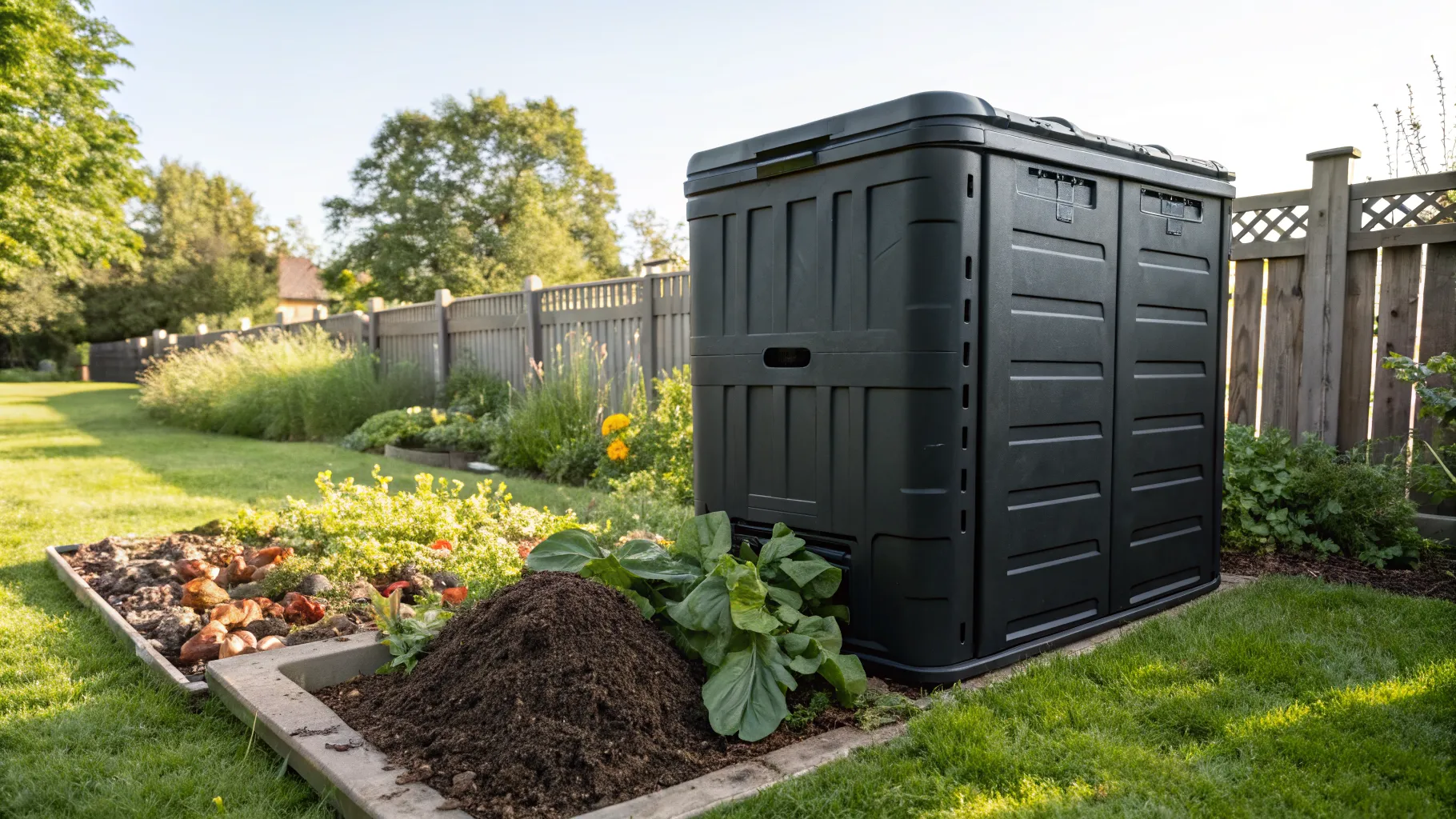
Understanding Different Types of Outdoor Composting Bins
The market offers a variety of composting systems, each with unique advantages. Understanding these differences is crucial for effective yard waste recycling. Your choice will depend on the volume of waste you generate, the space you have available, and how hands-on you want to be in the process. The right choice will make your composting journey smooth and successful.
Stationary Compost Bins
Stationary bins are typically large-capacity containers, perfect for gardeners who produce a significant amount of yard waste and kitchen scraps. These are often open at the bottom to allow beneficial organisms from the soil to enter and accelerate decomposition. They are a classic style of garden composter, requiring less frequent turning than other types, though turning with a pitchfork or aerator tool can speed up the process. Many models are made from recycled plastic and are designed to be durable and weather-resistant, blending seamlessly into a garden environment.
Compost Tumblers
A compost tumbler is a fully sealed container mounted on an axle or a base that allows it to be rotated. This design makes turning the compost incredibly easy, which aerates the mixture and significantly speeds up the decomposition process. Because they are sealed, they heat up faster, deter pests effectively, and are less messy than open-air piles. They are an excellent choice for urban or suburban settings where space might be limited and containing the compost is a priority. Managing the moisture level in a compost tumbler is key to preventing the contents from becoming too wet or too dry.
Worm Composters (Vermicomposting)
While often used indoors, worm composters, or vermicomposters, can also be used in shaded outdoor areas in moderate climates. These systems use red wriggler worms to break down organic waste, primarily kitchen scraps, into nutrient-rich worm castings. They are highly efficient and produce some of the highest quality compost available. They are not suitable for large volumes of yard waste recycling, but they are a fantastic supplement to a larger system.
What to Put in Your Outdoor Composting Bins
A successful compost pile requires a balanced mix of 'green' and 'brown' materials. This balance provides the necessary nitrogen and carbon for microorganisms to thrive and break down the organic waste. Getting this ratio right is the secret to fast, odor-free composting.
- Green Materials (Nitrogen-rich): This category includes fruit and vegetable scraps, coffee grounds, tea bags, grass clippings, and plant trimmings. These materials provide moisture and nitrogen, which are essential for microbial growth.
- Brown Materials (Carbon-rich): Think of dried leaves, straw, hay, sawdust, wood chips, shredded newspaper, and cardboard. These materials provide carbon for energy and create air pockets within the pile, which is crucial for aeration.
Avoid adding meat, dairy, oily foods, or pet waste to your standard garden composter, as these can attract pests and create unpleasant odors. Proper yard waste recycling starts with knowing what to include and what to exclude.
Key Features to Consider Before Buying
When selecting from the many outdoor composting bins available, several features can make a big difference in your experience. Consider these factors to find the best fit for your lifestyle and garden.
- Capacity: Bins are measured in gallons or cubic feet. A small household might need a 50-gallon bin, while a family with a large yard may need one that's 80 gallons or more. It's often better to have a slightly larger bin than you think you'll need.
- Aeration: Good airflow is critical for decomposition. Look for bins with adjustable air vents, holes, or other features that promote aeration. A compost tumbler excels in this area due to the mixing action.
- Material and Durability: Most bins are made from UV-stabilized, recycled plastic, which is durable and long-lasting. Wooden bins are aesthetically pleasing but may require more maintenance over time.
- Ease of Use: Consider how easy it is to add materials and remove the finished compost. Large openings at the top and a sliding door or hatch at the bottom are convenient features.
The Environmental and Garden Benefits of Composting
Embracing composting offers significant advantages beyond just reducing household waste. It's a proactive step toward a more sustainable lifestyle and a healthier garden. Using outdoor composting bins allows you to directly participate in the nutrient cycle, turning what was once considered trash into a valuable resource. The process enriches soil, helps retain moisture, and reduces the need for chemical fertilizers. This not only saves money but also prevents harmful runoff into local waterways. Furthermore, by diverting organic waste from landfills, you help reduce the production of methane, a potent greenhouse gas. It's a simple action with a powerful positive impact.
Frequently Asked Questions
How long does it take to make compost in outdoor composting bins?
The time varies based on the type of bin, the materials used, and how often it's turned. A well-managed compost tumbler can produce finished compost in as little as 3-4 weeks. A stationary garden composter might take anywhere from two months to a year.
Do outdoor composting bins attract pests?
If managed correctly, they shouldn't. Pests are usually attracted to meat, dairy, or oily foods, which should be excluded. A properly sealed bin, like a compost tumbler, offers the best protection against rodents and other critters. Ensuring a good balance of brown materials also helps cover food scraps and minimize odors.
Where is the best place to put a garden composter?
Place your garden composter in a level, well-drained spot that is convenient to access from both your house and your garden. A partially sunny spot is ideal, as the heat can help accelerate decomposition. Avoid placing it directly against wooden fences or buildings to ensure adequate airflow around the unit.
References
- Gardening and Environmental Protection Agency Guidelines
- University Agricultural Extension Program Publications
- Books on Organic Gardening and Soil Health
Authored by FreshLifeWire team