Complete Guide to Choosing Your Perfect Piano
Piano Types and Features Explained: The Complete Buying Guide for Beginners and Enthusiasts
Pianos have captivated music lovers for centuries. As we step into 2025, the evolution of pianos brings a plethora of options for both beginners and seasoned enthusiasts alike. Understanding the types of pianos explained is essential for making an informed choice. This guide will navigate you through the various types of pianos, the crucial differences between digital and acoustic pianos, how to choose the right size for your needs, and highlight brands known for their standout features.
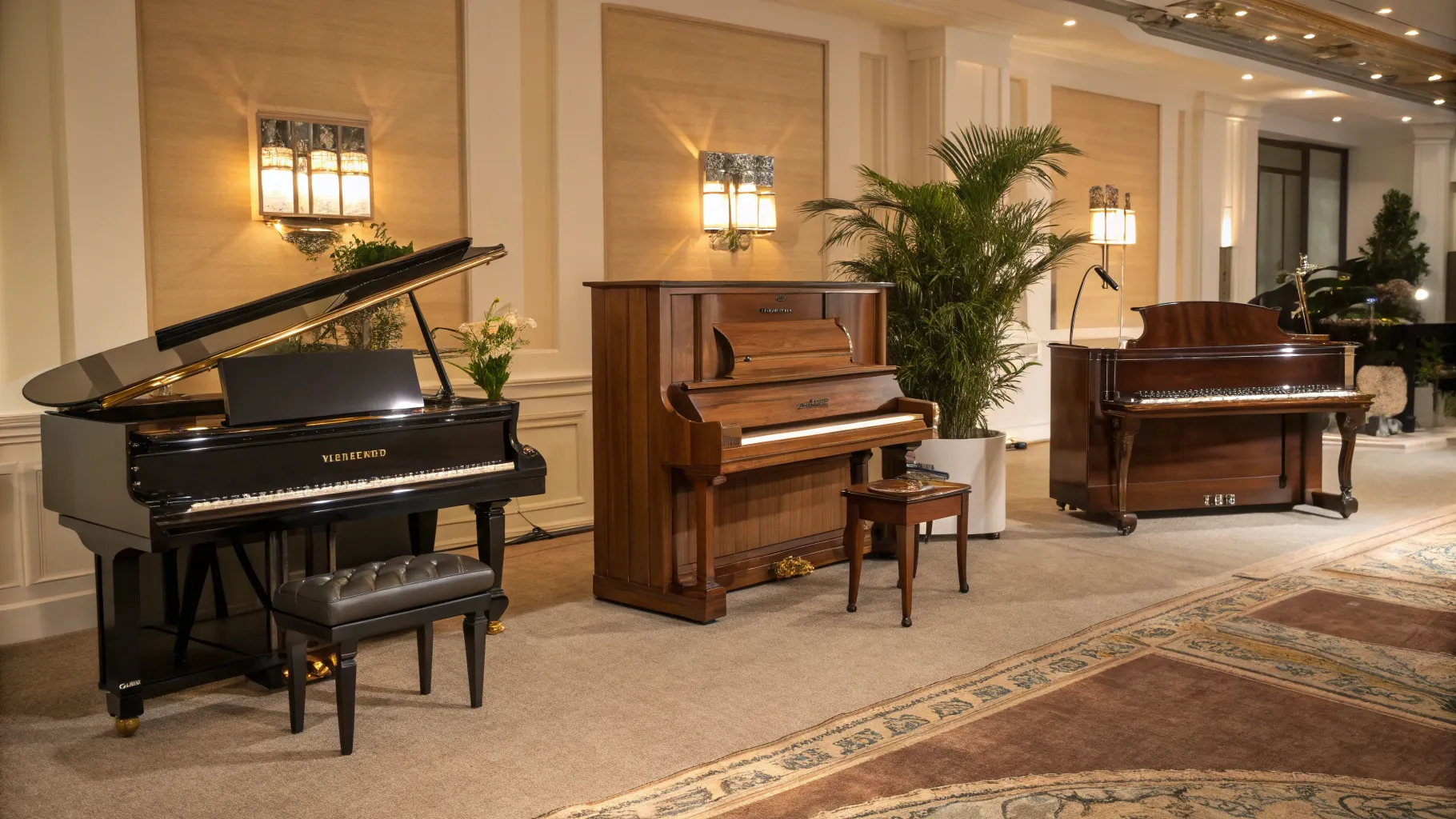
Types of Pianos Explained
- Acoustic Pianos: Traditional acoustic pianos are either grand or upright. Grand pianos offer a larger soundboard for richer sound, intended for performance settings or spacious rooms. An upright piano, conversely, is compact, making it ideal for smaller spaces.
- Digital Pianos: Digital pianos simulate the sound and feel of acoustic pianos using electronic means. They often include various sounds, features like recording, and easy connectivity to other devices. Their portability and practicality for practice make them suitable for beginners.
- Hybrid Pianos: Hybrid pianos combine the best of both worlds. They have acoustic piano components but offer digital features, providing versatility and a rich, nuanced sound experience.
The choice between these types hinges on your personal needs. If you have the space and budget, an acoustic piano can provide a performance feel. Digital pianos are perfect for the beginner who may not have the luxury of room or budget, while hybrids serve as a balance of both.
Digital vs Acoustic Piano Differences
When assessing digital vs acoustic piano differences, it’s essential to look at several key factors:
- Sound Quality: Acoustic pianos produce sound through real vibrating strings and soundboards, which often yields a richer and more complex tonal quality. In contrast, digital pianos use samples and synthesized sounds that have dramatically improved over the years, making it difficult to distinguish between the two at times.
- Maintenance: Acoustic pianos require regular tuning and maintenance due to changing humidity and temperature. Digital pianos, however, need minimal upkeep, enhancing their appeal, especially to beginners who may not be ready for the responsibilities of maintaining an acoustic instrument.
- Features: Digital pianos often come equipped with additional features such as recording capabilities, built-in learning tools, and connection options for apps and MIDI devices. Acoustic pianos typically focus solely on sound production.
- Space and Portability: Digital pianos are generally lighter and easier to move. If you're living in a smaller space or traveling, a digital option might serve you better than a bulky acoustic.
How to Choose the Right Piano Size
Choosing the right piano size is crucial, especially for home use. Here are some tips on how to choose the right piano size for your setting:
- Measure Your Space: Start by determining how much space you have available. Grand pianos can reach up to 9 feet in length, while upright pianos are typically 5 feet tall and can fit snugly against a wall.
- Consider Placement: Think about where the piano will be placed. Ideally, it should be in a location free from drafts and direct sunlight to protect it from damage.
- Think About the Sound: Larger pianos produce richer sound due to their soundboard size. However, if you choose a smaller model, the acoustics of your space can also play a significant role in how sound travels.
- Future Plans: If you are a budding musician, consider how your requirements may evolve. A portable digital piano might be more suitable for travel, while an acoustic piano could be a long-term investment.
Brands with the Best Features
With countless piano brands available, knowing which ones excel in particular features can help streamline your decision. Here are some top brands renowned for their quality and innovation:
- Yamaha: Known for producing reliable and versatile pianos, Yamaha offers digital, acoustic, and hybrid models. Their Clavinova series is particularly well-regarded among beginners for its realistic feel and sound.
- Kawai: Often praised for their exceptional touch and tone, Kawai pianos integrate modern technology with traditional craftsmanship. Their soundboards are crafted from solid wood, enhancing durability and sound quality.
- Roland: A leader in digital pianos, Roland’s innovative technology delivers highly realistic sound emulation and a wide range of features, making learning and performance engaging.
- Steinway & Sons: For those with a higher budget, Steinway pianos are synonymous with excellence. Their grands are coveted by concert pianists for their warm, musical tone.
When looking at pianos, always consider demoing them in-store. The feel, sound, and responsiveness can differ, and personal preference plays a significant role in your buying decision. A good rule of thumb is to spend time playing to figure out what works for you.
The Best Piano for Beginners at Home
For those just starting out, you might be wondering what the best piano for beginners at home is. Here are some of the top choices as of 2025:
- Yamaha P-125: This digital piano offers 88 weighted keys, a realistic feel, and integrated features for learning purposes, all at a reasonable price point.
- Roland FP-30X: Compact yet powerful, the FP-30X boasts superior sound quality and connectivity options, perfect for both home use and when on the go.
- Korg B2SP: An excellent choice for beginners with its user-friendly interface, the Korg B2SP comes with built-in speakers and a lightweight design, ideal for home education.
Investing in the right piano can enormously affect your learning experience. Whether you choose a digital or acoustic model, each type offers unique benefits that cater to a variety of needs. So, take your time, explore your options, and find the piano that resonates most with your musical journey!
Authored by FreshLifeWire team