A Complete Guide to Buying Used Restaurant Equipment
A guide to buying used restaurant equipment
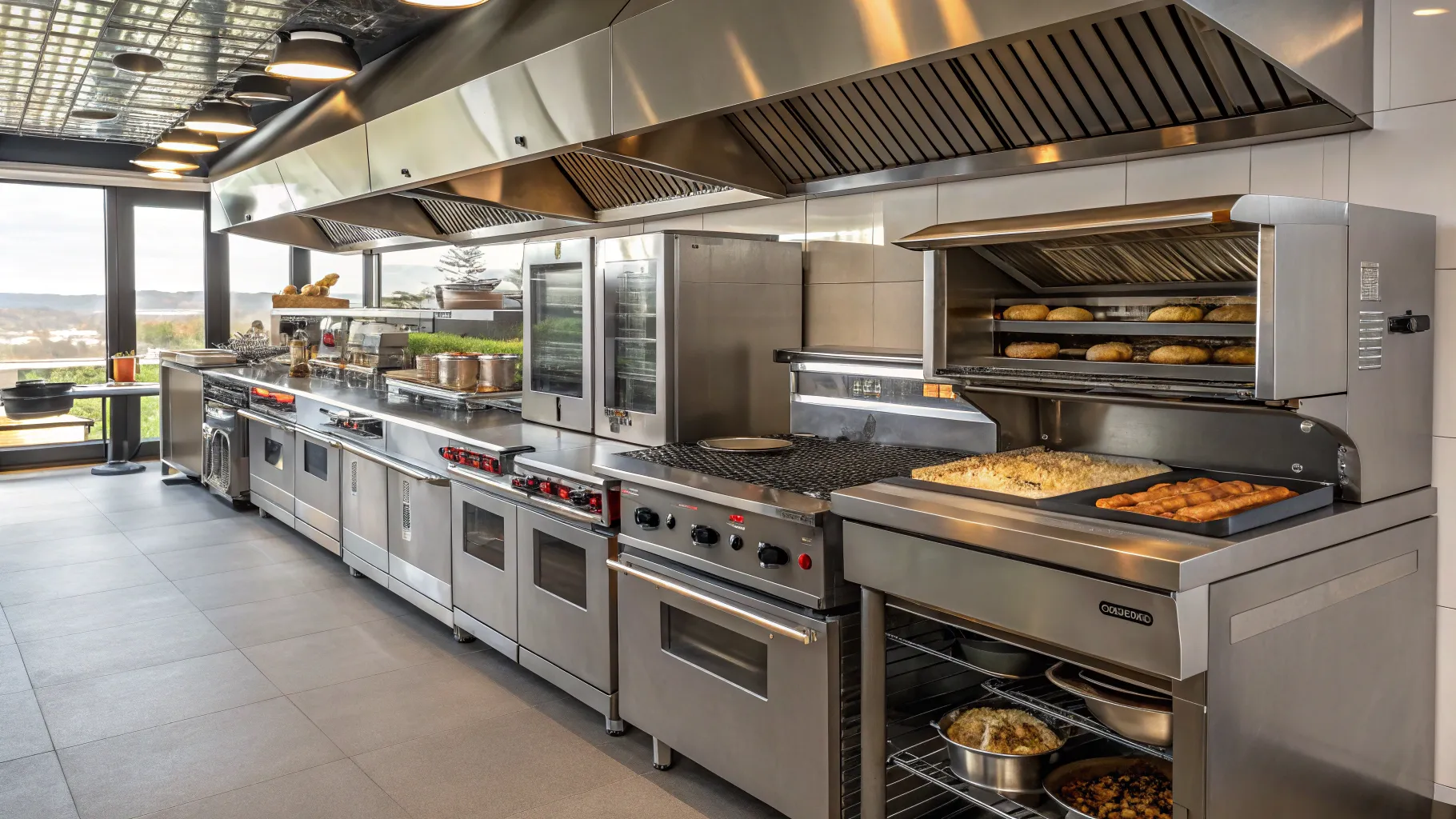
Opening a restaurant is an exciting venture, but the costs involved can add up quickly. Fortunately, one of the smartest strategies to minimize your initial investments is by purchasing used restaurant equipment. In this guide, we will explore the benefits of buying used equipment, tips on where to find used restaurant equipment, what to consider before purchasing, negotiating your purchase, and the long-term maintenance and care for used equipment.
The benefits of buying used equipment
There are numerous advantages to choosing previously-owned equipment over brand-new alternatives. For one, the cost savings can be substantial. On average, a restaurant can save up to 50% by opting for used equipment. This means more capital can be allocated towards other essential areas such as hiring staff, marketing, or even upgrading your restaurant's decor.
- Immediate Availability: Used equipment is often readily available, unlike new equipment that may require a lengthy lead time for manufacturing and delivery.
- Quality and Durable Brands: Many used appliances come from high-quality brands known for their longevity, meaning you can benefit from well-constructed equipment without the hefty price tag.
- Reduced Depreciation: New equipment depreciates significantly within the first few years. Buying used allows you to bypass that initial loss in value.
- Environmental Impact: Opting for used equipment helps reduce waste, thus benefiting the environment.
Each of these points reinforces just how beneficial it can be to select used over new. This strategy is particularly important in an unpredictable economy, which makes cost-effective decisions critical for any new establishment.
Where to find used restaurant equipment
Finding quality used restaurant equipment is more straightforward than you might think. Here are some popular avenues to explore:
- Restaurant Supply Stores: Many supply stores sell refurbished or previously owned gear at reduced rates. Some even offer warranties on used appliances.
- Online Marketplaces: Websites like eBay, Craigslist, and Facebook Marketplace are ripe with options. You can often find everything from ovens to coffee machines.
- Auctions: Restaurant equipment auctions can yield fantastic deals on a variety of items. Online auction sites have become increasingly popular, allowing you to bid from the comfort of your home.
- Local Classifieds and Listings: Community boards often list businesses closing down, offering their equipment for sale. Don’t underestimate the power of word-of-mouth in your local area.
It's essential to thoroughly research any source you choose when purchasing used equipment. Look for reviews or ask fellow restaurateurs for their experiences. The more informed you are, the better decisions you can make.
What to consider before purchasing
Before you finalize your purchase of used restaurant equipment, there are several key considerations to keep in mind:
- Condition: Inspect every piece of equipment meticulously. Look for any signs of wear and tear, corrosion, or damage. If possible, test the equipment before buying to ensure it functions properly.
- Age: Generally, the older the appliance, the more it may require repairs down the road. Understanding its age can give you insight into its remaining lifespan.
- Compatibility: Ensure that the equipment is compatible with your restaurant’s needs, including layout, electrical supply, and menu requirements.
- Operational Costs: Older equipment may have higher energy consumption. Factor in the long-term costs, including potential maintenance versus the initial purchase price.
By focusing on these key areas, you can ensure you're making a wise investment rather than just saving a few bucks.
Negotiating price and terms
Once you’ve found your desired equipment, the next step is to negotiate. Don’t be afraid to advocate for yourself during this process. Here are practical tips to help you secure a fair deal:
- Do Your Research: Know the market price for similar items. This knowledge gives you a strong foundation for negotiations.
- Start Lower: Start your offer lower than what you’re willing to pay. This gives you room to negotiate up but still end at a price you’re comfortable with.
- Understand the Seller: If you’re buying from an individual or a business, understanding their motivation for selling can help frame your offer. If they’ve had the equipment sitting around for a while, they might be more willing to negotiate.
- Request Terms: Inquire about warranties and return policies. If something goes wrong shortly after your purchase, having terms in place can save you from unforeseen expenses.
Remember, negotiation is standard in the used market. Approach these conversations confidently, knowing that a fair outcome benefits everyone.
Long-term maintenance and care for used equipment
Having acquired your used equipment, the final step is ensuring its longevity through proper care and maintenance:
- Regular Inspections: Designate a schedule for routine checks on all kitchen appliances. Regular inspection helps catch small issues before they become major problems.
- Professional Servicing: Don’t hesitate to hire professionals for servicing and repairs, especially for complex equipment. Regular professional tune-ups can extend the life of your equipment considerably.
- Cleaning Protocols: Establish a strict cleaning regime. Proper cleaning not only enhances equipment efficiency but also ensures safety and hygiene in your restaurant.
- Keep Documentation: Maintain records of all repairs and check-ups. This is helpful for future reference and can come in handy for warranty claims.
Investing in used restaurant equipment can be a smart strategy for beginning restaurateurs. By understanding the process of purchasing, considering essential factors, negotiating effectively, and maintaining your equipment, you position your new establishment for success. In a dynamic and competitive industry, every smart choice counts, and buying used is often a game-changer.
Authored by FreshLifeWire team