Comparing Military Boats by Nation Insights 2025
Comparing Military Boats by Nation in 2025
In an ever-evolving landscape of global security, comparing military boats by nation provides vital insights into the naval capabilities that shape international relations and conflicts. As of now, 2025, countries are investing heavily in their naval technologies, showcasing advancements that not only increase their threat deterrence but also enhance their operational effectiveness.
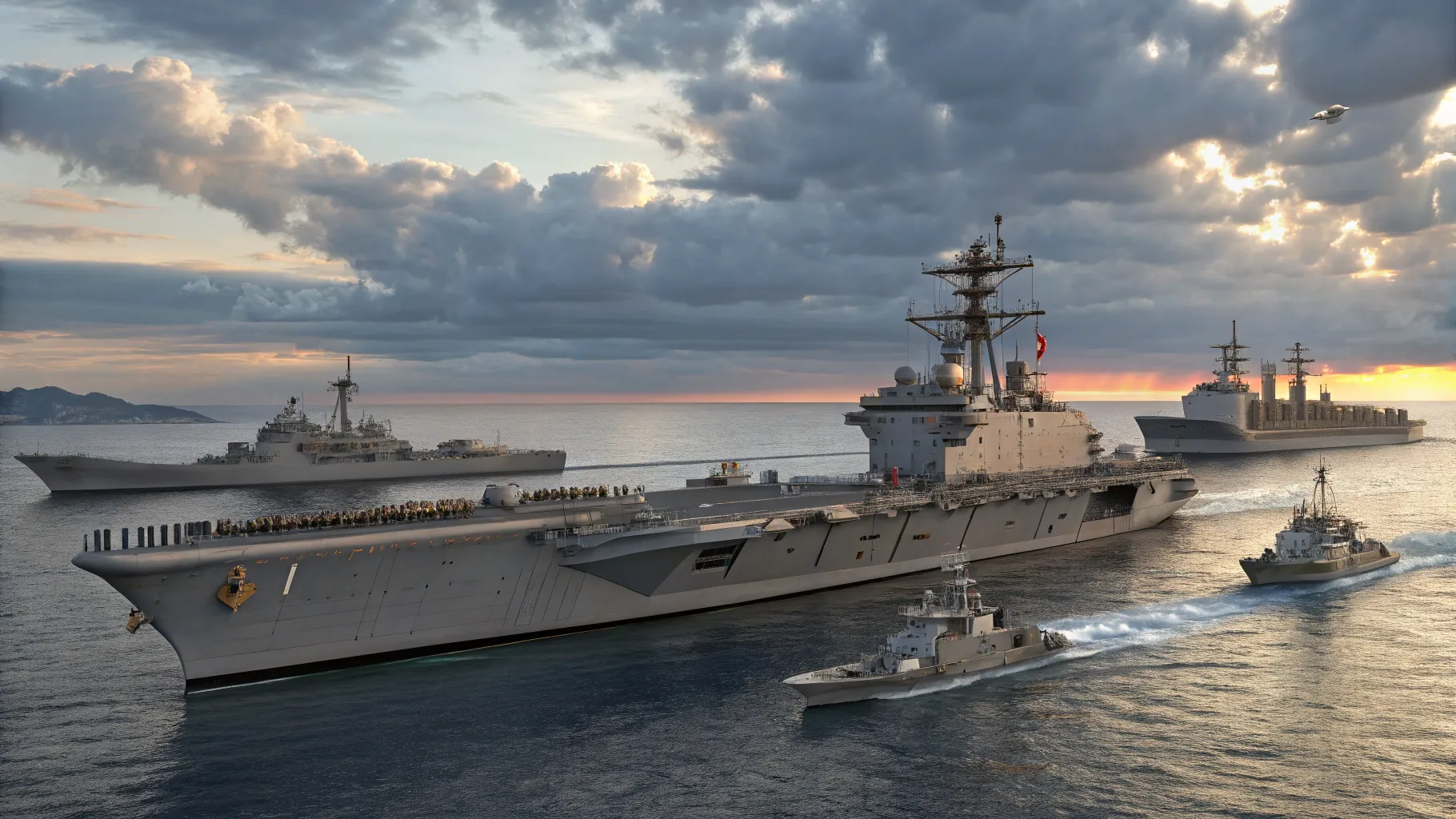
Modern Warship Fleets by Nation
With tensions simmering across various regions, nations understand the importance of maintaining a robust naval fleet. Here is a brief overview of some of the most significant modern warship fleets around the world.
- United States: The US Navy is renowned for its formidable carrier strike groups. Comprising 11 aircraft carriers like the USS Gerald R. Ford, which boasts advanced electromagnetic aircraft launch systems (EMALS) and a highly versatile strike capacity, the US leads in naval technology. The fleet also includes state-of-the-art destroyers and submarines equipped with both conventional and nuclear propulsion.
- China: The People's Liberation Army Navy (PLAN) has rapidly expanded. With its growing fleet of aircraft carriers, including the Liaoning and Shandong, and a staggering number of modern destroyers, China’s naval prowess has become a critical factor in regional maritime disputes, especially in the South China Sea.
- Russia: The Russian Navy maintains a more traditional approach yet emphasizes strategic assets like the nuclear-powered submarines and cruisers, including the Peter the Great, the world’s largest nuclear cruiser. Their focus remains on anti-access/area denial capabilities, particularly in the Arctic region.
- India: The Indian Navy is undergoing significant upgrades. The induction of indigenous aircraft carriers and advanced submarines highlights India’s commitment to becoming a major regional power in the Indian Ocean. The latest Vishakhapatnam-class destroyers equipped with modern sensor and weaponry systems reflect India's modernization efforts.
Types of Military Boats by Nation
The diversity in military boat design varies not only by technological sophistication but also by operational doctrine and strategic necessities. Nations often tailor their fleets to meet specific requirements, leading to a variety of boat types being developed:
- Aircraft Carriers: Primarily used by the US and China, these vessels serve as floating air bases, enabling unprecedented power projection worldwide.
- Submarines: Often characterized by stealth, submarines are crucial for strategic deterrence. Countries like Russia and the US lead in the development of advanced nuclear submarines, capable of launching long-range ballistic missiles.
- Patrol Boats: Nations with extensive coastlines, like the Philippines and Brazil, employ fast patrol boats for quick response to piracy, illegal fishing, and smuggling.
- Landing Ship Docks (LSDs): Essential for amphibious operations, these vessels are employed by the US and several NATO allies, facilitating troop transport and logistical support during conflicts.
Differences in Naval Technology Across Countries
The pace of technological advancement in military naval vessels reflects broader national strategies and substantial investment in research and development. For instance, nations like the US have consistently pushed the envelope with stealth technology, radar-evading designs, and advanced communications systems.
Conversely, nations like India are also making substantial strides in indigenous technology, aiming for self-sufficiency through initiatives like "Make in India." India’s latest submarines feature cutting-edge stealth capabilities and sonar systems, enabling effective undersea warfare.
China's naval advancements often highlight artificial intelligence applications in warfare, operational efficiency, and autonomous weapon systems, fundamentally altering how naval operations might unfold in the future.
Regional Naval Power Comparison
The landscape of naval power is not static; it is continuously influenced by regional complexities, alliances, and geopolitical tensions. Observers have noted the strategic partnership shifts, particularly between nations navigating the Indo-Pacific region. For instance, the AUKUS pact between Australia, the UK, and the US explicitly aims at countering China's maritime assertiveness.
In Europe, the newly bolstered naval cooperation within the EU reflects a recognition of mutual defense needs, building up fleets to deter Russian aggression in the Baltic and the Atlantic. This includes joint drills and the shared development of future naval technologies among member states.
Military Boat Comparison Worldwide
The global comparison of military boats reveals a distinct set of strategic priorities. For instance, while the US and China focus on blue-water capabilities (operating in open ocean conditions), many European nations concentrate on green-water operations, primarily focused on coastal defense and ensuring maritime security in their contiguous waters.
Additionally, smaller nations are increasingly looking to build partnerships that allow them to enhance their capabilities without the need for extensive resources. Collaborative exercises and technology-sharing agreements provide nations like Vietnam or South Africa the opportunity to rapidly integrate modern technologies into their fleets.
The variety of designs and capabilities among military boats is indicative of the multifaceted nature of modern naval warfare. While some nations prioritize sheer size and power (like the US with its supercarriers), others may focus on innovative designs that enhance stealth and defense mechanisms (as seen in many contemporary European warships).
In 2025, the global stage of military naval strength is defined not only by the number of vessels a country possesses but also how effectively they can operate, collaborate, and respond to emerging challenges. As countries continue to invest in their naval capabilities, the dynamics of power and security will continue to evolve, highlighting the vital importance of naval forces in ensuring national and global stability.
Authored by FreshLifeWire team