Comparing Military Boats by Country and Naval Trends 2025
Comparing Military Boats by Country
As we navigate through 2025, the landscape of military boats and naval technology continues to evolve at a remarkable pace. Every nation invests in enhancing its naval fleet, focusing on various types of military vessels to maintain a strategic advantage. This article delves into the current state of military boats by country, exploring the differences in naval vessels worldwide and examining the trends in modern military boat technology.
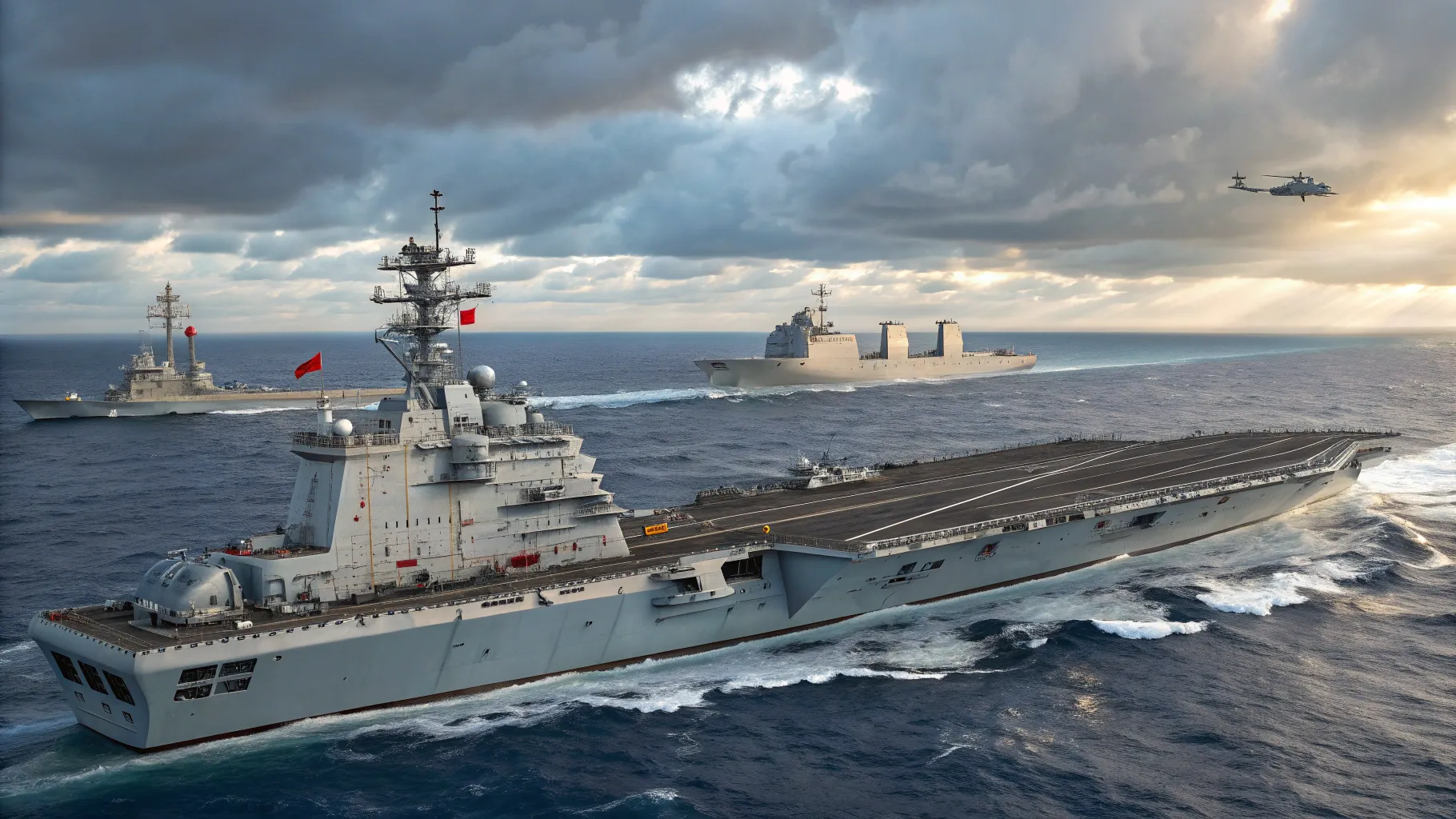
Overview of Military Boats by Nation
Across the globe, the definition of military boats encompasses a broad range of naval vessels, including destroyers, frigates, submarines, and amphibious assault ships. Each nation tailors its naval strategy based on its specific needs, geographical location, and governmental military policies.
- United States: The U.S. Navy maintains one of the largest and most advanced fleets in the world. With over 300 deployable battle force ships, the U.S. continues to focus heavily on aircraft carriers and guided-missile destroyers. The USS Gerald R. Ford, for instance, is the first in a new class of supercarriers, designed with advanced technologies for enhanced operational capability.
- China: China has heavily invested in expanding its naval capabilities. The Chinese Navy, or PLAN, has made significant strides with the introduction of new aircraft carriers and Type 055 destroyers. The country aims to establish itself as a dominant maritime power in the Indo-Pacific region.
- Russia: In contrast, the Russian Navy maintains a smaller fleet but has focused on powerful vessels like the Kirov-class battlecruisers and the recent introduction of advanced submarines such as the Yasen-class. These vessels are equipped with cutting-edge technology for asymmetric warfare.
- India: India is also enhancing its naval strength by developing its indigenous fleet. With the commissioning of the INS Vikrant, India now operates its first aircraft carrier built in the country. The Indian Navy is focusing on both blue-water and coastal operations.
These varying examples highlight how military boats by country are not just numbers but reflections of national priorities, regional security concerns, and advancements in naval technology.
Types of Warships Used by Different Nations
The types of warships employed vary significantly among countries. For example, the U.S. Navy's Zumwalt-class destroyers are known for their stealth capabilities, while the Royal Navy utilizes the Type 45 destroyers, designed to protect against aerial threats. Each class of warship serves distinct roles, from protecting carrier groups to anti-submarine warfare.
- Aircraft Carriers: Essential for power projection, carriers act as floating military bases. The U.S. operates Nimitz and Ford-class carriers, which have been pivotal in recent conflicts.
- Submarines: Nations like the U.S., Russia, and China are engaged in a race to develop advanced submarine technology. The Virginia-class submarines of the U.S. and Russia's Borei-class exemplify the sophistication of modern underwater warfare.
- Frigates: These smaller, versatile vessels have become increasingly important. The U.S. Freedom-class and the Indian Navy's Project 17A frigates represent a shift toward adaptable fleets capable of surface and air defense.
The evolving designs and roles of these ships reflect the changing nature of naval warfare, emphasizing versatility and technological superiority. Additionally, with emerging technologies like unmanned systems and artificial intelligence, the future of naval combat looks vastly different than it has in previous decades.
Regional Naval Fleet Comparison
When analyzing naval fleets by region, a fascinating picture emerges. The Indo-Pacific region is particularly significant, with nations vying for dominance and stability in these waters. The rise of China has prompted increased naval activity from countries like Japan, Australia, and India, all modernizing their fleets to address the challenges posed by China's expanding capabilities.
In Europe, NATO members such as the UK and France maintain significant naval forces. Joint exercises and collaborative operations have been fundamental in ensuring regional stability, emphasizing the importance of interoperability between allies.
- Indo-Pacific: China's shipbuilding programs attempt to outpace those of its neighbors, while India and Japan are enhancing cooperative security measures through joint naval exercises.
- Europe: The European Union has invested in maritime security and defense capabilities, with countries like Norway and Germany making technological advancements in warships.
Furthermore, the Middle East presents another set of challenges, with states like Iran expanding their naval warfare capabilities, causing concern among neighboring countries and the West.
Modern Military Boat Trends by Country
The trends in modern military boats are heavily influenced by technological innovations and strategic needs. Notably, the focus on stealth, automation, and network-centric warfare is altering traditional naval operations.
Moreover, environmental considerations are playing an increasing role in naval design. Countries are looking for ways to minimize their fleets' carbon footprint while maximizing combat capabilities. For instance, the UK has initiated projects exploring alternative fuels for its naval vessels.
Furthermore, the integration of unmanned vessels into fleets is becoming more pronounced. The U.S. Navy has invested substantially in developing uncrewed surface vessels capable of performing reconnaissance, escort, and even combat roles.
As nations continue to innovate, it will be exciting to see how these trends evolve, influencing the strategic balance of power on the world's oceans.
In summary, the naval landscape in 2025 demonstrates not only the technological advancements within military boats but also the strategic shifts and collaborations occurring on the global stage. By observing the differences in military boats across countries, we gain valuable insights into the maritime policies and military strategies that will shape future geopolitical dynamics.
Authored by FreshLifeWire team