How to Compare Personal Loan Rates and Find the Best Offers
Facts:
- A good credit score can save you thousands.
- Online lenders often offer more competitive rates for personal loans.
How to Effectively Compare Personal Loan Rates for Maximum Savings
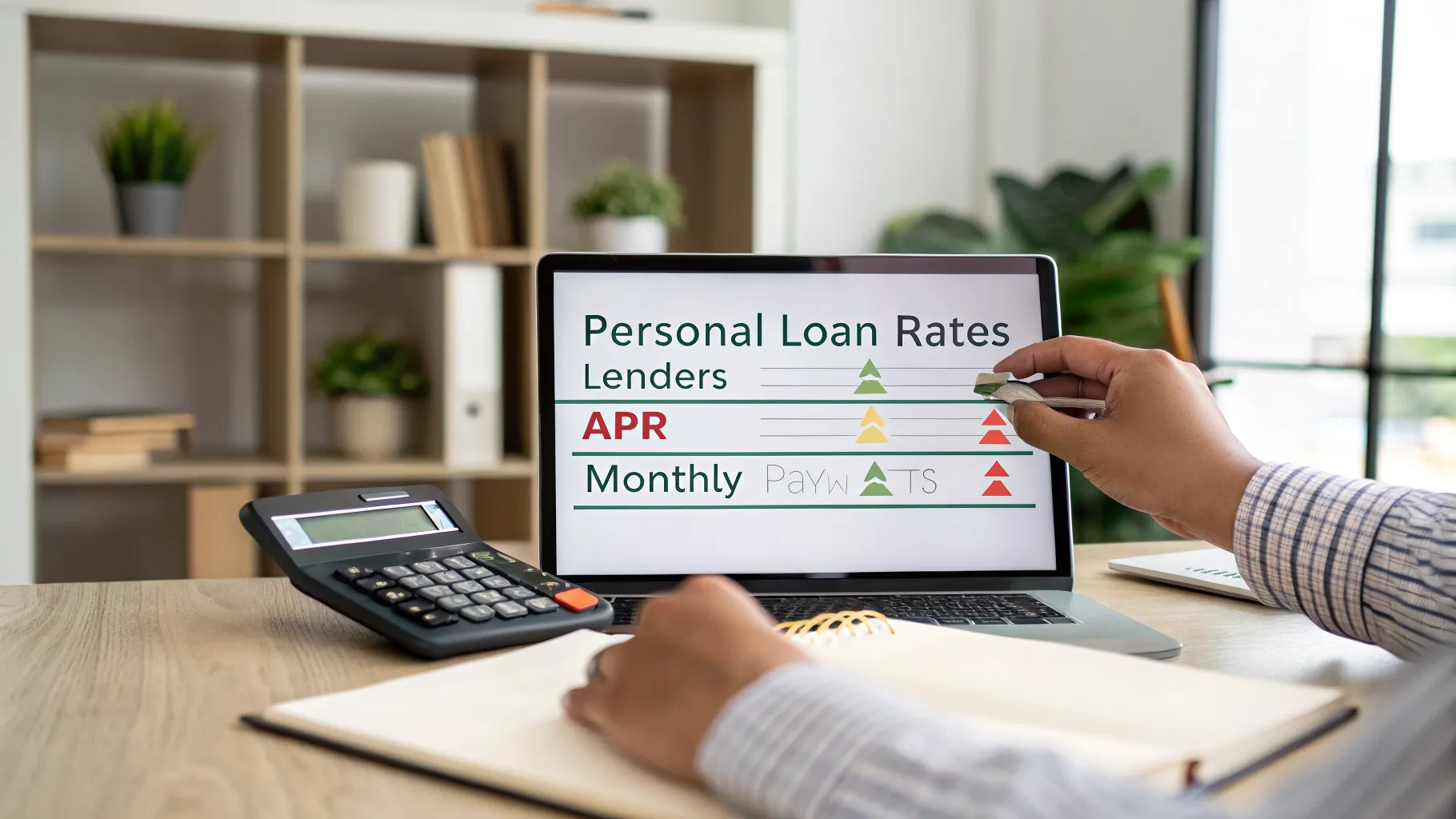
Navigating the world of personal financing can be complex, but a diligent approach to comparing options is the key to unlocking significant savings. When you decide to compare personal loan rates, you are not just looking for the lowest number; you are evaluating the total cost of borrowing, the flexibility of terms, and the reputation of the lender. This process empowers you to make an informed financial decision, ensuring you secure one of the best personal loans available for your specific needs, whether it's for debt consolidation, a large purchase, or an unexpected expense. A smart loan comparison considers Annual Percentage Rates (APRs), fees, and repayment periods to reveal the true cost of the loan.
Understanding the Key Factors That Influence Your Loan Offers
Several critical factors determine the personal loan rates you'll be offered. The most significant of these is your credit score. Lenders view a higher credit score as an indicator of lower risk, which translates into better interest rates. A score above 720 is typically considered good to excellent and will give you access to the most competitive offers and low interest loans. Another crucial element is your debt-to-income (DTI) ratio, which compares your monthly debt payments to your gross monthly income. Lenders prefer a lower DTI, as it suggests you have sufficient income to handle new debt. Furthermore, the loan amount and term length play a role. Longer terms might offer lower monthly payments but often result in paying more interest over the life of the loan. Understanding these components is the first step in a successful loan comparison strategy.
A Step-by-Step Guide to Your Personal Loan Comparison Journey
Finding the best personal loans requires a structured approach. Following a clear plan ensures you cover all your bases and make a choice that aligns with your financial goals. By systematically evaluating your options, you can confidently secure favorable terms and avoid hidden costs. Here is how to conduct an effective loan comparison:
- Check Your Credit Score: Before you even start looking for loans, obtain a copy of your credit report and check your credit score. Knowing where you stand allows you to target lenders who cater to your credit profile and identify any errors that might be holding you back from better personal loan rates.
- Get Pre-Qualified with Multiple Lenders: Most online lenders offer a pre-qualification process that involves a soft credit check, which doesn't impact your credit score. Submit applications to at least three to five different lenders—including banks, credit unions, and online platforms—to get a realistic range of the rates and terms you can expect.
- Compare APRs, Not Just Interest Rates: The Annual Percentage Rate (APR) is the most important figure in your loan comparison. It includes the interest rate plus any origination fees or other charges, giving you a more accurate picture of the total cost of borrowing. A loan with a slightly lower interest rate but a high origination fee might be more expensive overall than one with a higher rate but no fees.
- Read the Fine Print Carefully: Look for details about prepayment penalties, late fees, and the flexibility of payment schedules. Securing low interest loans is great, but not if they come with restrictive terms that don't fit your financial situation. Ensure you understand all the conditions before signing any agreement.
Common Pitfalls to Avoid When Seeking Low Interest Loans
While the goal is to find low interest loans, there are common mistakes that can lead to unfavorable outcomes. One major error is only applying to one lender, such as your primary bank. Loyalty doesn't always translate to the best rates, and failing to shop around means you could be leaving money on the table. Another pitfall is ignoring the fees. Origination fees, which can range from 1% to 8% of the loan amount, can significantly increase the total cost of your loan. Always factor these into your loan comparison. Also, be wary of extending the loan term just to get a lower monthly payment. While it may seem more affordable in the short term, a longer repayment period means you'll pay substantially more in interest over time. A thorough evaluation of all these factors is essential to finding the best personal loans for your situation.
Improving Your Credit Score to Secure the Best Personal Loans
If you're not satisfied with the personal loan rates you've been quoted, taking time to improve your credit score can make a huge difference. The most impactful action you can take is to make all your payments on time, every time. Payment history is the largest component of your credit score. Secondly, work on reducing your credit utilization ratio, which is the amount of revolving credit you're using compared to your total credit limits. Aim to keep this ratio below 30%. Avoid opening multiple new credit accounts in a short period, as this can result in several hard inquiries that temporarily lower your score. By focusing on these areas for a few months, you can significantly boost your credit score and become eligible for much more attractive low interest loans when you re-apply.
Frequently Asked Questions
What is a good APR for a personal loan?
A good APR depends heavily on your credit score and current market conditions. For borrowers with excellent credit (760+), an APR under 10% is often considered very good. For those with fair credit, an APR between 15% and 25% might be typical. The key is to compare personal loan rates from multiple sources to find the best offer for your profile.
How does loan pre-qualification affect my credit score?
Pre-qualification typically uses a soft credit inquiry, which does not affect your credit score at all. This allows you to shop around and perform a comprehensive loan comparison without any negative impact. A hard inquiry is only performed once you formally apply for and accept a loan offer.
Can I get a personal loan with a bad credit score?
Yes, it is possible to get a personal loan with a bad credit score, but your options will be more limited and the costs will be higher. You'll likely face much higher personal loan rates and fees. Some lenders specialize in loans for borrowers with poor credit, but it's crucial to read the terms carefully to avoid predatory lending practices.
References
- Federal Trade Commission Consumer Advice on Personal Loans
- Understanding Interest Rates and Loan Terms from Financial Regulators
- Guides on Improving Credit for Better Loan Offers
Authored by FreshLifeWire team