Common Structural Causes of Irregular Heartbeat Over 60 Explained
Facts:
- Atrial fibrillation affects nearly 10% of adults over 65.
- Consistent monitoring of heart rhythm is a growing trend for seniors.
Decoding the Heart's Architecture: Structural Changes After 60
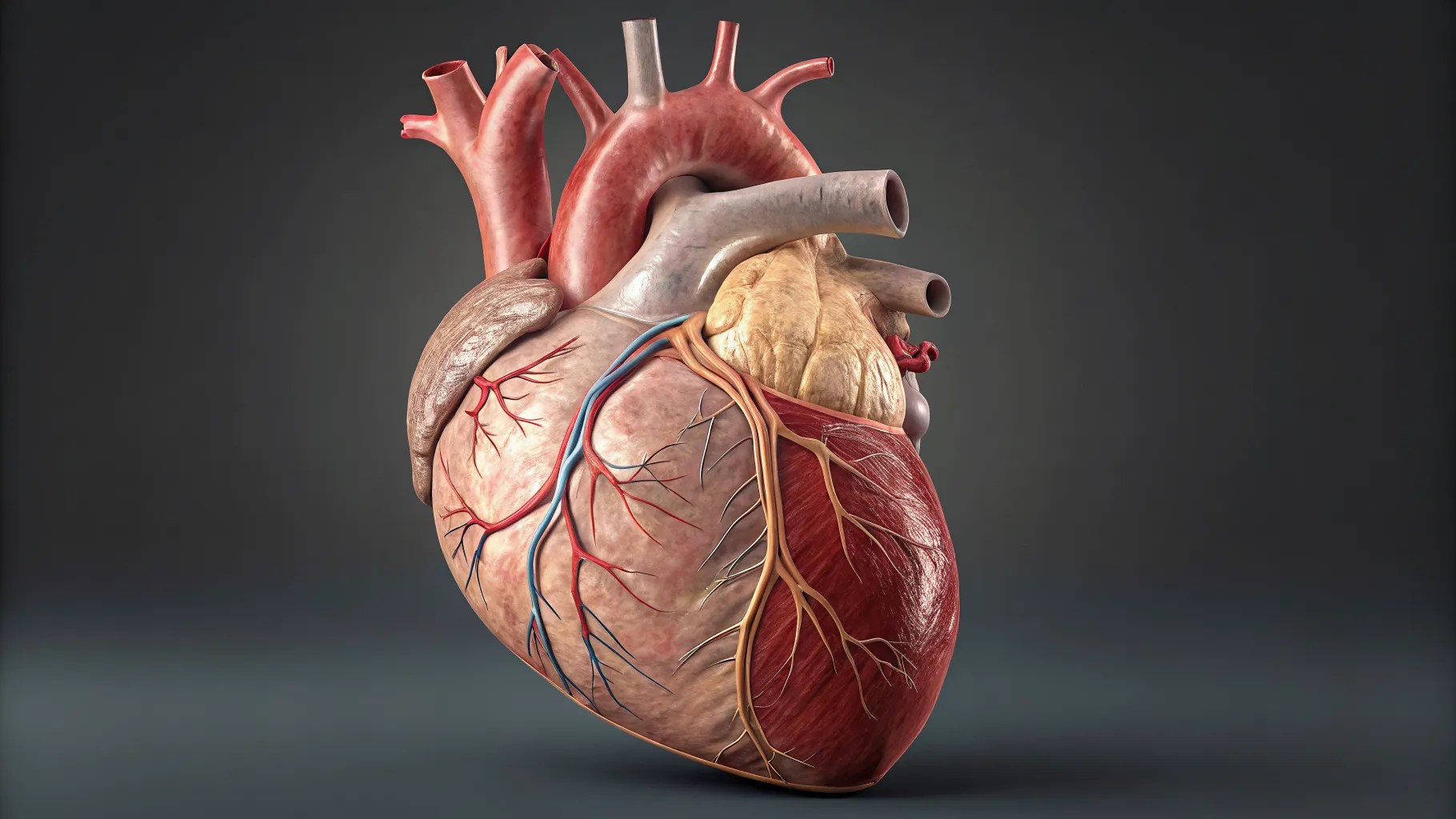
As we age, the heart, like any other muscle, undergoes significant changes. For individuals over 60, understanding these transformations is crucial, as they are often the root of arrhythmias. The common causes of irregular heartbeat are frequently tied to structural alterations rather than just lifestyle factors. These changes can affect the heart's electrical conduction system, leading to concerning heart palpitation symptoms elderly individuals often report. Recognizing the link between the heart's physical structure and its rhythm is the first step in effectively managing cardiovascular health later in life. This guide delves into the specific structural issues that can arise, providing clarity on one of the most pressing health concerns for seniors.
Atrial Remodeling and Fibrosis: The Genesis of Atrial Fibrillation
One of the most significant structural changes in the aging heart is atrial remodeling. This process involves the stretching and thickening of the heart's upper chambers (the atria), often accompanied by the development of fibrous, scar-like tissue. This condition, known as fibrosis, disrupts the normal pathways of electrical signals. Instead of a smooth, coordinated contraction, the signals become chaotic and rapid, leading to atrial fibrillation (AFib), the most common type of serious arrhythmia. Key atrial fibrillation indicators seniors should watch for include a racing or quivering heartbeat, shortness of breath, and fatigue. Understanding these indicators is vital because AFib significantly increases the risk of stroke. The fibrosis makes the atrial tissue less electrically stable, creating a perfect environment for the erratic impulses that characterize this condition. This is a primary example of how the common causes of irregular heartbeat are deeply rooted in the heart's physical makeup.
Valvular Heart Disease: When the Heart's Gates Falter
The heart's four valves act as one-way gates, ensuring blood flows in the correct direction. With age, these valves can stiffen (stenosis) or become leaky (regurgitation). When a valve, such as the mitral or aortic valve, doesn't function correctly, it forces the heart to work harder to pump blood. This increased workload can cause the heart chambers to enlarge and thicken over time. This structural change can stretch the heart's electrical pathways, leading to arrhythmias. The heart palpitation symptoms elderly individuals experience can often be traced back to valvular dysfunction. For instance, mitral valve prolapse or aortic stenosis are well-known structural triggers for various types of irregular heartbeats, including premature ventricular contractions (PVCs) and atrial fibrillation. Regular check-ups that include listening to the heart are crucial for detecting murmurs that may indicate underlying valve issues.
Cardiomyopathy and Hypertensive Heart Disease
Cardiomyopathy refers to diseases of the heart muscle itself, making it harder for the heart to pump blood. There are several types, including hypertrophic cardiomyopathy (thickened heart muscle) and dilated cardiomyopathy (enlarged and weakened heart muscle). Long-term high blood pressure (hypertension) is a leading cause of hypertrophic cardiomyopathy, as the heart muscle thickens to cope with the increased pressure. These structural abnormalities are significant among the common causes of irregular heartbeat. A thickened or enlarged heart muscle can disrupt the electrical system, creating faulty signals and arrhythmias. Improving cardiovascular health metrics, particularly blood pressure, is a key strategy in preventing these structural changes and the subsequent risk of an irregular heartbeat. The link is direct: a physically altered heart muscle is often an electrically unstable one.
Coronary Artery Disease and Scar Tissue Formation
Coronary artery disease (CAD) involves the buildup of plaque in the arteries that supply blood to the heart muscle. If an artery becomes completely blocked, it can lead to a heart attack (myocardial infarction). During a heart attack, a portion of the heart muscle is deprived of oxygen and dies, being replaced by non-conductive scar tissue. This scar tissue cannot transmit electrical impulses properly and can become a focal point for arrhythmias. This is a critical structural cause of irregular heartbeats, especially dangerous ones like ventricular tachycardia. Effective monitoring pulse rhythm variations is essential for patients with a history of CAD or heart attack, as it helps in the early detection of potentially life-threatening arrhythmias originating from these scarred areas. Managing cholesterol and blood pressure, key cardiovascular health metrics, is paramount in preventing the progression of CAD and subsequent structural damage.
Proactive Steps for Monitoring and Managing Heart Rhythm
Given the prevalence of structural heart changes after 60, taking a proactive stance is essential for maintaining cardiovascular health. It's not just about treatment but about early detection and management. By focusing on key health indicators and adopting modern monitoring techniques, seniors can significantly mitigate the risks associated with arrhythmias. Here are actionable steps to consider:
- Regular Cardiovascular Check-ups: Schedule annual visits with your doctor or cardiologist. These appointments should include an EKG (electrocardiogram) to assess your heart's electrical activity and a physical exam to listen for heart murmurs that may suggest valvular issues. This is fundamental to tracking your cardiovascular health metrics over time.
- Adopt Home Monitoring Technology: Modern technology offers accessible ways for monitoring pulse rhythm variations. Devices like smartwatches with EKG capabilities or portable heart monitors can help you and your doctor detect intermittent arrhythmias like AFib that might be missed during a clinic visit.
- Manage Blood Pressure and Cholesterol: High blood pressure and high cholesterol are direct contributors to structural heart changes. Adhering to prescribed medications and adopting a heart-healthy diet can prevent or slow the progression of hypertensive heart disease and CAD, two of the most common causes of irregular heartbeat.
- Recognize and Report Symptoms: Be vigilant about noticing heart palpitation symptoms elderly individuals should not ignore. These include fluttering, racing, or skipped beats, along with dizziness, shortness of breath, or chest discomfort. Promptly reporting these to your healthcare provider can lead to an earlier diagnosis and treatment.
Frequently Asked Questions
What are the most common heart palpitation symptoms elderly people experience?
The most common heart palpitation symptoms elderly individuals report include a feeling of a fluttering or quivering heart, a sensation of skipped or extra beats, a racing heartbeat (tachycardia), or a pounding in the chest. These can be accompanied by dizziness, lightheadedness, shortness of breath, or a general sense of anxiety. It's crucial not to dismiss these sensations as a normal part of aging.
How do doctors diagnose the structural causes of an irregular heartbeat?
Doctors use several diagnostic tools. An electrocardiogram (EKG) is the first step to record the heart's electrical signals. For a more detailed look at the heart's structure, an echocardiogram (an ultrasound of the heart) is used to visualize the heart muscle, chambers, and valves. Other tests may include a cardiac MRI, a stress test, or long-term heart rhythm monitoring with a Holter or event monitor to improve the chances of capturing intermittent arrhythmias and understanding the underlying common causes of irregular heartbeat.
Are all atrial fibrillation indicators in seniors a sign of a serious problem?
While any atrial fibrillation indicators seniors experience should be evaluated by a doctor, they point to a condition that requires management. AFib itself can be asymptomatic in some individuals, but it significantly increases the risk of stroke and heart failure. Therefore, even mild or infrequent symptoms warrant a medical consultation to assess risk and determine an appropriate treatment plan, which often includes medication to control heart rate and prevent blood clots.
References
- American Heart Association: Heart Rhythm Disorders
- National Institute on Aging: Heart Health and Aging
- Johns Hopkins Medicine: Structural Heart Disease Overview
- European Society of Cardiology: Guidelines on Atrial Fibrillation
Authored by FreshLifeWire team