Common Skin Rashes Types Causes Symptoms and Care 2025
Understanding Common Skin Rashes in 2025
In 2025, the field of dermatology is experiencing rapid changes, driven by factors such as heightened environmental pollution, shifts in diet, and the broader implications of global health crises. This dynamic environment has led to an increasing prevalence of skin rashes, making public education about skin health more critical than ever. Skin rashes not only cause discomfort and embarrassment but can also indicate serious underlying health issues. This article aims to shed light on the nature of common skin rashes, their potential causes, and when it's crucial to seek medical advice.
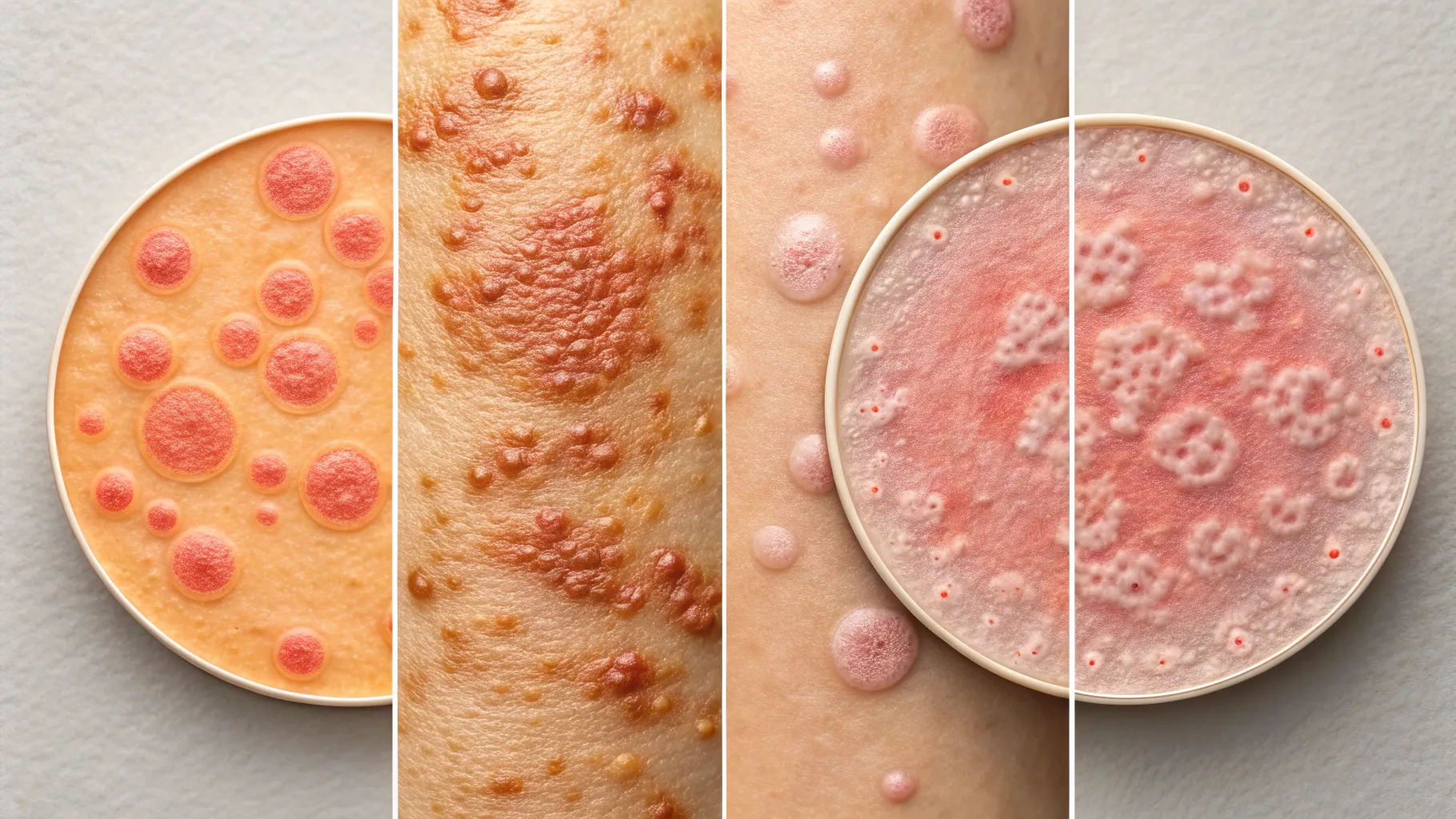
Key Types of Skin Rashes and Their Causes
Skin rashes come in numerous forms, each with unique symptoms and underlying causes. Recognizing these can help individuals address skin issues more effectively. Here are some of the most prevalent skin rashes that people are encountering in today's world:
- Eczema: Also known as atopic dermatitis, eczema is primarily a chronic condition affecting children, though it can emerge at any age. It typically presents as dry, itchy, red patches. Current estimates suggest that over 10% of the global population struggles with eczema, with numbers steadily increasing due to environmental stressors. Treatment usually involves moisturizing ointments and, in severe cases, prescription creams recommended by a dermatologist.
- Psoriasis: This autoimmune disorder leads to red, scaly patches that can provoke significant itching and discomfort. Various triggers, including stress and infections, can cause flare-ups. It's believed that approximately 3% of the global population lives with psoriasis. Recently, awareness campaigns have aimed to enhance patient engagement and treatment options.
- Contact Dermatitis: This rash results from direct contact with allergens such as soaps, metals, or plants like poison ivy. Symptoms include redness, swelling, and intense itching. In the United States alone, more than 50 million individuals are affected by contact dermatitis each year. This statistic emphasizes the importance of educating the public on prevention strategies.
- Viral Rashes: Viruses like chickenpox, measles, and hand-foot-and-mouth disease remain widespread. Recent outbreaks of chickenpox in unvaccinated communities have reignited discussions about the necessity of vaccinations. This viral infection usually manifests as itchy, blister-like rashes, underscoring the need for vigilance regarding immunizations.
- Fungal Rashes: Common fungal infections, such as ringworm and athlete's foot, present as circular, itchy patches. These conditions are particularly prevalent in communal spaces, with nearly 20% of dermatological visits attributed to fungal infections. Increased awareness about these infections is essential for effective management.
- Bacterial Rashes: Conditions like impetigo, especially common among children, manifest as contagious, red sores. Reports indicate an uptick in impetigo cases, particularly within schools, urging a call for improved hygiene practices to reduce its spread.
Identifying Skin Rashes Effectively
Accurate identification of a skin rash is crucial for appropriate treatment. When assessing a rash, consider several key factors:
- Appearance: Take note of the rash's color, texture, and overall shape. Persistent, scaly patches might signal psoriasis, whereas blisters could indicate a viral infection like chickenpox.
- Location: Where the rash appears offers significant clues. For example, eczema often presents on the inner elbows or behind the knees, while fungal infections might occur between the toes or on the scalp.
- Associated Symptoms: Accompanying symptoms are telling. If there's a fever or fatigue, it could suggest a viral infection, while severe localized pain might point to a bacterial issue.
Spotting Allergic Skin Rashes
Allergic reactions commonly trigger distinctive skin rashes arising from factors such as food allergies, medications, or environmental triggers. Recognizing allergic skin rashes is vital for preventing severe complications. Symptoms may include:
- Intense redness and irritation
- Itching or stinging sensations
- Raised bumps or hives, potentially severe in nature
Recent studies indicate a notable increase in food allergies among children, highlighting the importance of understanding how these allergies can result in skin manifestations, which can sometimes be alarming for parents.
Popular Viral and Bacterial Skin Conditions Today
Viral and bacterial infections are significant contributors to the growing number of reported skin rashes as of 2025. One condition to be particularly mindful of is hand-foot-and-mouth disease, which has re-emerged aggressively, particularly in young children. The rashes associated with this viral infection are generally found on the hands and feet, accompanied by painful sores in the mouth. Given its contagious nature, vigilance is essential within community settings.
On the bacterial side, impetigo presents an increasing concern especially among school-aged children—partly due to a rise in antibiotic-resistant strains. This complicates treatment, enhancing the necessity for strict hygiene measures in educational institutions to prevent outbreaks.
Using Visual Tools for Rashes
Visual aids can significantly enhance recognition of skin conditions. Many healthcare organizations provide extensive online resources featuring image libraries of common skin rashes, complete with detailed descriptions. For individuals uncertain about their skin condition, using these visual references can serve as a helpful first step before seeking medical care.
When to Consult a Healthcare Provider
While numerous skin rashes can be effectively managed at home, certain characteristics necessitate professional medical evaluation. It is advisable to seek medical attention if:
- The rash worsens or fails to improve with home care.
- Systemic symptoms like fever or significant pain develop, indicating potential infection.
- The rash expands rapidly or involves sensitive areas such as the face or genitals.
- Intense itching disrupts sleep or daily activities.
Recognizing these red flags can aid in preventing complications and facilitate a more efficient path to recovery.
Home Care for Minor Skin Irritations
Managing mild skin irritations from the comfort of your home is vital for recovery. Here are some useful tips:
- Keep Clean: Develop a routine involving gentle cleansing of the affected skin with mild soap and lukewarm water to remove irritants.
- Avoid Scratching: Although the itch may be intense, scratching can worsen the rash and increase the risk of infection.
- Stay Hydrated: Use fragrance-free moisturizers to soothe dry skin and help preserve moisture, aiding the healing process.
- Dress Comfortably: Opt for loose, breathable clothing to minimize irritation and friction against the rash.
- Consult a Dermatologist: If symptoms persist or over-the-counter treatments are ineffective, seeking a professional's advice is highly recommended.
Being knowledgeable about common skin rashes helps in taking proactive measures for maintaining skin health. By understanding the various types, how to identify them, and when to obtain professional help, you can manage your skin health more effectively. As the field of dermatology continues to evolve, we are increasingly better equipped to understand and address skin conditions, fostering a healthier future for everyone.
Authored by FreshLifeWire team