Common Questions About Dental Implants Explained
What Exactly is a Dental Implant
Dental implants are sophisticated dental devices designed to replace missing teeth. They provide a strong foundation for fixed or removable replacement teeth and are often made from titanium, which integrates well with bone. Essentially, a dental implant is a small titanium screw that is surgically inserted into the jawbone, acting as a root for the new tooth. Over time, the jawbone grows around the implant, securely anchoring it in place. This process is called osseointegration and is a key factor in the success of the procedure.
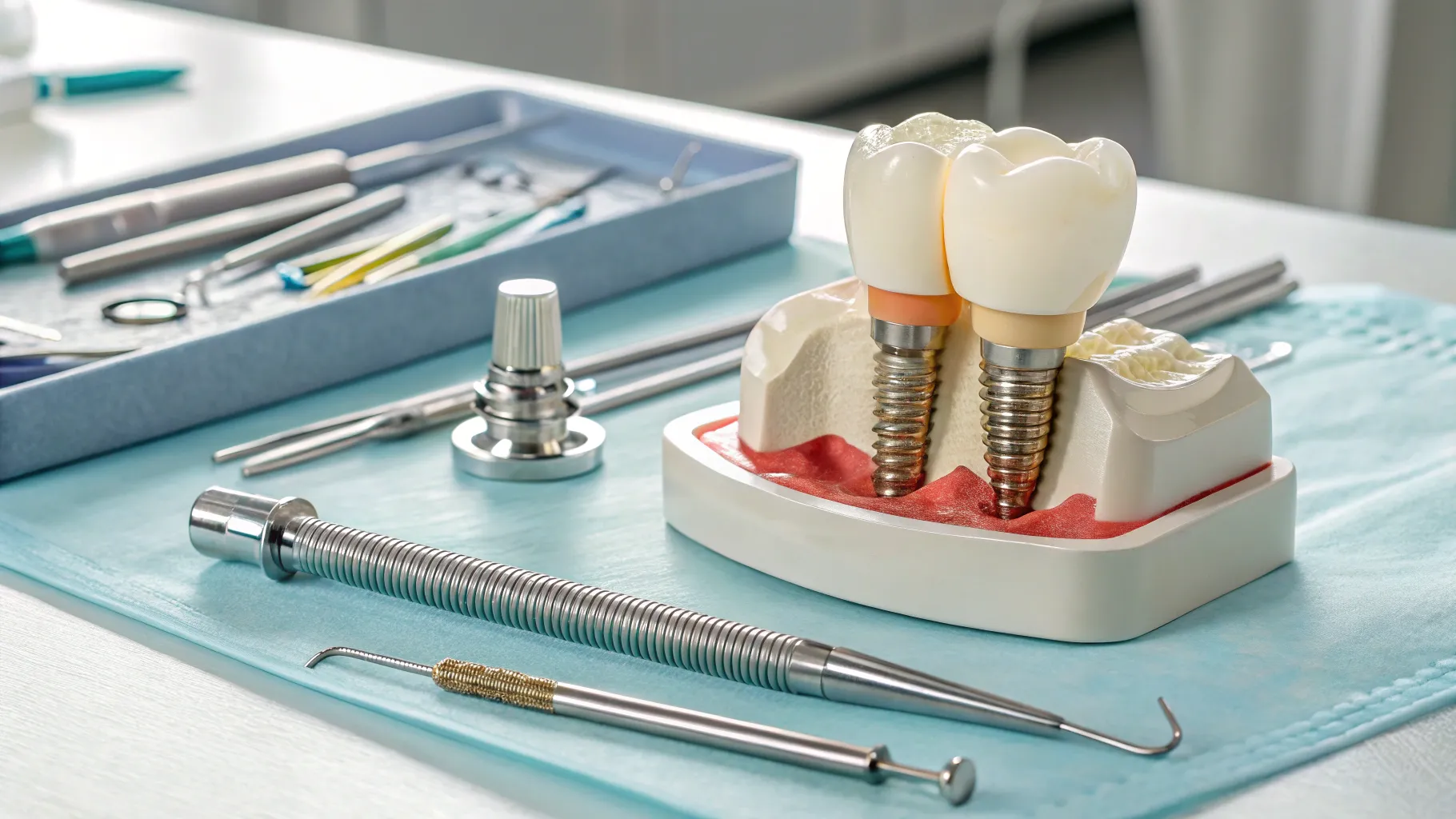
Why are dental implants considered the best substitute for missing teeth? They closely mimic the function and appearance of natural teeth. Unlike dentures or bridges, which can slide or require significant alteration to neighboring teeth, implants stand alone and can restore not just the aesthetics of your smile but also the functionality of chewing and speaking.
Determining Factors for Success of a Dental Implant
The success of a dental implant is influenced by several factors. First and foremost, your oral health status—particularly the quantity and quality of your jawbone—plays a crucial role. A strong and healthy jawbone is essential for securely anchoring the implant. If there's insufficient bone, procedures like bone grafting may be necessary to prepare for the implant surgery.
Another critical element is the overall health of the patient. Conditions such as diabetes or osteoporosis can impact healing and integration. Lifestyle choices, including smoking, may also hinder the success rate. Recent studies have shown that patients who smoke are at a 60% greater risk for implant failure compared to non-smokers. Additionally, following your dentist's pre- and post-operative care instructions is vital for ensuring a successful outcome.
Will My Body Reject the Implant?
Dental implants have a very high biocompatibility, meaning that the body is unlikely to reject them. Titanium is a material that's well-accepted by the human body, and severe rejection cases are rare. However, there can be complications, such as peri-implantitis, which involves inflammation of the tissue surrounding the implant due to infection. Proper oral hygiene and routine check-ups with your dentist are essential in mitigating these risks.
Is the Dental Implant Procedure Painful?
Many people have concerns about the pain associated with dental implant surgery. The good news is that modern techniques and anesthesia mean that patients typically experience minimal discomfort during the procedure. Local anesthesia is commonly used to numb the area, and sedation options are available for those who feel anxious. Post-operatively, some tenderness and swelling are common, comparable to those experienced after tooth extraction. Over-the-counter pain relievers can usually manage any discomfort effectively.
How Long Do Dental Implants Last?
One of the standout qualities of dental implants is their longevity. With proper care, including regular dental check-ups, good oral hygiene, and avoiding damaging habits (like clenching or grinding your teeth), implants can last anywhere from 10 to 30 years or longer. Recent advancements in dental technology are contributing to increased durability and success rates. In fact, studies indicate that more than 95% of dental implants remain successful after ten years, underscoring their efficacy as a long-term solution for tooth loss.
When Can I Return to Work After Getting an Implant?
It's common to wonder about recovery time after dental implant surgery. Generally speaking, most patients can return to work within one to three days after the procedure, although this can vary based on the complexity of the case and individual healing responses. For those with physically demanding jobs, it may be advisable to take a longer break to ensure you are not straining the surgical site. Dentists commonly advise taking a few days off to allow the initial healing phase to occur, especially if there are stitches involved.
Is it Possible for Everyone to Get a Dental Implant?
While dental implants can benefit most patients, certain conditions may limit candidacy. For instance, individuals with uncontrolled diabetes, severe gum disease, or those undergoing radiation therapy to the head and neck might require additional evaluation. However, advancements in dental technologies, such as grafting techniques and imaging, continue to expand the pool of candidates who can safely receive implants. As of late 2024, the focus on personalized treatment plans has made it possible for more people than ever to explore implant options.
The Cost of Dental Implants
Cost often plays a significant role in the decision to pursue dental implants. On average, a single dental implant procedure can range from $3,000 to $4,500, depending on various factors such as location, the dentist's experience, and any additional treatments required (like bone grafting). Although the initial investment may seem steep, considering their durability and the avoidance of future dental issues, many patients find dental implants to be a cost-effective long-term solution. Various payment plans, dental insurance options, and financing methods are oftentimes available. It's advisable to discuss these options with your dental office to explore the best financial solution for your situation.
As we navigate through 2025, understanding these key aspects of dental implants can empower you in making informed decisions about your oral health. Sharing valuable insights with others who may be contemplating their dental journey can also lead to a community of support and knowledge. Whether you're considering dental implants or just curious about the procedure, it’s always best to consult a trusted dentist who can provide tailored advice based on your unique circumstances.
Authored by FreshLifeWire team