Common PTSD Behaviors in Veterans and Civilians Explained
Understanding Common PTSD Behaviors in Veterans and Civilians
Post-Traumatic Stress Disorder (PTSD) is a condition that can develop after exposure to traumatic events, leading to a range of behaviors and psychological responses that can impact daily life. Although often associated with military veterans, PTSD affects civilians as well, particularly those who have experienced violence, accidents, or natural disasters. As of 2025, recent studies indicate that nearly 8 million adults in the United States experience PTSD in a given year, shedding light on the necessity of understanding the typical behaviors linked to this condition.
Common Behavioral Patterns in PTSD
- Avoidance: Individuals with PTSD often avoid reminders of the trauma, whether it be people, places, or certain activities. Veterans may distance themselves from family and friends, while civilians might avoid areas where traumatic events occurred.
- Hyperarousal: This includes heightened emotions such as irritability, anger, or anxiety. Veterans may be particularly prone to outbursts due to triggers that remind them of combat situations.
- Intrusive Thoughts: Recurring memories or flashbacks of the traumatic event can lead to severe distress. This symptom is often prevalent among both veterans returning from conflict and civilians facing traumatic experiences like accidents or assaults.
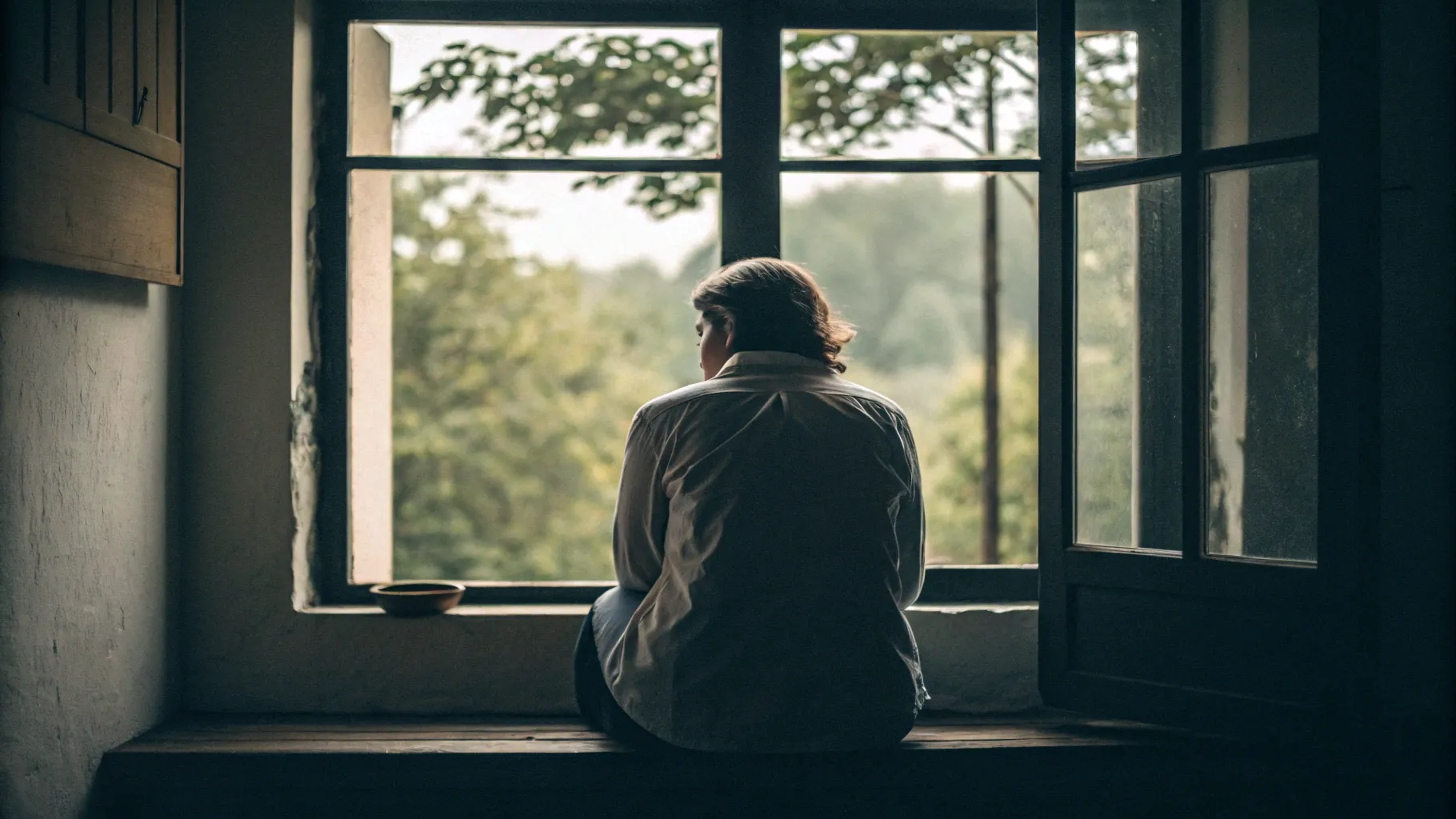
- Isolation: Many individuals suffering from PTSD tend to isolate themselves, leading to feelings of loneliness and depression. This behavior is particularly distressing as it affects relationships with loved ones.
In recent months, surveys have shown that about 20% of veterans report isolating behavior, indicating the critical need for social support systems. Research underscores the importance of effective communication skills in rebuilding these connections, which are vital for recovery.
How Trauma Impacts Relationships and Daily Life
The impact of trauma on relationships cannot be understated. Symptoms of PTSD can alter interactions on both emotional and social levels. For instance, individuals may experience difficulty trusting others, which can complicate friendships and romantic relationships. Partners of PTSD sufferers often report feeling helpless or confused about their loved one's emotional withdrawal.
Moreover, daily life is significantly affected. Individuals may struggle with maintaining employment due to concentration difficulties or absenteeism linked to anxiety and depression. A recent survey captured that 25% of those with PTSD reported job-related struggles, demonstrating the broader implications this disorder has on one’s ability to function.
For many veterans, the transition from military life to civilian life can be a complex process. A study conducted in early 2025 noted that veterans frequently encounter challenges in reintegrating, not only within their community but also within their families. As they deal with PTSD symptoms, the dynamics of family interactions can shift dramatically. Establishing healthy communication with spouses or children becomes crucial for sustaining these relationships.
Specific Behavior Patterns in Veterans and Civilians
While the core symptoms of PTSD remain consistent, the manifestations can vary between veterans and civilians. Veterans might display more aggressive behaviors, whereas civilians are more likely to exhibit avoidance strategies. For example, a study published in early 2025 found that veterans reported significantly higher levels of anger and irritability, with about 60% indicating unresolved anger issues related to their service. Civilians, on the other hand, were more inclined to avoid social situations, with an estimated 40% indicating withdrawal from friends and community events due to anxiety.
This divergence in symptoms underscores the importance of tailored therapeutic approaches. Group therapy, for instance, can be particularly effective for veterans, as it allows them to connect with peers who understand their experiences firsthand. Another effective strategy is Cognitive Behavioral Therapy (CBT), which has shown promise in enabling both veterans and civilians to manage and reframe their intrusive thoughts, ultimately aiding in their healing process.
Healing and Recovery: Steps Toward Recovery
Despite the pervasive effects of PTSD, healing and recovery are attainable. The process often involves a combination of therapy, medication, and self-care strategies. Engaging in consistent therapy sessions, especially with professionals trained in trauma-focused approaches, can help individuals process their experiences and develop coping mechanisms. Recent developments in the field of mental health have introduced innovative treatments such as Eye Movement Desensitization and Reprocessing (EMDR), which are specifically designed for trauma recovery.
- Support Systems: Building a strong support network is essential for recovery. Family members and friends play a critical role in providing emotional support. Programs that foster peer connections in community settings have shown effectiveness, particularly among veterans.
- Self-Care Practices: Daily self-care routines encompassing physical activity, mindfulness, and relaxation techniques can mitigate symptoms. Activities like yoga and meditation help ground individuals, making them feel more centered.
- Seeking Professional Help: Engaging with therapists who specialize in PTSD can significantly reduce symptoms over time. The latest data suggests that only one in three individuals with PTSD actively seek help, which highlights the need for increased awareness.
Moreover, community resources and organizations actively aim to provide educational materials and support groups. These initiatives foster an environment where individuals feel safe to discuss their feelings and experiences.
The road to recovery may be long, yet it is filled with hope. By acknowledging the challenges that arise from PTSD and seeking appropriate help, both veterans and civilians can reclaim their lives, paving the way for healing.
Authored by FreshLifeWire team