Common Problems After Hip Replacement Surgery Explained
Understanding the Common Problems After Hip Replacement Surgery
Hip replacement surgery is a transformative procedure for patients dealing with debilitating hip pain, allowing them to reclaim mobility and improve their overall quality of life. With over 450,000 hip replacements conducted each year in the United States alone, the demand for this surgery continues to grow. However, as any healthcare professional will tell you, awareness of potential challenges post-surgery is vital for a smooth recovery. In this article, we will explore the most common problems encountered after hip replacement surgery and provide strategies for managing these issues in 2025.
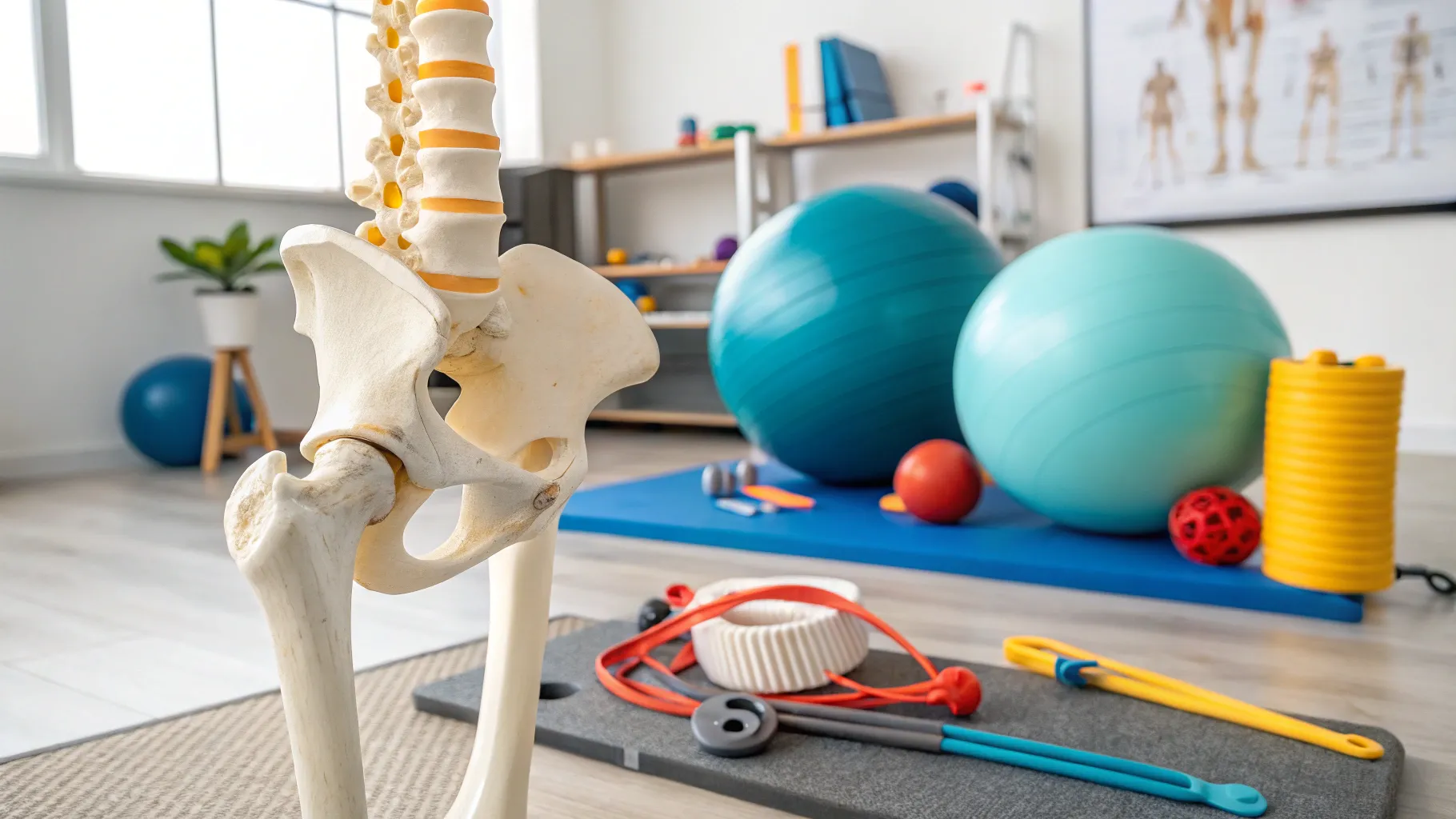
Importance of Physical Rehabilitation After Hip Surgery
Physical rehabilitation is a cornerstone of recovery following hip replacement. While the goal for many is to resume their daily activities as swiftly as possible, it is not uncommon to face challenges during the rehabilitation phase. Issues such as pain and stiffness, particularly in the weeks immediately after surgery, can hinder progress. Research published recently in the Journal of Orthopaedic Surgery and Research shows that patients engaged in structured physiotherapy programs experience quicker mobility recovery and report reduced pain.
- Pain Management: Navigating pain relief post-surgery can be complex. Many patients find that over-the-counter remedies do not suffice, and prescribed opioids vary in effectiveness. Effective pain management often involves a tailored approach, combining medication with physical therapy interventions.
- Muscle Weakness: Muscle weakness surrounding the hip joint is a common post-operative challenge, often requiring patients to depend on assistive devices like walkers or crutches at the beginning stages of recovery.
- Limited Range of Motion: Regaining a full range of motion is crucial but can require significant effort. Regular stretching and guided exercises are essential to help patients gradually improve flexibility and mobility.
- Swelling: Prolonged swelling in the operated leg might persist for weeks, leading to discomfort. Patients are encouraged to use ice packs and elevate the leg to help manage this symptom effectively.
Home Care Challenges After Hip Replacement Surgery
Once patients return home after hip surgery, they may encounter various daily tasks that feel daunting due to restrictions on movement and mobility. Addressing these home care challenges proactively can significantly influence the recovery experience.
- Bathroom Accessibility: Installing grab bars and using raised toilet seats can enhance safety and comfort, making navigating the bathroom easier during recovery.
- Home Modifications: It is beneficial to minimize clutter around the house to prevent falls and ensure that frequently used items are within easy reach, creating a safer living environment.
- Support System: Having family or friends assist during the recovery phase not only provides practical help with everyday tasks but also offers emotional support, which can be just as vital for healing.
Exercise Regimen After Hip Replacement Surgery
Physical activity is critical in the rehabilitation journey post-hip replacement, but knowing which exercises to do is equally important. After about three months post-surgery, most patients can start incorporating a more varied exercise routine that helps enhance strength and mobility.
- Walking: Simple, regular walking is effective for building endurance and strength. Patients are advised to increase their walking distances gradually, paying attention to their comfort levels.
- Strength Training: Strengthening exercises focused on the legs and core stability are central to supporting the hip joint. These exercises should be introduced carefully and under guidance to avoid strain.
- Flexibility Training: Stretching exercises targeting the hip flexors, hamstrings, and calves are essential for improving overall flexibility and should be included in the daily routine.
Consulting with a physiotherapist before starting new activities is crucial to prevent complications and ensure a focus on safe exercises tailored to individual needs.
Common Problems Faced After Hip Replacement Surgery
While hip replacement surgery is generally successful, patients may still encounter specific complications throughout their recovery. Recognizing these potential problems early can help in managing them effectively and enhancing recovery outcomes.
- Pain While Sleeping: Many patients report pain when trying to sleep after surgery, which may arise from either the surgical site or discomfort due to sleeping positions. Utilizing supportive pillows and specially designed orthopedic pillows can help ease sleeping discomfort.
- Risk of Infection: Although relatively rare, infections can occur post-surgery. Patients need to practice diligent wound care and be aware of early signs of infection, such as increased redness or discharge, to address issues timely.
- Blood Clots: There is an elevated risk of blood clots following surgery. Patients should adhere strictly to prescribed exercises and medical advice regarding anticoagulant medications to minimize this risk.
- Prosthesis Dislocation: Dislocations of the hip prosthesis can happen, especially within the first few months after surgery. Strict adherence to recommended movement restrictions is vital in preventing this issue.
Ultimately, understanding these common challenges equips patients to navigate their recovery journey more effectively. Proactive management of these issues can lead to improved outcomes and heightened satisfaction with the surgery.
Thanks to advanced surgical techniques and improved post-operative care, the life expectancy post-hip replacement has risen significantly. Recent data indicates that approximately 90% of patients with hip prostheses lead functional and active lives 15 to 20 years after surgery. Combining surgical intervention with proactive rehabilitation efforts ensures that the majority of patients can look forward to a fulfilling life with considerably reduced pain levels.
Authored by FreshLifeWire team