Common Myths About Dental Implants Debunked
Debunking the Myths Surrounding Dental Implants
Dental implants are transforming the world of restorative dentistry, offering hope to those facing the challenges posed by tooth loss. In recent years, as awareness of implants has increased, many myths have emerged. In 2025, it remains crucial to clear away these misconceptions to empower individuals in making educated decisions about their oral health.
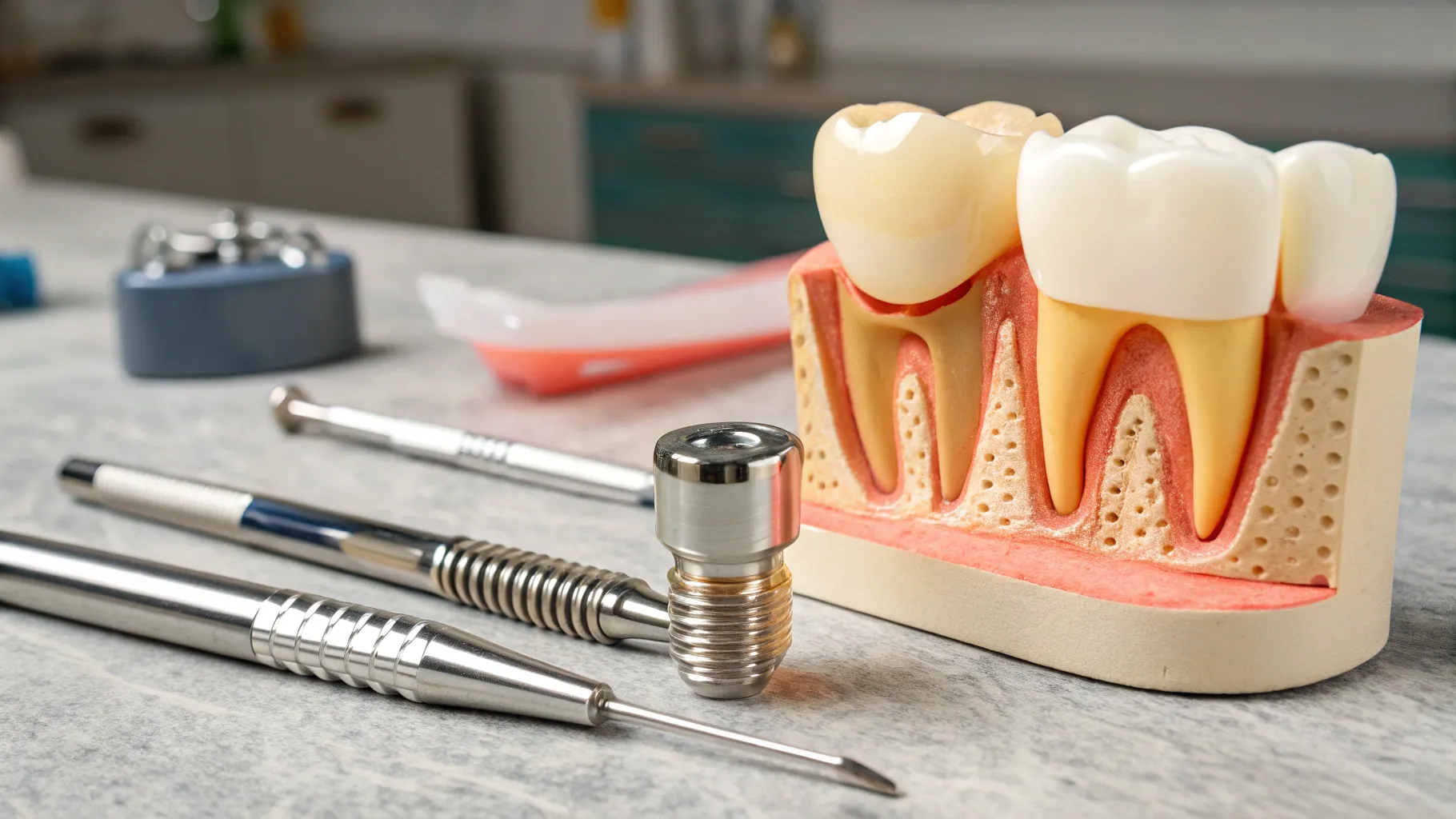
Understanding Dental Implant Misconceptions
Misunderstandings about dental implants can lead to unnecessary fear and apprehension. Below are the most common myths, alongside the facts that can help individuals embrace this innovative solution.
- 1. Dental Implants Are Only for Older Adults
It's a common belief that dental implants are intended solely for the elderly. However, dental health is not exclusively age-related. People of various ages can successfully receive implants. Studies conducted in the last year demonstrate that the success rates of dental implants in younger adults are similar to those in older populations, with overall health being the more significant determining factor. - 2. The Implant Procedure Is Extremely Painful
Many fear the discomfort associated with dental implant surgery, assuming it will be painfully intrusive. Interestingly, most patients report only mild pain post-procedure. Dentists typically use local anesthesia to numb the area and provide sedation options. In fact, many patients compare the feeling during the surgery to a tooth extraction, with manageable discomfort post-operation. - 3. Dental Implants Fail Easily
Another widespread misconception is that dental implants frequently fail. This perception is misleading. According to recent research from 2024, dental implants maintain a success rate of about 95% in healthy individuals. Proper aftercare, including regular dental check-ups and maintaining oral hygiene, is vital for ensuring long-lasting results. - 4. Smokers Cannot Get Dental Implants
Though smoking does complicate the healing process and may elevate the risk of implant failure, it does not automatically disqualify someone from undergoing the procedure. Modern dentistry has made provisions for smokers, advising them to quit before and after surgery to enhance the chances of success. - 5. Dental Implants Are Too Costly
The misconception that dental implants are prohibitively expensive can deter many individuals from considering them. While the initial investment may be higher than that of dentures, the durability and longevity of implants often make them a more cost-effective choice in the long run. Furthermore, more dental insurance plans have started covering implant procedures in 2025, making this solution more accessible. - 6. Mini Implants Are Just as Good as Standard Implants
While mini implants can be beneficial for securing dentures, they cannot always replace standard implants, which are designed for more extensive dental restorations. Data suggests that traditional implants provide superior strength and higher success rates in most cases, making them the ideal choice for full tooth replacement. - 7. You Don’t Need to Care for Implants
Some believe that because implants are not susceptible to decay, they require no care. In reality, maintaining good oral hygiene is crucial for the health of the surrounding gums and bone around the implant. Brushing, flossing, and continuing regular dental check-ups are essential practices for keeping implants in excellent condition. - 8. Healing After Dental Implants Takes Forever
The recovery period associated with dental implants is often misunderstood. Although the complete healing process can take several months as the implant fuses with the bone – a process known as osseointegration – many patients can receive temporary restorations within weeks, allowing them to maintain a functional smile. - 9. Everyone Is a Good Candidate for Dental Implants
While technological advancements have expanded the number of candidates for dental implants, not everyone is suitable for the procedure right away. Factors such as bone density and overall oral health can influence eligibility. However, innovative solutions like bone grafts have broadened the possibilities, enabling more individuals to receive implants than ever before.
Discovering the Dental Implant Procedure
The process of receiving dental implants may seem daunting, yet it follows a straightforward flow:
- Initial Consultation: This stage involves a thorough evaluation of your dental health, including X-rays to determine bone structure and density, ensuring suitability for implants.
- Implant Placement: During this surgical procedure, a dental implant is strategically embedded in the jawbone, creating a stable foundation.
- Osseointegration: The crucial healing phase occurs as the jawbone gradually fuses with the implant, providing strong support. This typically takes 3 to 6 months.
- Abutment Placement: Once healed, a small connector called an abutment is placed on top of the implant to hold the crown.
- Crown Placement: Finally, a custom-made crown completes the restoration, enhancing both function and aesthetics.
This process emphasizes not only the precision involved in dental implantation but also the essential role of dental professionals at each step. Clarifying these myths allows more people to see the multitude of benefits associated with dental implants – from enhanced oral health to renewed confidence and lifespan.
As the dental industry continues to innovate, dental implants remain a safe and viable option for restoring smiles and improving quality of life. It's vital to approach this subject with accurate information; misconceptions should not hold anyone back from exploring the life-changing potential of dental implants. If you're curious about the procedure or have specific questions, don't hesitate to consult your local dental professional for expert guidance.
Authored by FreshLifeWire team