Common Heart Attack Warning Signs and Symptoms to Know
Understanding Heart Attack Warning Signs
Every year, around 805,000 people in the United States experience a heart attack, a startling statistic from the American Heart Association. These events highlight a major health issue that requires urgent attention. Despite the presence of serious complications or potential fatalities, many individuals remain unaware of the warning signs. This article aims to enhance your understanding of heart attack symptoms, particularly how they can differ between genders, and the imperative need for quick action when these signs manifest.
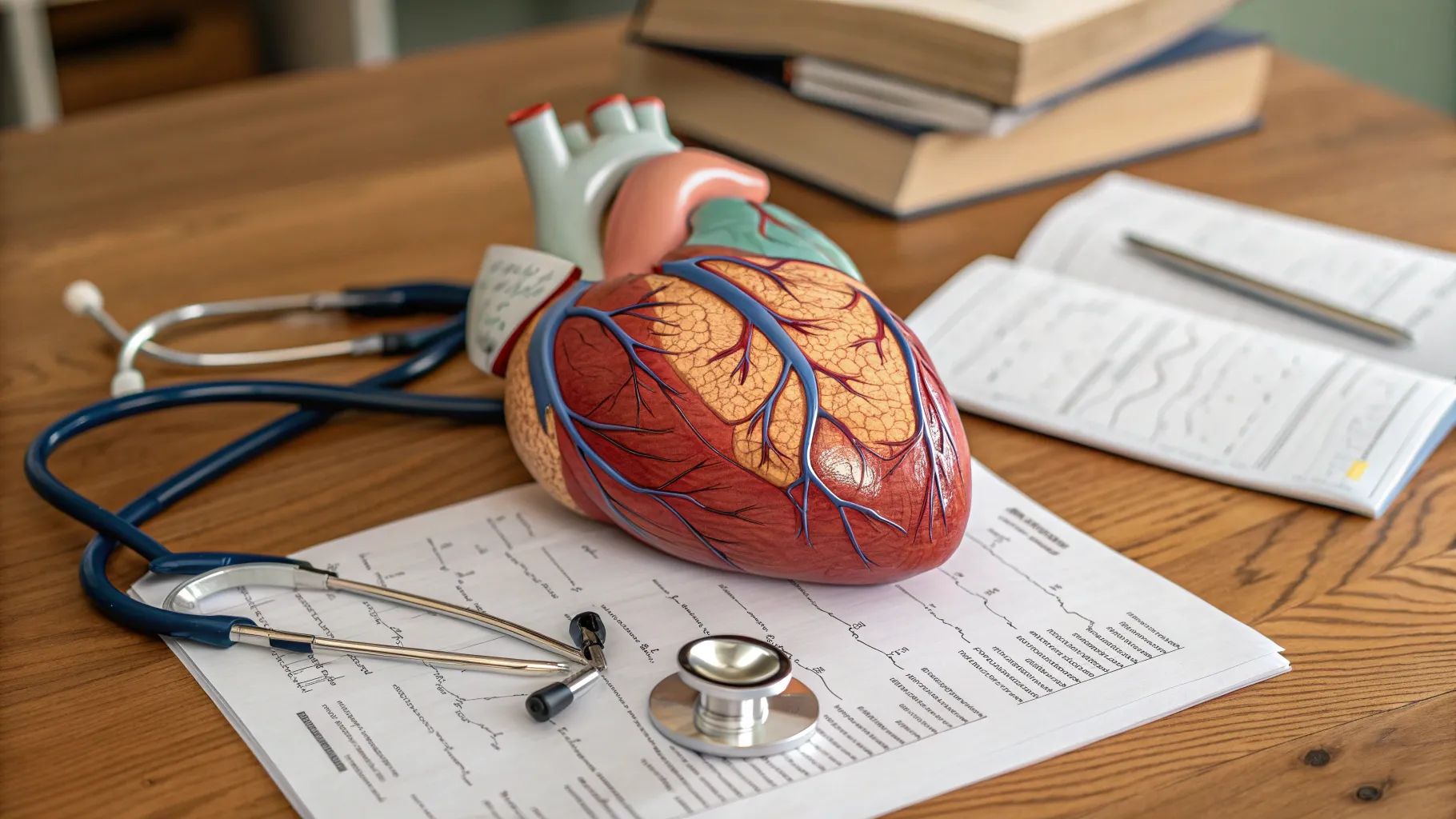
Signs of a Heart Attack: What to Look For
When discussing heart attack signs, many people immediately think of chest pain. While this symptom is pivotal, it doesn’t tell the whole story. Heart attacks can present in various forms, often leading to confusion and misinterpretation of the signals. The feeling of pressure, tightness, or even discomfort can vary widely from person to person.
Understanding the full spectrum of symptoms is essential for prompt recognition and treatment. Here are some key warning signs to watch closely:
- Shortness of Breath: This can occur with or without chest discomfort. If someone finds it hard to breathe easily during rest or regular activities, it's critical to seek medical help right away.
- Pain or Discomfort in Other Areas: Often, pain may radiate to the arms (most commonly the left), back, neck, jaw, or stomach. These atypical pain presentations can be indicative of a heart attack.
- Jaw and Neck Pain: Surprisingly, unexplained discomfort in the jaw or neck is particularly relevant for women, as many report these symptoms before an attack.
- Cold Sweats: Sudden sweating without a plausible explanation, like heat, can be a telltale sign of an imminent heart attack.
- Nausea or Vomiting: Feelings of nausea, especially among women, can precede heart attacks. Some women may even experience vomiting, which can confuse the situation further.
The importance of recognizing these warning signs cannot be overstated. A recent study noted that nearly 66% of women exhibit atypical heart attack symptoms, underscoring the need for increased awareness that spans beyond the typical indicators like chest pain.
Unique Signs of Heart Attacks in Women
It is crucial to understand that women often experience heart attack symptoms differently than men do. Traditional portrayals suggest that men are more prone to exhibit intense chest pain. However, women may show less classic signs, making it essential for them to remain vigilant. For example, over 53% of women in a recent survey indicated extreme fatigue as a common sign preceding their heart attacks. This revelation emphasizes the need for increased attention to subtle signs.
Other symptoms such as anxiety or odd sleep disturbances are also tied to heart attack risks among women. As these symptoms might be mistaken for stress or regular life challenges, it’s vital for women to trust their instincts and seek medical consultation, even if they believe their signs are mild.
Acting Quickly Can Save Lives
Awareness is just the first step; taking swift action is equally important. The National Institutes of Health has consistently pointed out that early intervention can significantly mitigate heart damage. If you or a bystander experience chest pain accompanied by any of the aforementioned symptoms, it is imperative to call for emergency medical assistance immediately.
In fact, data highlights that acting within the first hour of symptom onset can dramatically improve recovery outcomes. The quicker the response, the better the chances of survival and reducing long-term complications.
Statistics and Their Real-World Implications
Recent studies show alarming figures, indicating that nearly one in five heart attack survivors were unaware they were having a heart attack at the time. This illustrates an urgent need for improved education about heart issues across all demographics. Currently, heart disease remains the leading cause of death for both men and women, resulting in countless outcomes annually that could be avoided with better awareness.
As we navigate through 2025, individuals must prioritize their heart health. Small lifestyle adjustments can yield significant benefits. Eating a well-balanced diet, maintaining an active lifestyle, and refraining from smoking are just a few steps toward better cardiovascular health.
Empower Yourself with Knowledge
Being knowledgeable about potential heart attack signs is a game-changer for survival rates. Engaging in discussions with family and friends about heart health can illuminate symptoms that may otherwise go unnoticed. Healthcare professionals recommend routine check-ups for anyone with risk factors such as a family history of heart disease, obesity, or high cholesterol.
Public health initiatives have become increasingly prevalent in promoting heart health awareness. Community health fairs are great resources, offering free screenings and educational workshops designed to encourage proactive health management. Through these efforts, awareness continues to be elevated, helping individuals recognize the importance of understanding their bodies better.
In our fast-paced environment, we sometimes overlook our health signals. Be alert to any unusual tightness in the chest, persistent fatigue, or any unexplained symptoms. These cues warrant attention and should never be brushed aside. Remember, acting decisively and promptly in the face of alarming symptoms can mean the difference between life and death.
Taking charge of your heart health is essential. Whether it’s learning more about risks or being vigilant about changes in your body, every effort counts. Your heart's well-being should always be a priority.
Authored by FreshLifeWire team