Common Fall Allergies Explained Causes and Symptoms
Understanding the Most Common Fall Allergies
As autumn sets in, many individuals encounter a flare-up of allergy-related issues. The environmental transformations accompanying this season can trigger a variety of allergic reactions, making it essential to understand the most prevalent fall allergies. In this comprehensive guide, we will explore the primary causes, common triggers, and recognizable symptoms associated with fall allergies. Our aim is to help you navigate through the season with greater ease and comfort.
What Are the Common Fall Allergies?
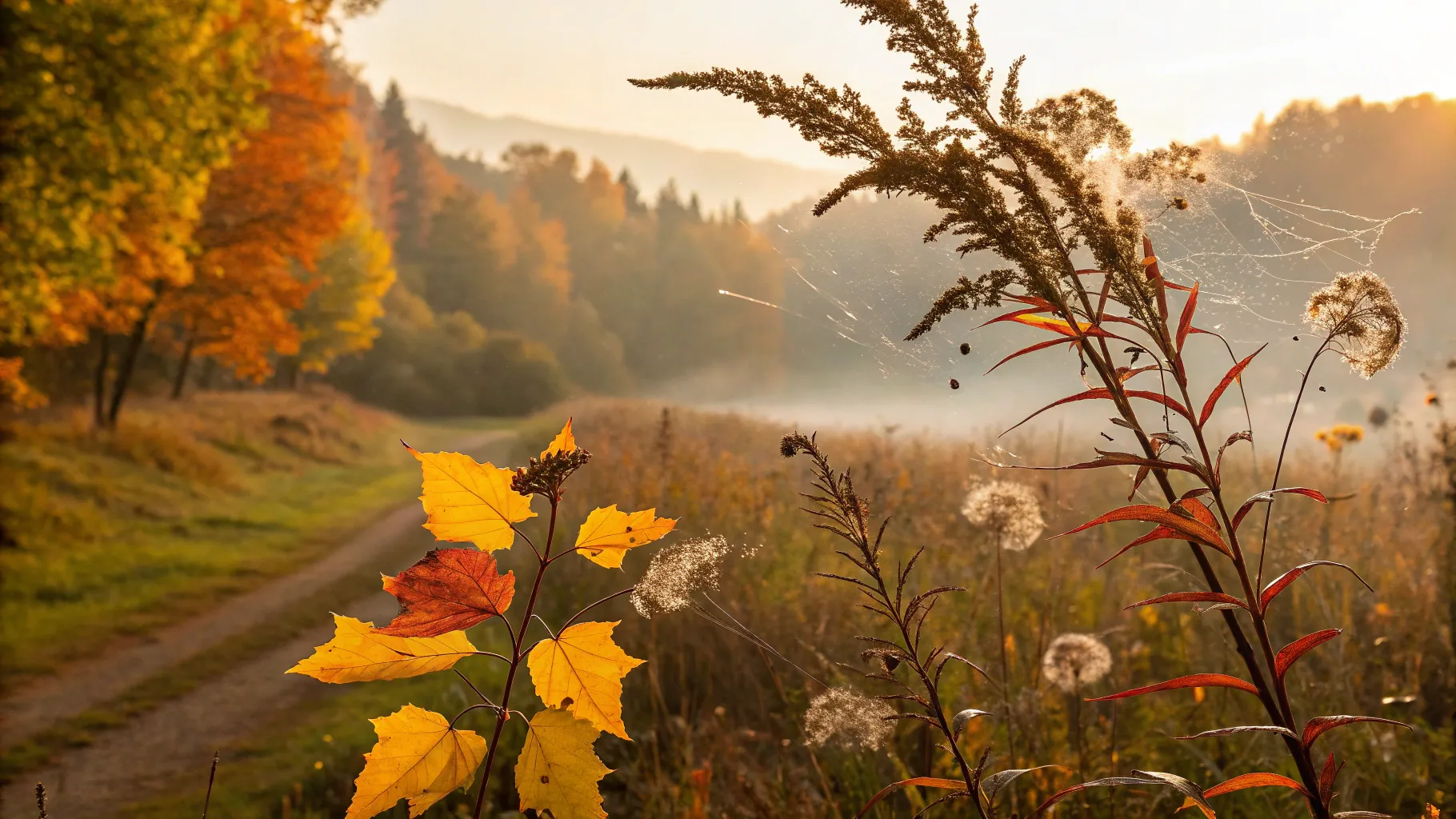
Fall is notorious not only for its crisp air and vibrant foliage but also for a specific group of allergens that affect millions of people across the United States. Recent studies indicate that approximately 30% of adults are currently affected by seasonal allergies during this time. Recognizing these common fall allergies empowers individuals to take proactive measures, ultimately enhancing their quality of life.
Types of Allergies You Might Encounter
- Pollen Allergies: One of the leading offenders during fall allergies is pollen from weeds, most notably ragweed. This type of pollen can travel vast distances—sometimes even hundreds of miles—making it difficult for those even far away from the source to avoid its effects. In recent assessments, it has been revealed that ragweed pollen counts have intensified, primarily attributed to rising global temperatures.
- Mold Allergies: With autumn comes falling leaves, and as these leaves decompose, they foster an ideal environment for mold spores to thrive. These spores become airborne, circulating more freely during this season, making it a prime time for those sensitive to mold to experience severe reactions.
- Dust Mites: As people retreat indoors to escape the cooler weather, exposure to dust mites can pose problems. These minuscule creatures thrive in warm and humid conditions typically found in couches, bedding, and carpets. Astonishingly, a typical household may house millions of dust mites, often unnoticed by the residents.
- Pet Dander: With increased indoor activity, exposure to pet dander may also spike. For allergy sufferers, this change can lead to intensified reactions, especially as pets tend to shed more fur during this transitional season.
Allergy Triggers in Autumn
Understanding what specifically triggers your allergies can be key to managing symptoms effectively. Here are some common environmental triggers:
- Weather Changes: The onset of cooler temperatures tends to encourage mold production while also stirring up ragweed pollen levels, inevitably heightening allergy symptoms.
- Indoor Allergens: As windows and doors are sealed for heat efficiency, indoor allergens become concentrated, exacerbating environments that may provoke allergy sufferers.
- Air Quality: Deteriorating air quality, often marked by elevated pollution levels, can aggravate allergic reactions, placing additional stress on those who are already sensitive to pollen or mold spores.
Recognizing the Symptoms
Identifying the symptoms associated with fall allergies is crucial for early intervention and management. Common symptoms that you might experience include:
- Runny or congested nose
- Sneezing fits
- Itchy or watery eyes
- Coughing or throat irritation
- Persistent fatigue
It’s vital to distinguish between allergies and viral infections, as they can share similar symptoms. Allergies typically arise when exposed to particular allergens, while cold symptoms often include fever and muscle aches—indicators less common among those with allergies.
Understanding the Causes of Fall Allergies
Identifying the root causes of your allergies can greatly assist in managing them. As of 2025, the primary offenders during fall continue to be ragweed pollen, mold spores, and dust mites. Recent trends show that ragweed pollen counts are on the rise, a phenomenon largely driven by climate change, meaning individuals can experience allergies for a longer duration than before. Additionally, dust mites thrive in indoor settings, leading to heightened allergic reactions in many households. Studies find that homes can be battlegrounds for these pests, causing considerable discomfort for those affected.
Tips for Managing Fall Allergies
Adopting preventive measures is essential to lessen the discomfort associated with fall allergies. Here are some effective strategies you can implement into your daily routine:
- Stay Indoors: Minimize outdoor activities, particularly when pollen counts are at their peak. Ragweed pollen often peaks in the late morning and early evening, so planning errands or activities around these times can help.
- Maintain Cleanliness: Regular cleaning can significantly reduce the accumulation of allergens in your home. Utilizing vacuum cleaners fitted with HEPA filters and washing bedding in hot water weekly is recommended to combat dust mites effectively.
- Improve Indoor Air Quality: Consider investing in air purifiers to minimize the circulation of indoor allergens. Additionally, maintaining proper humidity levels (ideally below 50%) can hinder mold growth.
- Seek Professional Advice: If your symptoms persist despite home remedies, seeking guidance from an allergist can be beneficial. They may propose allergy testing or recommend appropriate treatments such as antihistamines or nasal sprays that can provide substantial relief.
Being mindful of your surroundings can ease the seasonal transition into fall. Monitoring daily pollen counts and adjusting your outdoor plans accordingly allows individuals to circumvent periods of high exposure while still enjoying beloved autumn festivities. From spirited visits to local pumpkin patches to cozy evenings gathered around a fire, awareness is fundamental for a comfortable fall.
In essence, while you revel in the beauty of autumn, being armed with knowledge about fall allergies can be profoundly liberating. Recognizing their causes, triggers, and management strategies can lessen the burden of allergic symptoms, enabling you to fully embrace the splendid delights of the season.
Authored by FreshLifeWire team