10 Common Causes of Shortness of Breath Explained
Understanding Shortness of Breath Causes
Shortness of breath, medically known as dyspnea, can be a distressing experience for those who encounter it. Many people often ask themselves questions like "why am I short of breath?" or "what are the common causes of breathlessness?" In 2025, health experts continue to emphasize the importance of understanding the various factors that can lead to this symptom. This article delves into 10 causes of shortness of breath, providing insight into their underlying mechanisms and potential solutions.
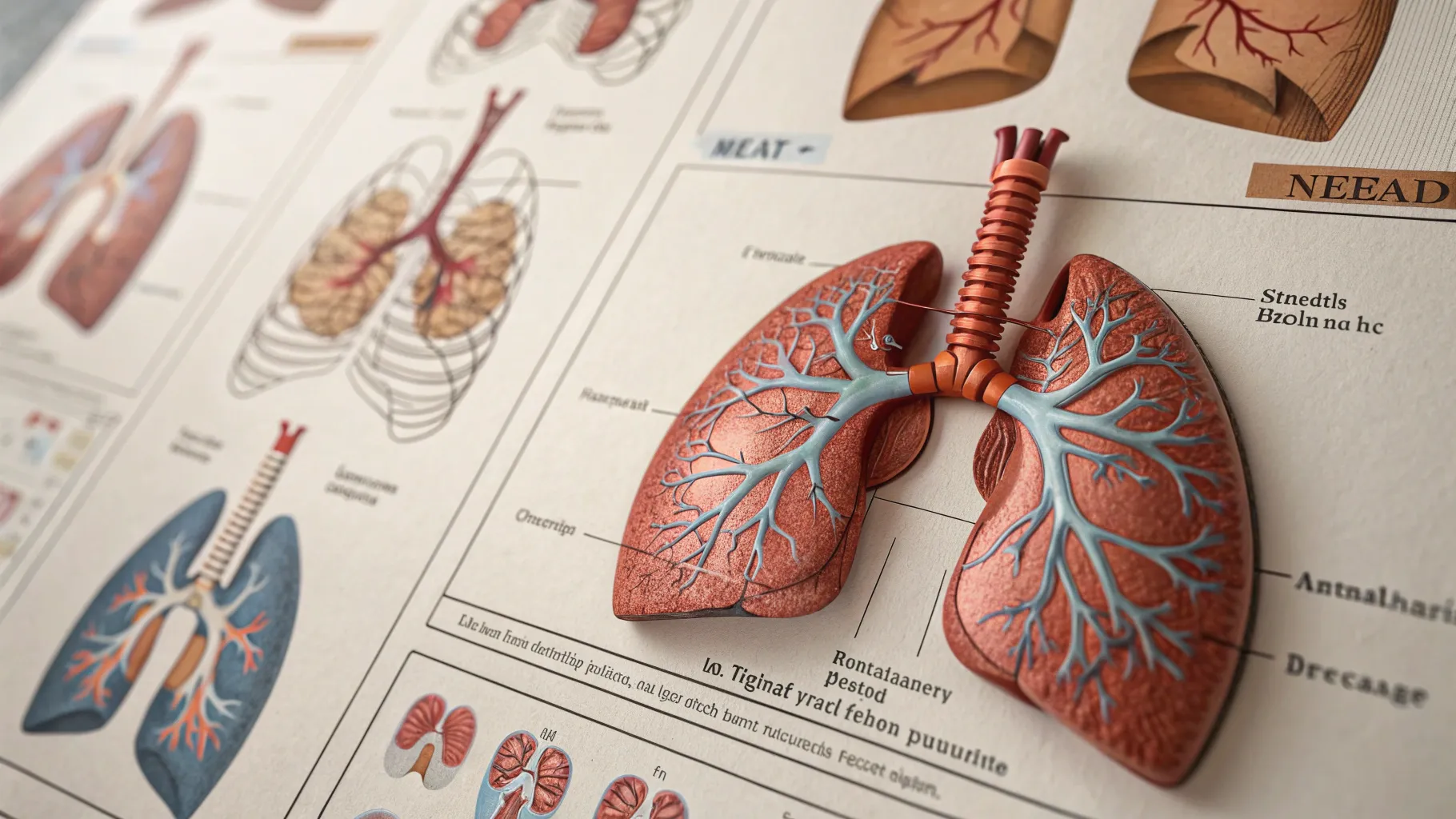
1. Asthma and Allergies
Asthma is one of the most prevalent respiratory conditions that result in shortness of breath. As an inflammatory disease affecting the airways, it can cause wheezing, coughing, and difficulty breathing, especially during nighttime or exercise. Data from the last six months indicates that the prevalence of asthma-related symptoms has not significantly decreased, affecting approximately 25 million adults in the United States. Notably, allergens such as pollen, dust mites, and pet dander can exacerbate these symptoms, leaving sufferers wondering about their difficulty breathing causes.
2. Heart-Related Conditions
Another common cause of shortness of breath is related to the heart. Conditions such as congestive heart failure or coronary artery disease can limit the heart's ability to pump blood efficiently, leading to a backup of fluid in the lungs. This can trigger episodes of shortness of breath at rest or during exertion. In recent studies, approximately 6.2 million adults in the U.S. suffer from heart failure, highlighting the importance of seeking medical evaluation when experiencing persistent breathlessness. If heart conditions are suspected, a healthcare professional may perform a range of diagnostic tests to determine the precise cause.
3. Chronic Obstructive Pulmonary Disease (COPD)
COPD encompasses a group of progressive lung diseases, including emphysema and chronic bronchitis. This condition leads to long-term breathing difficulties and is primarily caused by smoking, environmental pollutants, or genetic factors. According to a recent report, about 16 million adults in the United States are currently diagnosed with COPD. Symptoms may worsen during physical activity, leading to a heightened sensation of breathlessness. Effective management typically involves lifestyle changes, medications, and sometimes oxygen therapy.
4. Lung Diseases
Various lung diseases, such as pneumonia, bronchitis, and interstitial lung disease, can also cause shortness of breath. Pneumonia, an acute infection of the air sacs in the lungs, has seen a resurgence in hospitalizations, with experts reporting a notable increase in cases due to the COVID-19 pandemic and its aftermath. These conditions can lead to sudden shortness of breath or exacerbated symptoms in already compromised patients. If a lung infection is suspected, prompt medical intervention is crucial for recovery.
5. Anxiety and Panic Disorders
Surprisingly, psychological factors play a significant role in experiences of breathlessness. Anxiety and panic disorders can lead to a sensation of shortness of breath, often accompanied by chest tightness and an overwhelming feeling of dread. In the last six months, reports indicate a surge in mental health issues, particularly related to increased societal stressors. Practicing relaxation techniques, cognitive behavioral therapy, and, in some cases, medication can alleviate these symptoms.
6. Obesity
Obesity is linked to several health issues, including the exacerbation of shortness of breath. Excess weight can hinder lung function and make performing everyday activities more strenuous. Recent statistics suggest that over 42% of U.S. adults are classified as obese, which correlates strongly with increased reports of difficulty breathing. Weight loss and lifestyle changes can significantly improve lung capacity and overall health.
7. Anemia
Anemia, characterized by a deficiency of red blood cells, can also manifest as shortness of breath. When blood lacks sufficient hemoglobin, the body struggles to transport oxygen effectively, especially during exertion. According to the CDC, around 3 million people in the U.S. suffer from anemia, often presenting symptoms like fatigue and weakness alongside breathlessness. Treatment typically includes dietary changes, supplements, or addressing underlying causes, such as chronic bleeding or iron deficiencies.
8. Environmental Factors
The environment can hugely impact respiratory health. Pollutants, chemicals, and irritants found in indoor air can trigger or exacerbate shortness of breath. For instance, exposure to secondhand smoke or indoor mold spores has been linked to increased respiratory conditions. Furthermore, as climate change leads to poorer air quality, the frequency of reports about breathing problems related to environmental factors has risen, emphasizing the need for cleaner living environments and public health initiatives.
9. Exercise-Induced Bronchoconstriction
For many individuals, particularly those with a history of asthma, physical activity can trigger shortness of breath during exercise. This condition is known as exercise-induced bronchoconstriction (EIB) and results in temporary airway narrowing that can occur during or after intense exercise. Recent findings indicate that EIB affects approximately 10% of the population, and management strategies involve proper medication and pre-exercise warming techniques.
10. Respiratory Infections
Lastly, respiratory infections such as the common cold or flu can lead to temporary breathlessness as the body fights off pathogens. As we have witnessed in the past few years, viral infections have become a considerable concern. The latest data shows an uptick in reports of shortness of breath due to respiratory infections, prompting public health awareness campaigns about vaccination and prevention measures. It remains essential to recognize these symptoms and consult a physician if they persist.
Authored by FreshLifeWire team