Common Causes of Hip Pain and Effective Treatment Solutions
Common Causes of Hip Pain
Hip pain affects millions of people around the world, making everyday activities challenging. Whether you're a seasoned athlete or someone who enjoys leisurely walks, understanding the common causes of hip pain can lead you to effective solutions for relief. Below are some prevalent conditions that contribute to discomfort in this pivotal joint.
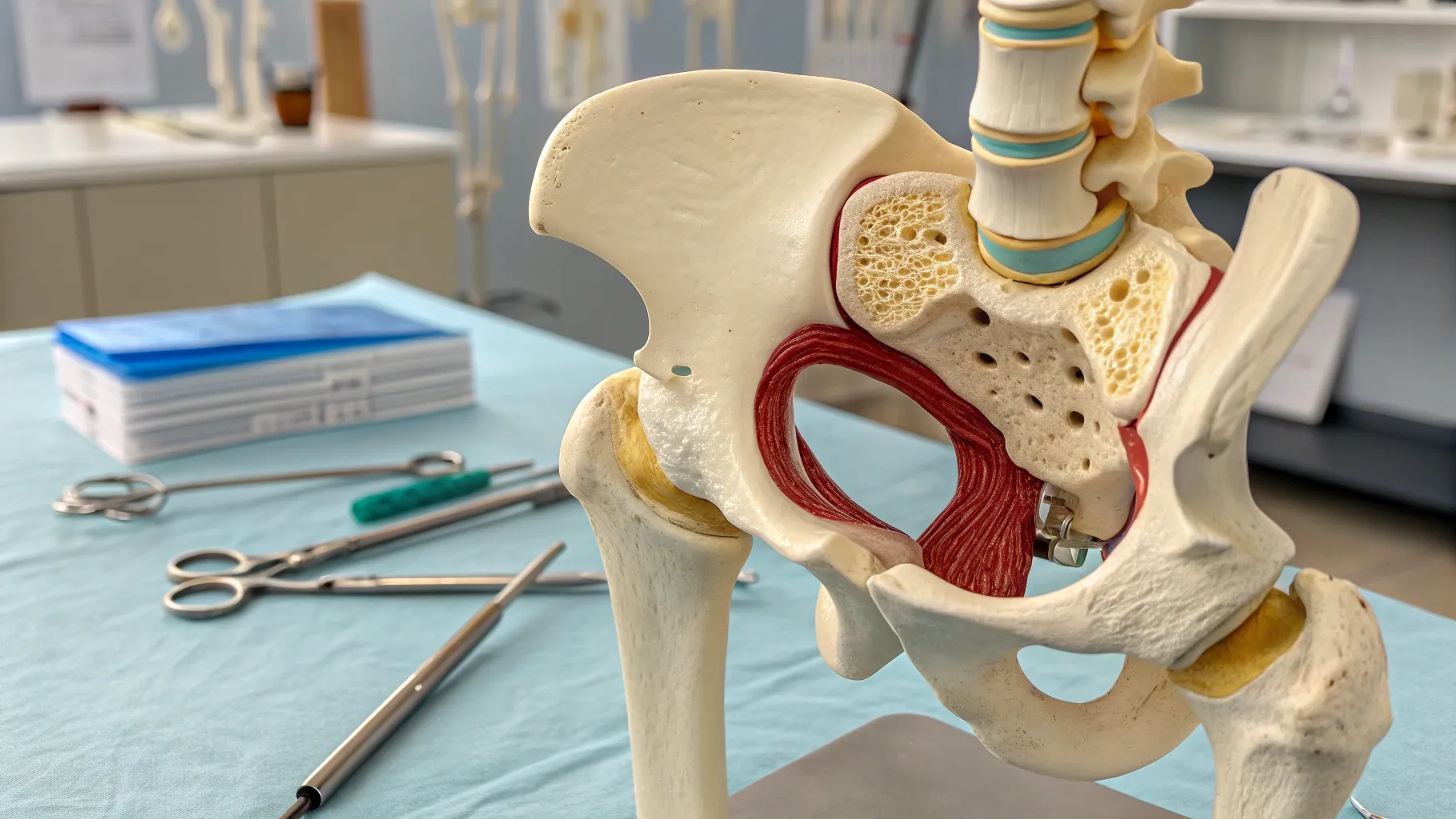
Bursitis
Bursitis is an inflammation of the bursa, a small fluid-filled sac that cushions bones and soft tissues. In the hip, this condition often results from repetitive movements or pressure. For example, athletes who play sports that involve a lot of side-to-side motion may find themselves suffering from hip bursitis. Symptoms typically include sharp pain on the outer part of the hip, which can worsen when lying on the affected side. Treatment often involves rest, anti-inflammatory medications, and physical therapy.
Osteoarthritis
Osteoarthritis is one of the most common types of arthritis and frequently affects the hip. In 2023, an estimated 32 million adults in the U.S. live with osteoarthritis. This degenerative joint disease occurs as the cartilage that cushions the hip joint gradually wears away, leading to pain and stiffness. Individuals with osteoarthritis might experience increased discomfort after prolonged periods of inactivity, like sitting or sleeping. Weight management, physical therapy, and in severe cases, hip replacement surgery, are common treatment options.
Hip Fractures
Hip fractures are particularly common among older adults, often resulting from falls or accidents. These injuries can be severe, leading to intense pain, inability to bear weight on the affected leg, and a noticeable shortening of the leg. Statistics show that approximately 350,000 hip fractures occur in the U.S. annually, highlighting the importance of fall prevention strategies. Surgical intervention is often required, followed by rehabilitation to regain mobility.
Labral Tears
The hip labrum is a ring of cartilage that surrounds the hip socket. Tears in this tissue can be caused by sports injuries or degenerative conditions. Individuals with labral tears may experience catching or locking sensations in the hip joint along with pain on movement. Treatment often includes physical therapy, and if symptoms persist, arthroscopic surgery may be required to repair the tear.
Tendinopathy
Tendons attach muscles to bones and too much strain can lead to tendinopathy, especially in the hip where the iliopsoas or gluteal tendons are frequently affected. This condition is often seen in athletes who engage in repetitive hip movements, such as runners or cyclists. Tendinopathy is characterized by localized pain, tenderness, and sometimes swelling. Rest, ice, and gradual strengthening exercises are recommended for effective treatment.
Osteonecrosis
Osteonecrosis occurs when blood flow to the hip bone is disrupted, leading to bone tissue death. Common causes include excessive alcohol consumption and prolonged use of corticosteroid medications. Around 10,000 new cases are diagnosed each year in the U.S. Symptoms can include hip pain that worsens over time and difficulty with upright movement. Treatment can vary from lifestyle changes to surgery depending on the severity of the condition.
Femoroacetabular Impingement
Femoroacetabular impingement (FAI) occurs when there is abnormal contact between the hip bone and its socket. This condition leads to hip pain, particularly during activities that require hip flexion, such as squatting. In some cases, it may lead to cartilage damage and can be treated with physical therapy, corticosteroid injections, or surgery in more severe cases.
Sprains and Strains
Sprains result from ligaments being stretched or torn, while strains involve muscles or tendons. Both can occur in the hip region due to sudden movements, falls, or overuse. Athletes are particularly vulnerable, but these injuries can happen to anyone. A sprained hip may cause immediate pain, swelling, and bruising, while strains might result in muscle spasms and weakness. Rest, ice, compression, and elevation, along with physical therapy, are usually effective treatment strategies.
Hip Pain Causes and Treatment
As we explore the various causes of hip pain, it's crucial to consider available treatment options. Identifying the underlying issue is vital for effective pain relief. Here’s a closer look at current approaches:
- Physical Therapy: A tailored program can strengthen muscles around the hip, improve flexibility, and enhance functionality.
- Medications: Nonsteroidal anti-inflammatory drugs (NSAIDs) are commonly used to relieve pain and reduce inflammation.
- Injections: Corticosteroid injections can provide quick relief for conditions like bursitis or arthritis.
- Surgery: In cases where conservative treatments fail, procedures like hip arthroscopy or total hip replacement may be necessary.
Hip Replacement Surgery Costs and Recovery
If conservative treatments do not yield results, hip replacement surgery becomes an option worth considering. In 2023, the average cost of hip replacement surgery in the USA can range from $30,000 to $50,000 without insurance. However, costs may vary in countries like Canada, Great Britain, and Australia, where prices can range from $20,000 to $45,000.
For those opting for private procedures with top surgeons, facilities like the Mayo Clinic in the USA, Toronto General Hospital in Canada, and the Royal National Orthopaedic Hospital in the UK are internationally recognized for their excellence. Recovery after a hip replacement can take around six months to a year for full rehabilitation, where physical therapy plays a crucial role in regaining mobility.
Each of these causes of hip pain may necessitate a different approach to treatment, emphasizing the importance of personalized care. By recognizing symptoms and seeking appropriate medical advice, individuals can find effective solutions for hip pain relief and improve their quality of life.
Authored by FreshLifeWire team