Comfortable Homes for Seniors Features and Benefits
Comfortable Homes for Seniors: Creating Safe and Welcoming Spaces
As our loved ones age, ensuring their well-being becomes a top priority. In 2025, the need for comfortable homes for seniors is more important than ever. Aging individuals often seek environments that are not just about aesthetics but also feature elements that cater to their unique needs. So, what makes a home truly comfortable for seniors? Let’s dive into the essential features of senior-friendly homes, explore affordable housing options, and discuss how to create spaces that promote a joyful, independent lifestyle.
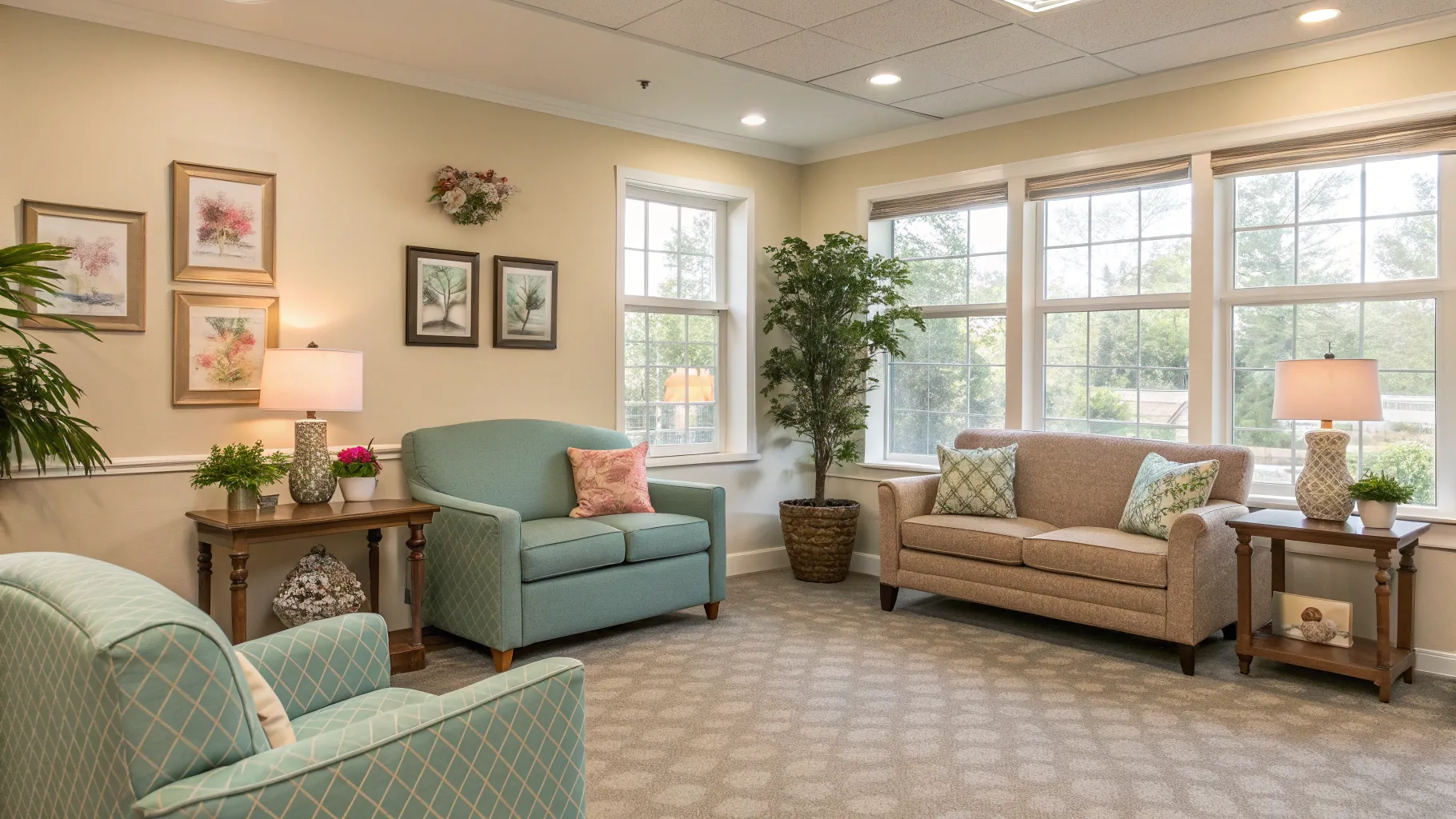
Features of Senior-Friendly Homes
Comfortable homes for seniors incorporate a variety of design elements and safety features. Here are some key attributes:
- Simplified Layout: A single-level home minimizes the risk of falls associated with stairs. If stairs are necessary, secure handrails and stairlifts are invaluable additions.
- Wider Doorways and Hallways: Ensuring that doorways and pathways are wide enough to accommodate walkers and wheelchairs enhances mobility and ease of movement.
- Non-Slip Flooring: Consider durable, non-slip surfaces in bathrooms and kitchens to prevent accidents.
- Accessible Bathrooms: Installing grab bars, shower chairs, and raised toilet seats fosters independence in personal care.
- Ample Natural Light: Bright and airy spaces can help improve mood and reduce the risk of depression, which is common in older adults.
- Smart Home Technology: Features such as voice-activated systems for lights, thermostats, and emergency alerts make daily life easier and safer.
- Emergency Preparedness: Homes should be equipped with smoke detectors and carbon monoxide detectors that are easy to access and maintain.
Incorporating these features not only enhances comfort but also supports a sense of security for seniors.
Affordable Comfortable Housing Options for Seniors
Finding affordable and comfortable housing options can be challenging, but it’s possible with a little research. Many communities now offer a range of housing solutions tailored for seniors:
- Independent Living Communities: These are perfect for seniors who are capable of living independently but prefer to live amongst peers. Residents often enjoy amenities like dining facilities, fitness classes, and social activities.
- Assisted Living Facilities: If additional support is needed, these facilities provide daily assistance while allowing seniors to maintain a level of independence.
- Co-Housing Projects: A growing trend, co-housing involves groups of seniors living in private homes within a shared community. This design fosters companionship while ensuring personal space, typically at lower costs than traditional facilities.
- Government Assistance Programs: Various programs offer financial aid for housing, such as the U.S. Department of Housing and Urban Development (HUD) which provides funding for senior housing projects.
By exploring these options, families can secure homes that are not only affordable but also designed for comfort and convenience.
Interior Design Tips for Senior Comfort
Creating a home that truly feels comfortable for seniors can be greatly enhanced through thoughtful interior design. Here are some practical tips:
- Furnishing Choices: Choose furniture that is easy to get in and out of, providing support. Look for chairs with arms and firm cushions, as well as beds with a moderate height to facilitate easy access.
- Color Palette: Opt for softer color palettes that are calm and soothing. Shades of blues, greens, and pastels can evoke tranquility and help in reducing anxiety.
- Personal Touches: Incorporating family photos and mementos can make a space feel more personalized and comforting. This not only helps with emotional well-being but also preserves memories.
- Lighting Solutions: Use a combination of ambient, task, and natural lighting to create a warm atmosphere. Good lighting helps prevent accidents and fosters a positive mood.
- Outdoor Spaces: If possible, create access to outdoor areas. Patios or gardens can provide not just fresh air but also a connection to nature, contributing to overall well-being.
These design strategies not only highlight comfort but also encourage a vibrant lifestyle for seniors.
Benefits of Living in Comfortable Senior Housing
When seniors reside in comfortable, well-designed homes, several benefits emerge. Living in an environment tailored to their needs can significantly influence mental and physical health:
- Enhanced Quality of Life: Comfortable and accessible homes promote independence and empower seniors to engage in daily activities, boosting self-esteem.
- Increased Safety: The integration of safety features minimizes the risk of accidents, providing peace of mind to both seniors and their families.
- Social Interaction: Senior housing options often provide opportunities for socialization, which can lead to improved mental health and reduced feelings of loneliness.
These benefits substantiate the importance of focusing on comfort in senior housing, reflecting a commitment to providing better living environments for aging adults.
Choosing a comfortable home for seniors involves careful consideration of features, affordability, and aesthetics. As the saying goes, "Home is where the heart is," creating spaces that cater to the specific needs of the elderly not only nurtures their health but also uplifts their spirits. With the right knowledge and resources, we can make a significant difference in the lives of our aging loved ones, allowing them to live comfortably and happily in their golden years.
Authored by FreshLifeWire team